






What is an Electric Air Taxi?
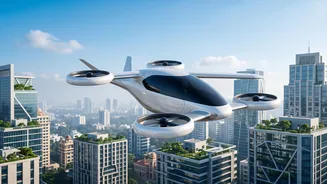
First, let's break down the jargon. The vehicles we're talking about are called eVTOLs, which stands for electric Vertical Take-Off and Landing aircraft. Think of them as a hybrid between a drone and a small airplane, designed for city travel. They take
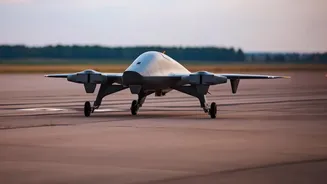
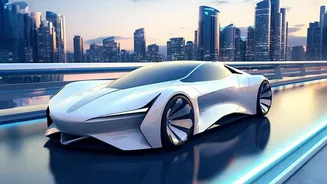
off and land straight up and down like a helicopter, meaning they don't need a runway. Instead of one large, noisy rotor, they use multiple smaller, electric-powered ones. This makes them significantly quieter, safer, and more environmentally friendly than traditional helicopters. The models planned for India, like Archer Aviation's 'Midnight' aircraft, are designed to carry four passengers and a pilot. With a range of up to 160 km and fast charging times, they are built for quick, back-to-back flights across congested urban areas.
The Plan for Indian Skies
This isn't just a hypothetical concept; major players are making concrete plans. InterGlobe Enterprises, the parent company of IndiGo, has partnered with US-based Archer Aviation to bring an all-electric air taxi service to India. The ambitious plan involves launching with a fleet of 200 Archer Midnight aircraft as early as 2026, subject to regulatory approvals. The initial focus will be on three of India's most congested cities: Delhi, Mumbai, and Bengaluru. The goal is to provide a revolutionary transportation solution that is not only fast but also sustainable and eventually, cost-competitive with ground transport. While InterGlobe is a major player, other companies like Bengaluru-based Sarla Aviation are also developing indigenous eVTOLs, indicating a growing ecosystem for urban air mobility in the country.
A 7-Minute Ride to Gurugram?
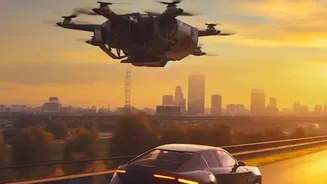
For anyone who has endured the peak-hour crawl from Delhi to Gurugram, this is the headline promise: a 7-minute flight. The proposed route between Connaught Place and Gurugram's Cyber City covers a distance that typically takes 60 to 90 minutes by car. An eVTOL would cover the 27-km journey in a fraction of that time. The initial cost for this premium service is expected to be between ₹2,000 and ₹3,000 per passenger. While that's more expensive than a road taxi (which might cost around ₹1,500), the time saved is immense. The vision extends beyond just this one route, with other potential corridors including links to Noida International Airport, which could be reached in under 20 minutes from central Delhi.
Reality Check: Hurdles on the Horizon
While a 7-minute commute sounds incredible, making it a reality involves overcoming significant challenges. The most critical is regulation. India's Directorate General of Civil Aviation (DGCA) is currently developing the framework for certifying these new aircraft and managing their flight paths over dense cities. Guidelines for vertiports—the mini-airports where eVTOLs will land—have been issued, but building this infrastructure is a massive task. Finding space for vertiports in crowded cities is difficult, with rooftop locations on commercial buildings and hospitals being considered to save cost and space. Then there are technological and practical concerns: ensuring battery reliability, managing operations during Delhi's harsh weather conditions like monsoons and fog, and ensuring public trust in the safety of this new mode of transport.