



The Nutritional Power of Ragi
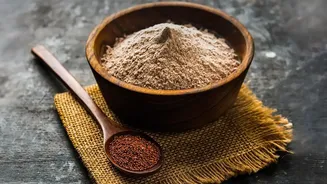
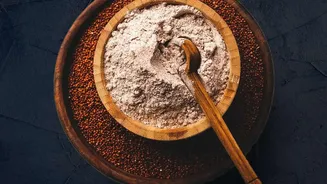
Ragi, or finger millet, is often called a superfood, and for good reason. This humble grain is a nutritional powerhouse, making it an excellent addition to any diet. It's one of the best plant-based sources of calcium, crucial for strong bones and teeth.
Beyond calcium, ragi is rich in iron, protein, and dietary fibre. The high fibre content aids digestion and promotes a feeling of fullness, which can help with weight management. For those with celiac disease or gluten sensitivity, ragi is a safe and wholesome choice as it is naturally gluten-free. Its complex carbohydrates have a low glycaemic index, making it beneficial for managing blood sugar levels.
Ingredients for the Perfect Crepe Batter
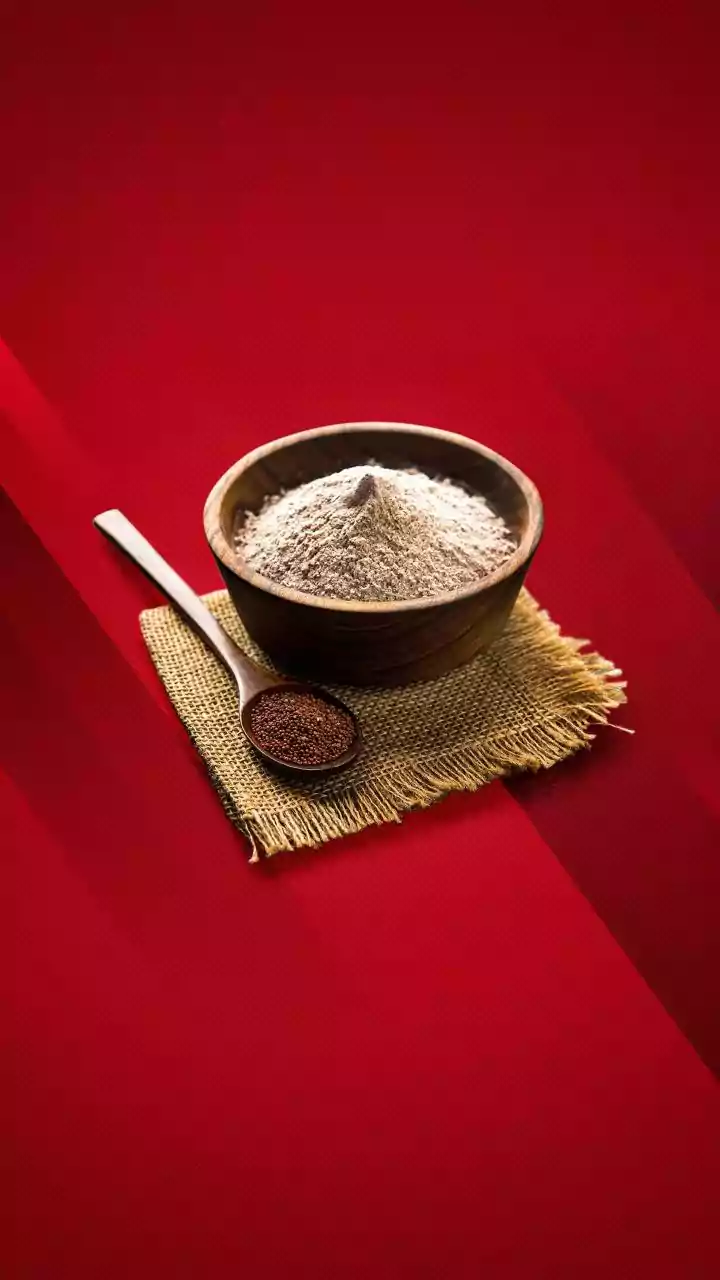
This recipe focuses on an instant batter that doesn't require the lengthy fermentation of traditional dosas, making it perfect for a quick and satisfying meal. To create these savoury crepes, you will need the following: 1 cup of ragi flour (finger millet flour), ½ cup of rice flour for structure, ¼ cup of fine semolina (rava) for crispiness, 1 finely chopped medium onion, 1-2 finely chopped green chillies (adjust to your spice preference), 1 teaspoon of cumin seeds, a handful of finely chopped coriander leaves, a few curry leaves (optional), salt to taste, and approximately 3 to 4 cups of water. You will also need oil or ghee for cooking.
Step-by-Step: Crafting the Batter
Creating the perfect ragi crepe batter is all about achieving the right consistency. In a large mixing bowl, combine the ragi flour, rice flour, and semolina. Add the salt and cumin seeds and give it a good mix. Slowly begin to add water while continuously stirring or whisking to prevent any lumps from forming. Continue adding water until you have a thin, pourable batter, much runnier than a typical pancake or dosa batter; it should have a consistency similar to thin buttermilk or milk. Once the batter is smooth, stir in the finely chopped onion, green chillies, and coriander leaves. Let the batter rest for at least 15 to 30 minutes. This allows the semolina to absorb water and swell, which is key to achieving a crispy texture.
Cooking Your Savoury Crepes to Perfection
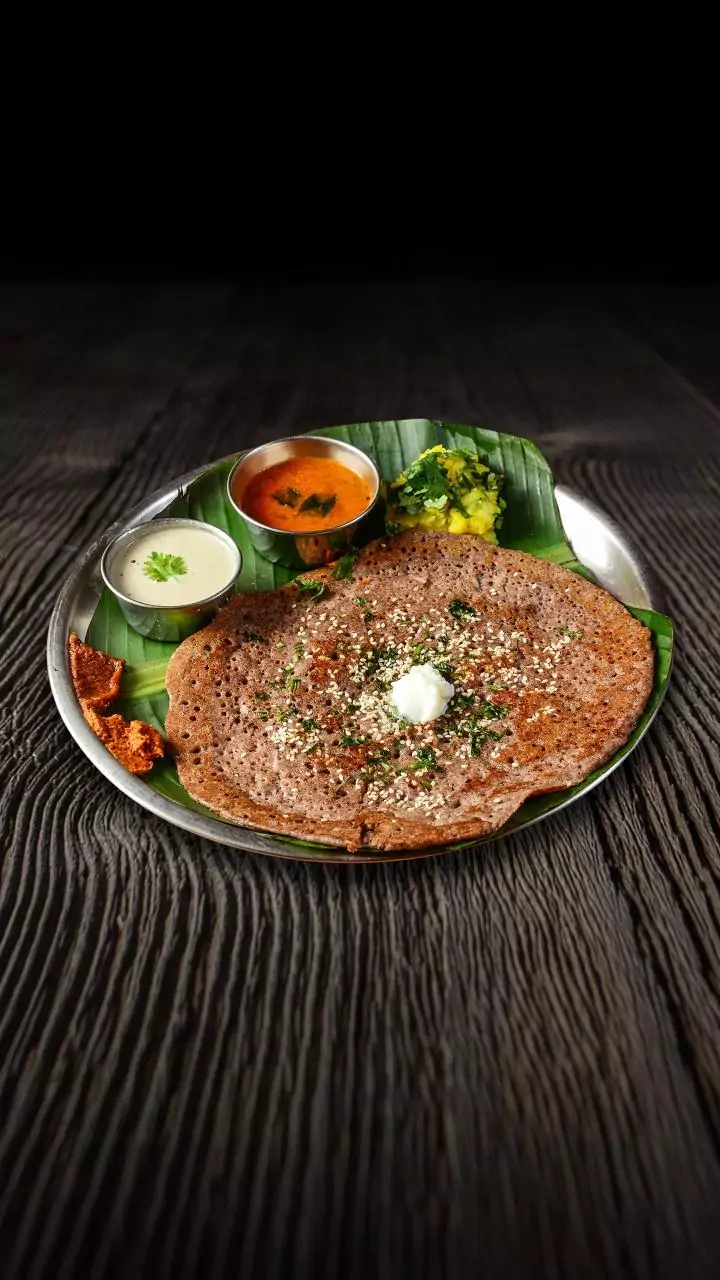
The secret to a crispy ragi crepe lies in the heat of the pan and the pouring technique. Heat a non-stick or well-seasoned cast-iron tawa over medium-high heat. To check if it's hot enough, sprinkle a few drops of water; they should sizzle and evaporate almost instantly. Before making your first crepe, you can grease the pan lightly with oil. Because the batter is thin, you don't spread it like a regular dosa. Instead, give the batter a good stir, as the flours can settle at the bottom. Pour a ladleful of the batter from a bit of a height onto the hot pan, starting from the edges and moving towards the centre to create a lacy pattern. Fill in any very large gaps, but don't try to make it a solid circle. Drizzle a teaspoon of oil or ghee around the edges and on top of the crepe. Cook on medium heat for 3-4 minutes, or until the edges become golden brown and start to lift from the pan. These crepes are thin enough that they don't need to be flipped. Once crispy, gently fold it and serve immediately.
Serving Suggestions and Filling Ideas
These savoury ragi crepes are wonderfully versatile. They are delicious on their own or can be served with a variety of accompaniments. Traditional partners include coconut chutney, tomato chutney, or a flavourful sambar. For a more filling meal, you can stuff the crepes with fillings like the classic spiced potato masala used for dosas, a scramble of paneer, or a mix of sautéed vegetables. The nutty flavour of ragi pairs well with a wide range of ingredients, from earthy mushrooms to spicy chickpeas, allowing you to get creative in the kitchen.