



Peru is a land of ancient wonders and breathtaking landscapes. But what happens when a bucket-list destination becomes a victim of its own fame? Overtourism is impacting the visitor experience at its most iconic sites.
The Machu Picchu Paradox
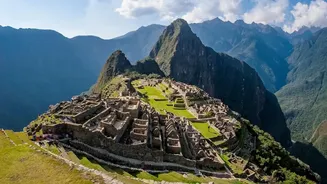
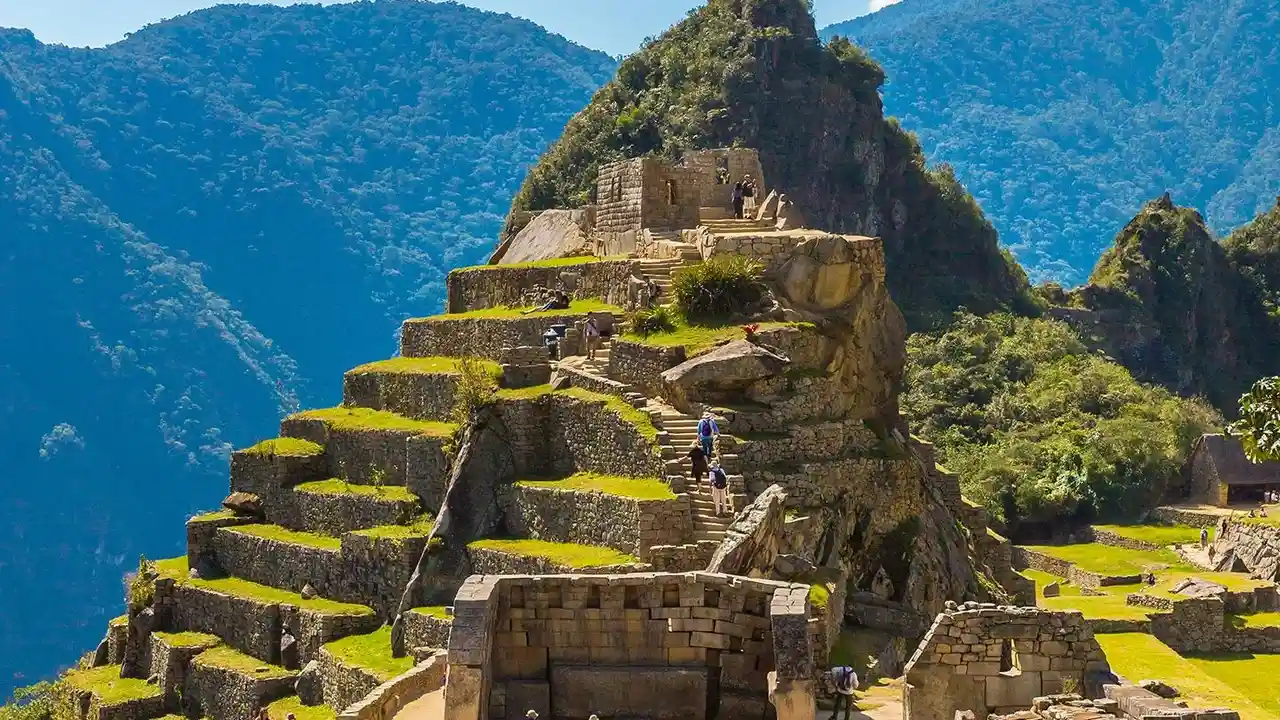
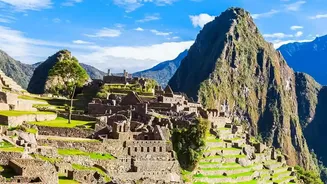
No site is more synonymous with Peru
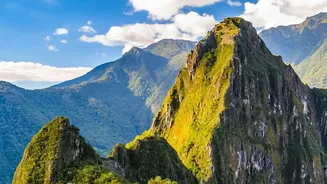
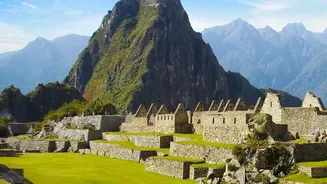
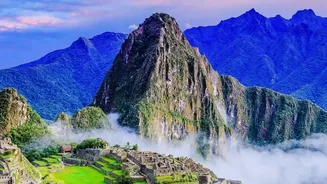
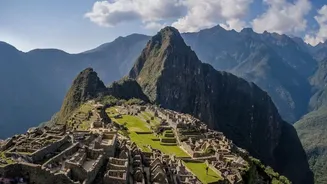
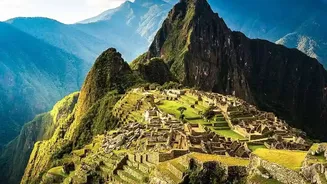
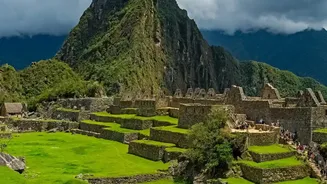
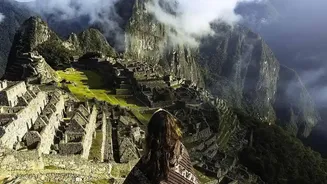
than Machu Picchu. It is a true marvel, a 15th-century Inca citadel perched dramatically in the Andes. Yet, its fame is also its biggest problem. Daily visitor numbers are capped, but thousands still flock to the site, creating queues and a rushed atmosphere that can detract from the magic. Timed tickets and strict circuits, designed to protect the ruins from degradation, can make a visit feel less like exploration and more like being herded through a theme park. The experience has been described as an 'archaeological Disneyland' due to the crowds. While essential for preservation, these measures highlight the central issue: the 'lost city' is now anything but.
Alternative: The Lost City of Choquequirao
For a truly adventurous and crowd-free alternative, look to Choquequirao. Often called Machu Picchu's 'sister city', this sprawling Inca complex is just as grand but receives only a tiny fraction of the visitors. Why the solitude? Access. Reaching Choquequirao requires a challenging multi-day trek into the Apurímac Canyon, a journey that weeds out casual tourists. The reward is unparalleled: the freedom to explore vast terraces, plazas, and temples in near-total isolation. Only about 30-40% of the site has been excavated, meaning you are wandering through a piece of history that is still revealing its secrets. It's the adventure Machu Picchu used to be.
The Instagram-vs-Reality Mountain
Vinicunca, or the 'Rainbow Mountain', exploded onto the tourist scene around 2015 after its colorful stripes were revealed by melting snow and ice, a likely consequence of global warming. It quickly became an Instagram sensation. However, the reality of the visit involves a pre-dawn departure from Cusco, a grueling high-altitude hike, and jostling for a photo with hundreds, sometimes thousands, of other tourists. The massive foot traffic has led to significant environmental concerns, including severe trail erosion and damage to the fragile alpine ecosystem.
Alternative: The Serene Palccoyo Rainbow Mountains
A short distance away lies the Palccoyo Rainbow Mountain range, a far more relaxed and arguably more rewarding alternative. Instead of one crowded peak, Palccoyo offers views of three distinct rainbow mountains. The hike is significantly easier—a gentle, relatively flat walk of about 45 minutes, compared to the strenuous multi-hour trek at Vinicunca. This makes it accessible for families and those not acclimatized to intense high altitude exertion. You'll get the same stunning geological color palette and even a 'stone forest' to explore, all without the overwhelming crowds.
The Floating 'Cultural' Performance
The Uros Floating Islands on Lake Titicaca are another major draw. Made entirely of totora reeds, these manmade islands are home to the Uros people. However, many visitors report that the experience on the islands closest to the port of Puno feels commercialized and inauthentic. Tours can feel like a staged performance for tourists, with a heavy emphasis on buying souvenirs rather than genuine cultural exchange. While the ingenuity of the islands is undeniable, the encounter can leave some travelers feeling like they've visited a cultural exhibit rather than a living community.
Alternative: An Authentic Titicaca Homestay
For a deeper, more meaningful connection with the culture of Lake Titicaca, consider skipping the main Uros tour and opting for an overnight homestay on the islands of Amantaní or Taquile. On these islands, you can stay with local families, share meals, and learn about their traditional way of life, including their renowned textile artistry, in a respectful and authentic setting. The experience is less about a quick photo op and more about genuine human connection and understanding a culture that has thrived on the world’s highest navigable lake for centuries. This offers a more sustainable form of tourism that directly benefits the host families.