





The Arid Heart of the Dang
The Dang region of eastern Rajasthan, encompassing parts of Karauli, Dholpur, and Sawai Madhopur districts, is a land of stark contrasts. Characterised by its rugged, ravine-filled terrain, this area is a part of the Vindhyan Plateau, marked by broken
grounds and arid conditions. Despite its harsh appearance and resource deprivation, the Dang forest is a unique ecosystem with a surprisingly rich biodiversity. It is within these challenging landscapes that one of nature’s most resilient providers thrives: the wild beri. For the local communities, particularly tribal groups who have inhabited these lands for generations, the forest is not a wild, untamed space but a source of life and livelihood.
More Than Just a Berry
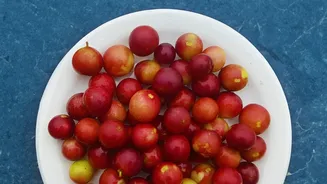
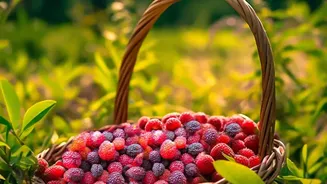
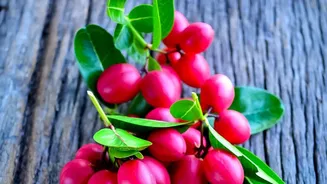
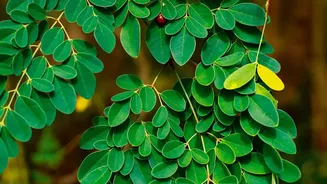
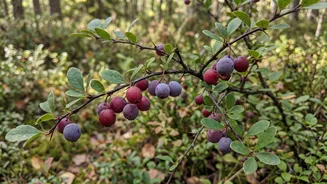
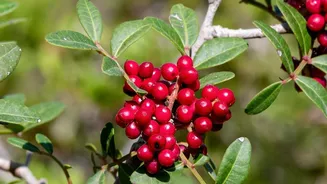
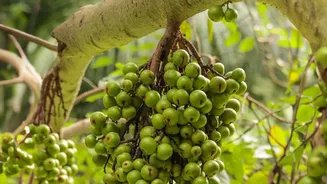
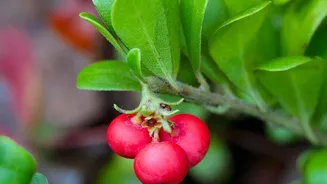
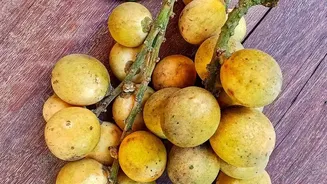
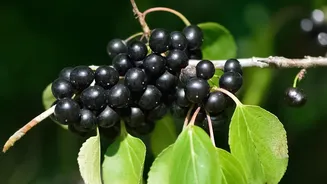
The 'beri' in question is the wild jujube, known botanically as Ziziphus mauritiana or Ziziphus nummularia. Often called the 'desert apple', this hardy, drought-resistant shrub produces small, tangy-sweet fruits that are a powerhouse of nutrition, rich in vitamins A and C. The berries are consumed in numerous ways. Eaten fresh off the branch, they provide a burst of refreshment. They are also dried and preserved, sometimes ground into a powder known as 'churan' for use in culinary preparations and traditional remedies. Beyond the fruit, other parts of the plant, from its leaves to its wood, have applications in local life, making it an indispensable resource. This versatility is central to its importance; it is a food, a medicine, and a commodity all in one.
A Seasonal Economic Lifeline
Non-Timber Forest Products (NTFPs) are critical for the economies of forest-dependent communities across India, and the wild beri of Karauli is a prime example. For millions of rural households, these products provide a significant portion of their annual income. The collection of beri is a seasonal activity that provides a crucial economic buffer, especially for families engaged in subsistence agriculture, which is often precarious in this arid region. The harvest is predominantly carried out by women, who possess the intricate knowledge of when and how to collect the berries without damaging the plants. The income generated from selling the fresh or dried berries in local markets, though often modest, is vital for purchasing household necessities, paying for children’s education, and navigating financial emergencies. It represents a form of self-reliance rooted in the natural abundance of their environment.
Generations of Traditional Knowledge
The story of the beri is also a story of cultural preservation. The sustainable harvesting of this wild produce is guided by a deep well of traditional ecological knowledge passed down through generations. Local communities understand the plant's life cycle, the signs of peak ripeness, and the importance of leaving enough fruit for regeneration and for wildlife. This knowledge is not formally documented but lives in the collective memory and daily practices of the people. The act of harvesting is often a communal one, reinforcing social bonds. This intimate relationship with the forest and its resources is a core part of the local identity, a tangible link to their heritage in a rapidly modernising world.
The Future of the Forest's Bounty
Despite its resilience, this traditional way of life faces modern challenges. The yield of wild berries can be affected by erratic weather patterns and the broader impacts of climate change. Over-exploitation is a constant risk if demand outstrips sustainable harvesting practices. Furthermore, local harvesters often lack direct access to larger markets, leaving them with low bargaining power and prices that do not reflect the true value of their produce or labour. Ensuring the future of this local story requires a concerted effort. This includes promoting conservation of the Dang ecosystem, empowering local communities with better market linkages, and formally recognising and valuing their role as custodians of this unique biodiversity.