





Choose Your Drying Zone Wisely
The first step is to designate a specific area for drying clothes. Don't just hang them wherever there's space. An ideal spot is a room with good ventilation, like a covered balcony or a spare room where you can keep a window slightly ajar. Avoid drying clothes in bathrooms
or kitchens, as these areas already have high moisture levels and can slow down the drying process significantly. Creating a dedicated 'dry room' helps contain the moisture released from wet clothes and prevents the damp feeling from spreading throughout your home. Consider a spot where you can set up a drying rack without it being in the way of daily activities.
Invest in the Right Equipment
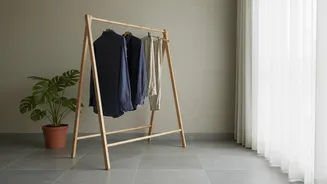
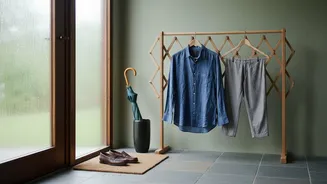
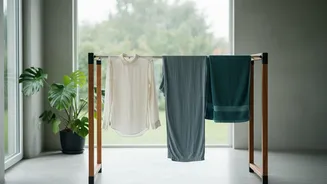
Your choice of drying rack makes a huge difference. Standard foldable racks are popular, but consider tiered or expandable models to maximise vertical space, especially in smaller apartments. Wall-mounted and retractable clotheslines are excellent space-savers, folding away when not in use. For heavy items like hoodies or sweaters, a flat mesh drying rack prevents them from stretching and losing their shape while hanging. Using hangers for shirts and kurtas allows for better air circulation around the entire garment, speeding up drying time. The goal is to give each item enough space, so avoid cramming clothes together on the rack.
Master the Art of Airflow
Air circulation is your most powerful ally against dampness. When clothes are hung, they release moisture into the air, creating a humid pocket around them. Moving air helps whisk this moisture away. Position a fan—whether a ceiling fan, oscillating table fan, or box fan—to blow horizontally across the clothes. This constant airflow significantly accelerates evaporation. Even on rainy days, keeping a window slightly open, paired with a running fan, creates cross-ventilation that pushes moist air out. Running an exhaust fan in a nearby kitchen or bathroom can also help pull damp air out of your home.
Prep Your Laundry Correctly
Drying starts in the washing machine. Use the highest spin cycle your fabrics can handle to remove as much excess water as possible. An extra spin cycle can make a noticeable difference, leaving clothes significantly drier and reducing the time they need to hang. Before hanging, give each item a good shake to open up the fibres, which can improve airflow and speed up drying. Also, consider washing smaller loads more frequently instead of one large load. Overloading the machine prevents clothes from rinsing and spinning properly, leaving them damper.
When You Need Extra Help
In regions with very high humidity, a dehumidifier is a game-changer. It actively pulls moisture from the air, creating a drier environment that allows clothes to dry much faster. Placing a dehumidifier in your drying zone can reduce drying time from days to hours. Using a fan in combination with a dehumidifier is even more effective, as the fan circulates air while the dehumidifier removes the moisture. For clothes that are almost dry but have stubborn damp spots like collars or waistbands, a quick pass with a hot iron can eliminate the last bits of moisture and kill odour-causing bacteria.
Banish the Musty Monsoon Smell
That unpleasant musty smell is caused by bacteria and mildew thriving on damp fabric. To prevent it, ensure clothes are completely dry before storing them. If the smell has already set in, rewashing with a splash of white vinegar or a bit of baking soda in the rinse cycle can neutralize odours. To keep your wardrobe fresh, place moisture absorbers like silica gel packets, camphor, or bowls of rock salt inside. These will absorb excess humidity within the closed space, preventing stored clothes from picking up a damp scent.