

Master the Art of Layering
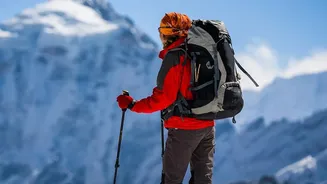
The single most important skill for staying warm is layering your clothes correctly. Instead of one heavy jacket, think in threes. Your first layer, the base layer, should be a moisture-wicking thermal made of synthetic material or merino wool. Its job
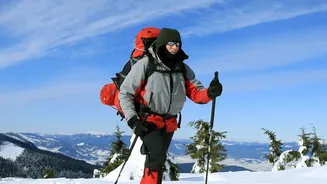
is to pull sweat away from your skin, because moisture is what makes you feel cold. Avoid cotton at all costs, as it traps sweat and chills your body. Your second layer is for insulation. This is typically a fleece jacket or a light down jacket that traps your body heat. The final outer layer is your shield against the elements—a waterproof and windproof jacket and pants that protect you from snow and biting winds. This system allows you to add or remove layers to perfectly regulate your temperature as you hike.
Protect Your Extremities
Your hands, feet, and head are where you lose heat the fastest, so they need special attention. For your feet, invest in good quality waterproof trekking boots and wear them for a few weeks before your trek to break them in. Pack at least two to three pairs of woollen socks. A pro-tip is to carry waterproof socks for trekking in deep snow, keeping your feet dry even if your boots get damp. For your hands, a two-glove system works best: a thin pair of inner fleece gloves and a thicker, insulated waterproof outer pair. Lastly, a warm woollen cap or beanie that covers your ears is non-negotiable, and a balaclava or neck gaiter offers crucial protection for your face and neck against harsh winds.
Acclimatize Patiently
High altitude introduces the risk of Acute Mountain Sickness (AMS), which occurs when your body doesn't have time to adjust to lower oxygen levels. The golden rule is to 'climb high, sleep low'. This means you can hike to a higher point during the day but should return to a lower altitude to sleep. Trekking operators often build 'acclimatization days' into itineraries, which are crucial for your body to adapt. Don't rush your ascent, and listen to your body. If you experience symptoms like persistent headaches, nausea, or unusual shortness of breath, inform your guide immediately. Staying well-hydrated by drinking plenty of water is one of the best ways to help your body acclimatize and reduce the risk of AMS.
Fuel Your Body Correctly
Your body burns more calories at high altitudes and in cold weather just to stay warm. It's easy to drink less water in the cold because you may not feel as thirsty, but dehydration can accelerate fatigue and increase your risk of altitude sickness. Carry an insulated water bottle or thermos to prevent your water from freezing and to enjoy warm liquids on the trail. Keep energy-rich snacks like nuts, dried fruits, and chocolate easily accessible. Eating regular, small meals helps maintain your energy levels throughout the day. Also, avoid alcohol, as it can interfere with acclimatization and dehydrate you further.
Essential Gear Beyond Clothing
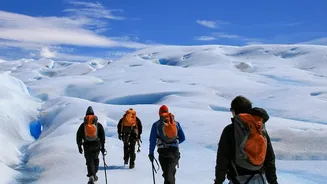
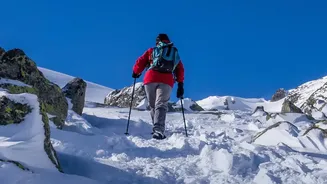
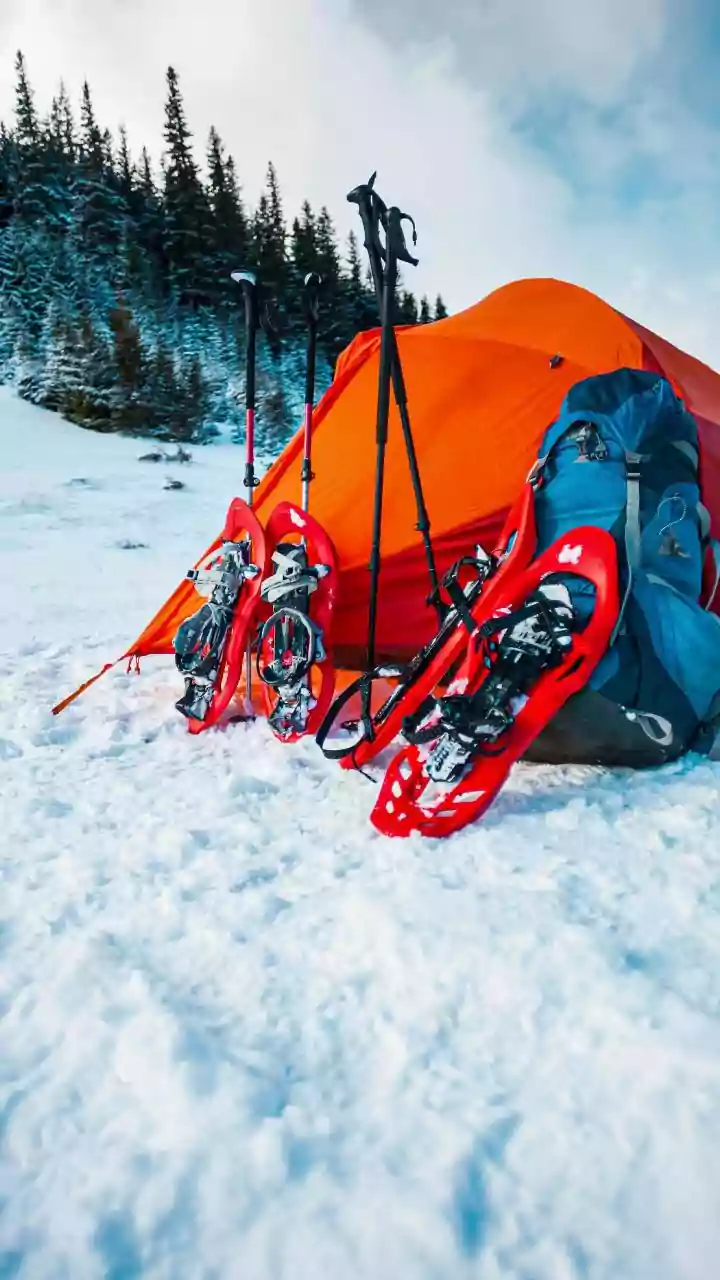
Beyond your layered clothing, a few key pieces of gear are essential for safety and comfort. A sturdy pair of trekking poles provides stability on slippery or uneven terrain, saving your knees on descents. For icy patches, microspikes or crampons that attach to your boots are a must-have for grip. Since winter days are shorter, a headlamp or torch is critical for navigating in the early morning or evening. Finally, protect your eyes. The reflection of sunlight off snow can cause a painful condition called snow blindness. A good pair of UV-protection sunglasses is non-negotiable.
Prioritize Safety Always
For a beginner, especially in winter, trekking with a certified guide or a reputable organization is the safest choice. They manage logistics, know the terrain, and are trained to handle emergencies. Before you go, check the difficulty level and ensure it matches your fitness. Choosing a trek that is too ambitious is a common beginner mistake. Always carry a basic first-aid kit with medications for pain relief, blisters, and any personal prescriptions. Let your guide know about any pre-existing health conditions, and ensure you have adequate travel insurance that covers high-altitude trekking.