




The Feed That Once Was
It wasn’t long ago that the LinkedIn feed was a straightforward, almost predictable, place. It was the digital equivalent of a chamber of commerce mixer: populated with job announcements, promotions, company news, and insightful industry articles. Professionals
used it as a reliable tool to keep a pulse on their industry, celebrate colleagues' successes, and discover genuine opportunities. The content was, for the most part, directly related to the world of work. This focus was its core strength, distinguishing it from the personal, chaotic nature of other social media platforms. Users knew what to expect, and the platform delivered a curated, professional experience.
The Shift to Personal and 'Cringe' Content
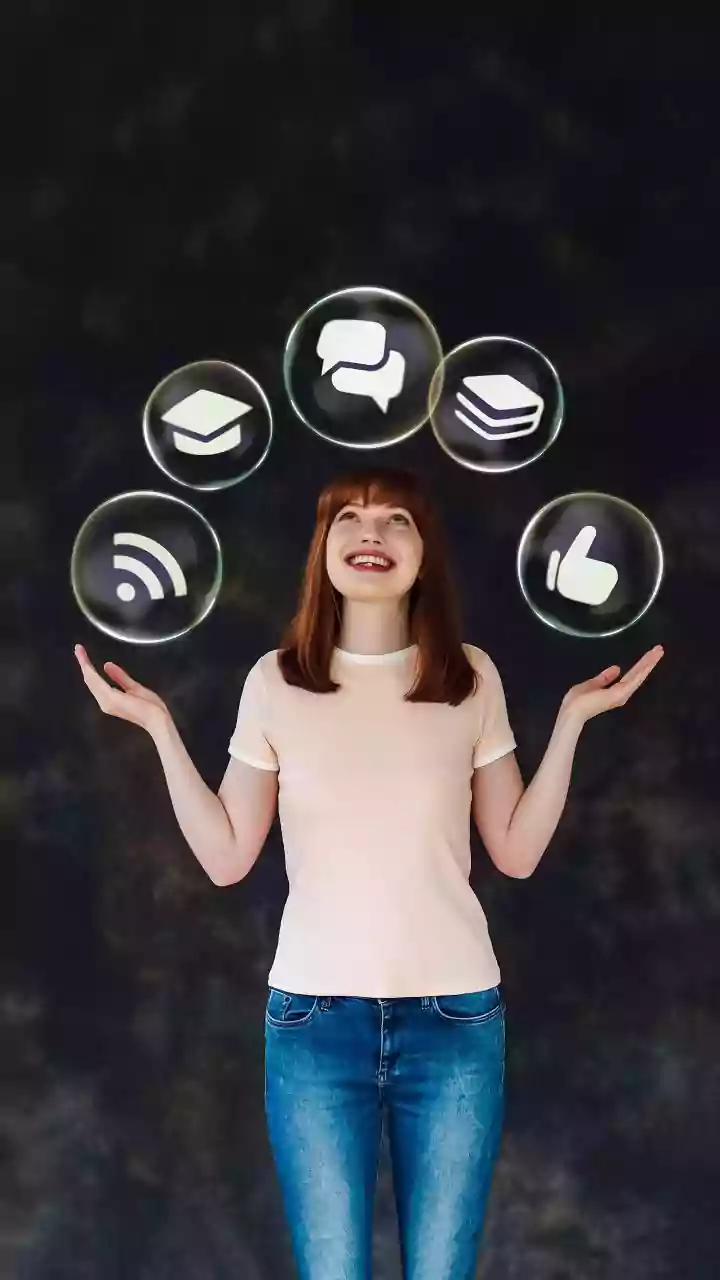
Today, that clear professional focus feels diluted. Many user feeds are now a jumble of viral selfies, personal anecdotes about overcoming adversity, political commentary, and motivational quotes that feel more at home on Facebook or Instagram. This phenomenon, often dubbed 'cringe' content, includes everything from stories about what a five-year-old taught someone about leadership to emotional tales of personal struggle positioned as business lessons. While authenticity has its place, many professionals report that the sheer volume of this hyper-personal, often engagement-driven content is drowning out the professional updates they joined the platform for. The signal-to-noise ratio seems to have shifted dramatically, making it a chore to find genuinely useful information.
The 'Why' Behind the Change
This transformation is not accidental; it is a direct result of changes in how LinkedIn’s algorithm works. Like other social media giants, LinkedIn's business model relies on keeping users engaged on the platform for as long as possible. Emotional, surprising, or controversial content tends to generate more likes, comments, and shares than a standard corporate announcement. In early 2026, LinkedIn rolled out significant changes to its algorithm, replacing older systems with a unified AI-powered model. This new system prioritizes content based on what it predicts will capture 'sustained professional attention' rather than just showing you posts from your direct connections. It also now evaluates the author's expertise based on their profile, rewarding niche authority. This has incentivized a style of posting aimed at capturing broader attention, sometimes at the expense of professional substance.
The User Frustration Is Real
The result is a growing sense of frustration among longtime users. Many feel the platform has become a performance, where crafting the perfect personal story gets more visibility than sharing valuable expertise. Reports from late 2026 show that while overall reach for many posts has dropped, the algorithm more aggressively pushes content from outside a user's direct network if it aligns with their perceived interests. This can lead to a feed full of posts from strangers that the algorithm thinks you'll find engaging, rather than updates from the people you deliberately connected with. For those trying to use the platform for its original purpose—networking—this makes building and maintaining professional relationships more difficult.
Is Networking on LinkedIn Over?
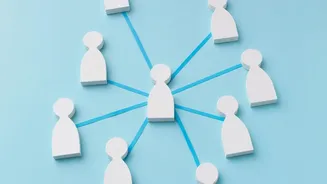
So, is it time to abandon LinkedIn for networking? Not necessarily. While the main feed has become a less reliable tool for focused professional development, the platform's core networking features remain powerful. Tools like direct messaging, LinkedIn Groups, and the ability to search for people by company, role, or school are as valuable as ever. Effective networking in 2026 simply requires a more proactive and less passive approach. Instead of aimlessly scrolling the feed, users may find more success by directly engaging with the profiles of people and companies they want to connect with, participating in niche groups, and using the platform as a targeted search tool rather than a content consumption device.