





The Science of a Dry Towel
Drying is about more than just heat; it's about evaporation, and evaporation requires airflow. When a towel is bunched up on a hook or folded over on itself on a bar, its surfaces are pressed together, trapping moisture. Air can't circulate freely through
the fibres, creating humid pockets that dramatically slow down the drying process. For a towel to dry efficiently, as much of its surface area as possible needs to be exposed to the air. This allows moisture to move away from the fabric, leaving it dry, fresh, and ready for its next use.
The Unseen Problem with Dampness
A towel that remains damp for too long becomes a perfect breeding ground for mildew and bacteria. These microorganisms thrive in warm, moist environments, and a crumpled towel provides the ideal home. This is what causes that unpleasant, sour, musty smell that just won't seem to wash out. Beyond the smell, this microbial growth can be a hygiene concern. Each time you use a towel, you transfer dead skin cells and natural oils to it. When left to fester in a damp environment, this can lead to the proliferation of bacteria like E. coli or staphylococcus, which can irritate skin or even cause infections.
Best Practices for Hanging
To maximize airflow, the best method is to hang your towel spread out on a towel bar, ensuring it doesn't fold over on itself. This exposes the maximum surface area to the air. If you only have hooks, try to use one towel per hook and avoid letting it bunch up. While hooks are convenient, they are less effective for quick drying compared to bars because they create more overlapping fabric. Some experts even recommend rotating between two towels, allowing each one to dry completely for a full day before its next use. This simple rotation can significantly reduce the chances of mildew growth.
Solutions for Small Spaces
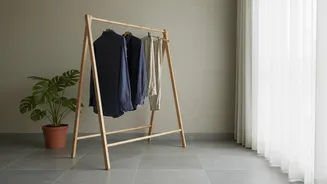
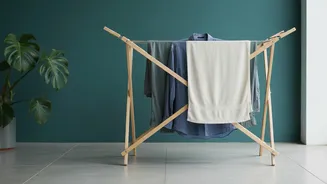
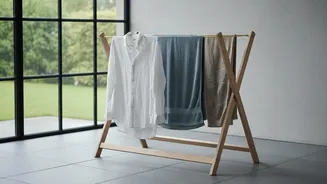
Not every bathroom has the luxury of a long towel bar. If you're working with a small space, there are several creative solutions. Over-the-door racks can provide multiple bars for hanging towels without taking up wall space. Similarly, freestanding or ladder-style towel racks offer vertical storage and can be a stylish addition to a bathroom. If you have a shower curtain rod, you can drape the towel over it to dry. For those in extremely humid climates, using an exhaust fan for about 30 minutes after a shower or even placing a small, portable fan in the bathroom can dramatically improve air circulation and speed up drying times.
Keeping Towels Fresh Beyond the Hang
Proper hanging is the most important daily step, but washing frequency also matters. As a general rule, bath towels should be washed after every three to five uses to remove the buildup of skin cells, oils, and bacteria. Hand towels, which are often used more frequently and by multiple people, should be changed every one or two days. When you do wash them, use hot water if the fabric allows, as it is most effective at killing microbes. If a musty smell has already set in, washing with a cup of vinegar (and no detergent), followed by a second cycle with half a cup of baking soda, can help eliminate the odor-causing bacteria.