


Forget the 'Perfect' Yoga Pose
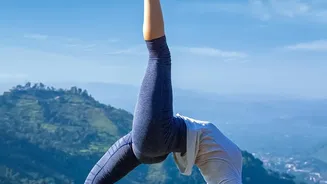
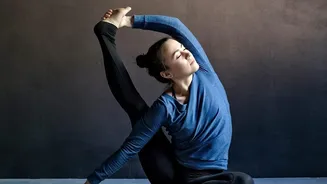
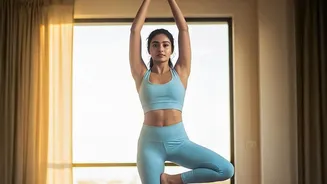
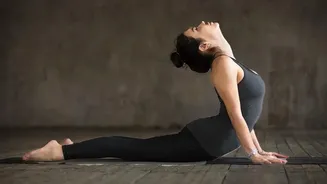
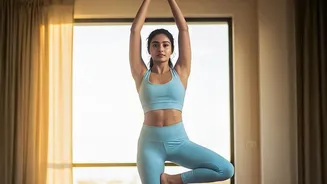
First, let's clear up a common myth. You do not need to be flexible to start practising yoga; yoga is the tool you use to become flexible. Many beginners are intimidated by images of complex poses, believing they are not 'good enough' to start. The reality
is that yoga meets you exactly where you are. The journey to flexibility is not about forcing your body into a pretzel on day one. It's about gentle, mindful movement that communicates with your body. Simple stretches and foundational poses are designed to gradually open up your muscles and joints, making them perfect for those just starting out.
How Consistency Rewires Your Body
The secret to lasting flexibility lies in consistency, not intensity. A short, daily practice is far more effective than one long, intense session per week. When you stretch consistently, you are essentially training your nervous system. Initially, your muscles have a protective 'stretch reflex' that causes them to contract if you push too far, too fast. Daily practice teaches your nervous system that a greater range of motion is safe, allowing your muscles to relax and lengthen over time. This regular movement also improves the hydration of your connective tissues, or fascia, making everything move more smoothly. Think of it as slowly convincing your body to embrace a new, more open posture, reducing the risk of injury and general aches.
Simple Movements, Significant Impact
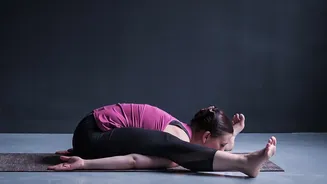
You don't need a complicated routine to see results. A few simple, foundational yoga poses done daily can dramatically improve your flexibility. Poses like Cat-Cow (Marjaryasana-Bitilasana) are excellent for warming up the spine and are recommended as a first-line approach for mobility. Downward-Facing Dog (Adho Mukha Svanasana) lengthens the entire back of the body, from your calves to your shoulders. A gentle forward fold, even with bent knees, can begin to release tight hamstrings, a common issue for students who sit for long periods. The key is to move with your breath, which helps to release tension and allows for deeper, safer stretches. These movements increase blood flow, warm up the muscles, and can build surprising strength over time.
Building a Habit for a Busy Life
For a busy fresher, the idea of adding another thing to the to-do list can feel overwhelming. That’s why the focus should be on creating a small, sustainable habit. Aim for just 10 to 15 minutes a day. You could do it right after you wake up to energise your body, or just before bed to release the day's tension. Some find success by linking it to an existing habit, like practising a few stretches while waiting for water to boil. The goal is to make it a non-negotiable part of your day, like brushing your teeth. Documenting your journey, perhaps by noting how you feel or how a pose becomes easier, can also be a powerful motivator. Over time, this brief daily ritual becomes a cornerstone of your physical and mental well-being, enhancing focus and reducing stress.