


The Principles of Purity: Navratri Fasting
At the heart of Navratri observances for many is the practice of fasting, or 'vrat'. This is more than just abstaining from food; it's about consuming a 'sattvic' diet that is considered pure and light on the body. Generally, this means avoiding grains
like wheat and rice, lentils, onions, garlic, and regular table salt. Instead, the focus shifts to a specific pantry of ingredients. Flours made from buckwheat (kuttu), water chestnut (singhara), and amaranth (rajgira) become staples. Vegetables such as potatoes, sweet potatoes, pumpkin, and bottle gourd are widely used. For seasoning, only rock salt (sendha namak) is permitted, along with spices like cumin and black pepper. Dairy products, fruits, and nuts are also central, providing energy throughout the fast.
Northern Heartland: The Vrat Ki Thali
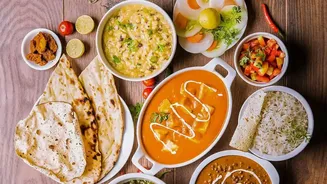
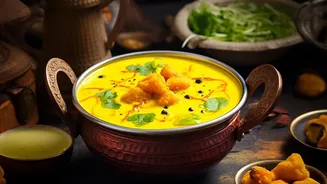
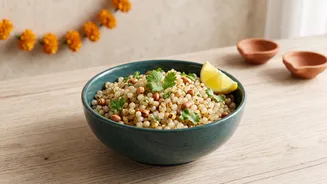
In North India, the Navratri fast is observed with dedication, leading to a creative array of dishes that are both delicious and compliant with vrat rules. The 'vrat ki thali' is a common sight, featuring an assortment of preparations. You'll find puris made from kuttu or singhara flour, often paired with a simple yet flavourful potato curry (aloo ki sabzi) made with a tomato base and seasoned with rock salt. Samak ke chawal, or barnyard millet, serves as a substitute for rice and is used to make khichdi or pulao. Another beloved dish is Sabudana Khichdi, where tapioca pearls are sautéed with potatoes, peanuts, and mild spices. Snacks like Kuttu ke Pakore (buckwheat fritters) and sweets like Makhana Kheer (fox nut pudding) complete the festive platter.
Western Flavours: Gujarat's Farali Feasts
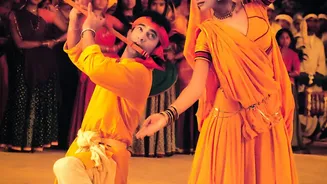
In Gujarat, Navratri is synonymous with Garba, and the food, known as 'farali', is designed to be light yet sustaining. The core ingredients are similar to those in the north, including amaranth (rajgira) and barnyard millet (moraiyo or samo). However, the dishes have a distinct Gujarati touch. You might find Farali Pattice, a crispy potato patty stuffed with a sweet and nutty filling of coconut and peanuts. Farali Dhokla, made from barnyard millet flour, is another popular snack. Sabudana Khichdi is also a staple here, often prepared with a generous amount of crushed peanuts. The cuisine balances sweet, savoury, and tangy notes, providing delicious fuel for nights of dancing.
Eastern Celebrations: Bengal's Durga Puja Bhog
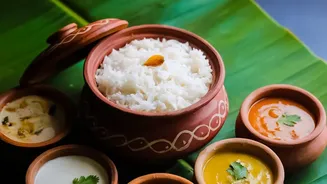
While fasting is prevalent across India, in West Bengal, the festival, celebrated as Durga Puja, is a time of grand feasting. The focus is on 'bhog' – food offered to the goddess and then distributed among devotees. Though prepared without onion or garlic, the bhog is a lavish affair. The quintessential dish is Bhoger Khichuri, a flavourful mix of rice and roasted moong dal, often accompanied by Labra, a mixed vegetable curry. Fried items like Begun Bhaja (fried brinjal) are common sides. While many devotees stick to this vegetarian fare, for others, Durga Puja is also a time to enjoy non-vegetarian delicacies, with fish and mutton making a frequent appearance on family tables from the sixth day onwards.
Southern Spectacle: The Golu and Sundal Tradition
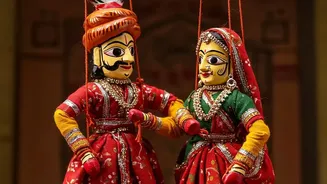
In South India, particularly Tamil Nadu, Navratri is celebrated with the display of Golu, an arrangement of dolls depicting deities and scenes from mythology. Here, the culinary star is Sundal, a simple and protein-rich dish made from different legumes or lentils. A different type of sundal is prepared each of the nine days as an offering (prasadam) and shared with guests who visit to see the Golu. Popular versions are made from chickpeas, black-eyed peas, green gram, and peanuts, tempered with mustard seeds, curry leaves, and fresh coconut. Alongside sundal, sweet dishes like Payasam (kheer) are also prepared, making it a celebration of simple, wholesome, and nutritious food.