




The Funnel Effect of Major Ports
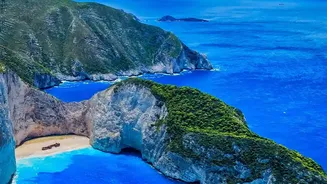
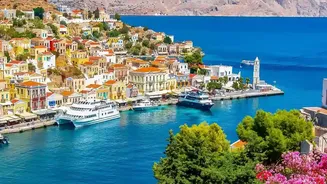
The most famous Greek islands—like Mykonos, Santorini, and parts of Crete—are equipped with large ports built to accommodate a constant stream of massive ferries and cruise ships. These vessels act as enormous tourist pipelines, channeling thousands of visitors
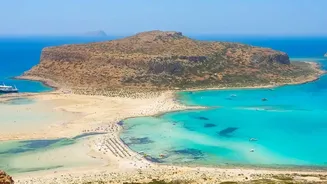
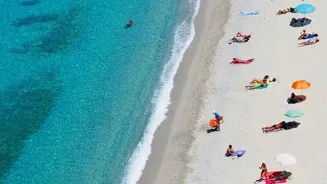
a day into concentrated areas. On peak days, Santorini has seen as many as 17,000 cruise passengers disembark, creating bottlenecks in towns and on nearby beaches. These visitors often arrive at once, spend a few hours ashore creating intense congestion, and contribute less to the local economy than those who stay overnight. This model ensures that any beach within easy reach of the main port becomes a hotspot of activity, losing the peaceful atmosphere many travelers seek.
The Airport Accessibility Trap
Islands with international airports function similarly to those with major ports. Direct flights from across Europe and beyond make places like Mykonos, Rhodes, and Corfu incredibly convenient destinations. However, this ease of access is precisely what erodes their tranquility. By contrast, reaching a smaller island like Amorgos, Folegandros, or Astypalaia often requires an extra step: a flight to Athens followed by a potentially lengthy ferry journey. This additional travel time acts as a natural filter. It deters tour groups and mass-market holidaymakers who prioritize convenience, preserving the island for those willing to make the extra effort for a more authentic and quiet experience.
The Geography of Seclusion
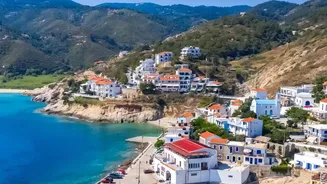
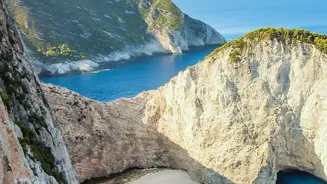
Many smaller islands owe their peace and quiet to their rugged geography. On islands like Folegandros, many of the most beautiful coves are only accessible via a hike down a steep path or by a small taxi boat from a larger beach. This inherent difficulty in access means you won't find organized rows of sunbeds or bustling beach bars. Instead, you'll find pristine pebble coves and crystal-clear water shared with only a handful of other people. Islands such as Amorgos are long and mountainous, with winding roads that make beach-hopping a more deliberate activity. This contrasts sharply with more developed islands where paved roads lead directly to large, sandy beaches packed with amenities and people.
A Focus on Sustainable, Slow Travel
A growing number of smaller islands are consciously opting for a different model of tourism. Instead of building larger ports and airports, islands like Tilos, Sikinos, and Donousa are embracing sustainability. Tilos, for example, is a leader in renewable energy, while Sikinos was the first Greek island to ban plastic straws. This mindset attracts a different kind of traveler—one who is more interested in nature, hiking, and quiet authenticity than in beach clubs and nightlife. This focus on low-impact tourism helps preserve the natural environment and ensures that the beaches remain uncrowded and unspoiled. The reward is a holiday that feels less like a transaction and more like a genuine connection to a place.