







The Monsoon's Vital Role
For much of India, the southwest monsoon is not just a weather event; it's the lifeblood of the economy. The June to September rains are crucial for the Kharif sowing season, which accounts for a significant portion of the country's annual food production.
Crops like rice, pulses, and oilseeds are heavily dependent on this rainfall. A healthy monsoon fills reservoirs, recharges groundwater, and ensures soil moisture, setting the stage for a bountiful harvest. When the rains are timely and well-distributed, agricultural output is strong, keeping food supply chains robust and prices stable. This direct link between rainfall and the farm means that any disruption to the monsoon pattern has a ripple effect that eventually reaches every Indian kitchen.
A Tepid Start to the Rains
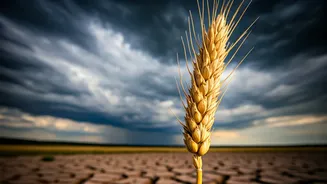
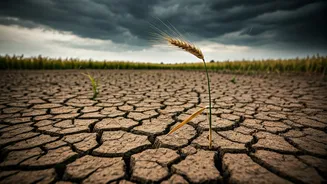
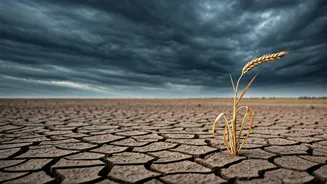
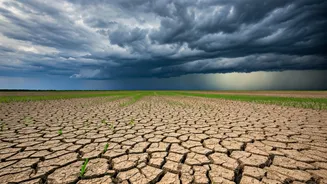
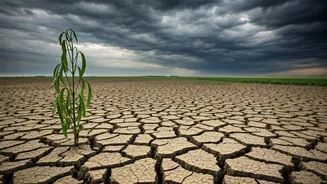
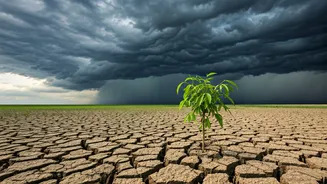
The 2026 monsoon season has begun on a weak note. After arriving in Kerala on June 4, its progress has been sluggish. As of late June, the country faced a significant rainfall deficit of over 40%, making it one of the driest Junes on record. The India Meteorological Department (IMD) has forecast a 'below normal' monsoon for the season, at around 90% of the long-period average, attributing some of the weakness to developing El Niño conditions. This widespread shortfall has affected most parts of the country, with central India being particularly hard-hit. The deficit has already delayed Kharif sowing, with the area planted for crops like pulses and cotton contracting significantly compared to last year.
The Price Spike at the Mandi
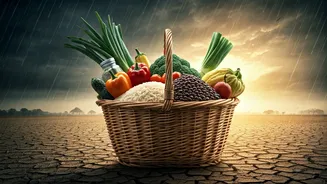
The impact is already visible in the rising cost of essentials. Even before the full effects of a weak monsoon are felt, food inflation has been a persistent issue. The Consumer Food Price Index (CFPI) rose to 4.78% in May 2026. Observers have noted that prices for key vegetables like tomatoes, potatoes, and onions have been climbing, a trend that began with severe summer heatwaves and is now being complicated by the poor rains. The delayed sowing of pulses has also put pressure on their prices. Economists and the Reserve Bank of India (RBI) have warned that a prolonged rainfall deficit will likely push food prices even higher in the coming months as supply tightens.
Beyond the Kitchen Budget
The consequences of a poor monsoon extend far beyond individual household budgets. For the broader economy, it presents a dual challenge: it can dampen rural demand and simultaneously fuel inflation. The RBI, in its June bulletin, flagged a weak monsoon as a key risk to India's growth and inflation outlook. Lower farm incomes reduce purchasing power in rural areas, which can slow down overall economic growth. At the same time, higher food inflation forces the central bank to maintain a cautious stance on interest rates, making it harder to stimulate the economy if needed. The RBI has projected an inflation rate of 5.1% for the financial year, but has acknowledged that an adverse monsoon could complicate these forecasts.
What to Watch for Next
The situation is critical but not yet irreversible. The performance of the monsoon in July and August will be the deciding factor. A strong revival of rainfall during this period could help recover some of the lost ground in sowing and mitigate the worst impacts on crop yields. Government agencies are on high alert, with sufficient reservoir levels from previous seasons providing a temporary buffer for irrigation in some areas. However, this cushion will not last if the dry spell continues. For now, policymakers and citizens alike will be anxiously watching the skies and the daily price lists, hoping for a much-needed revival of the seasonal rains to bring relief from the threat of spiraling food costs.