


A Modern Twist on Ancient Grains
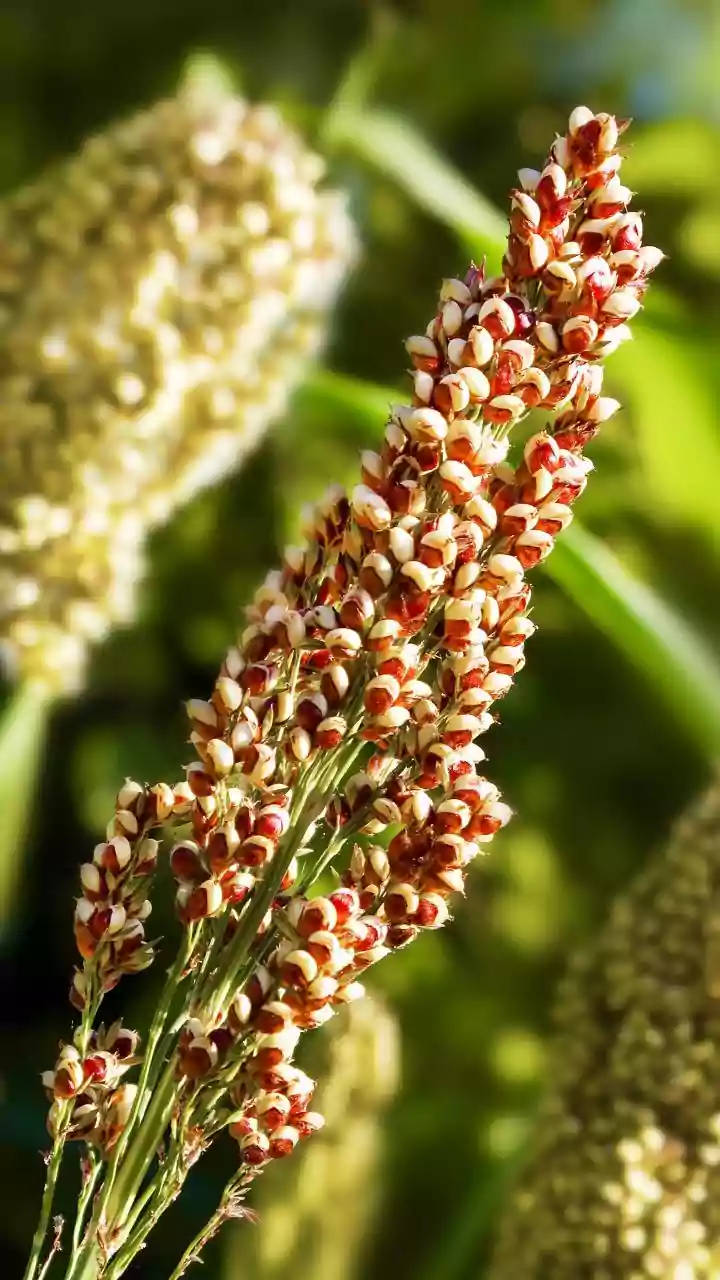
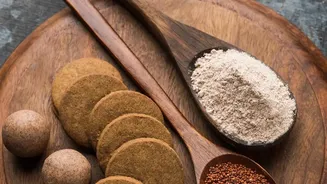
The movement towards mindful eating has inspired a culinary revolution. In kitchens and bakeries across India, chefs are looking back to ancient grains to create healthier versions of beloved classics. At the forefront of this trend are finger millet
(ragi) and sorghum (jowar), two powerhouse millets that have been staples in Indian homes for centuries. Traditionally used in rotis, porridges, and dosas, these grains are now finding their way into the world of gourmet desserts. This shift isn’t just about cutting calories; it's about enriching treats with nutrients, fibre, and a unique, earthy flavour that refined flour (maida) simply can't offer. The result is an indulgent dessert that you can feel good about eating.
The Nutritional Edge Over Refined Flour
So what makes ragi and jowar a superior choice for a health-conscious brownie lover? The benefits are significant. Both flours are naturally gluten-free, making them an excellent option for those with gluten sensitivities or celiac disease. Compared to refined wheat flour, which can cause blood sugar spikes, millets have a lower glycemic index, providing a more stable release of energy. Finger millet, or ragi, is a nutritional champion, packed with calcium, iron, and dietary fibre. This high fibre content aids digestion and promotes a feeling of fullness, helping to manage weight. Sorghum, or jowar, is also rich in dietary fibre and boasts a high concentration of antioxidants, which help protect the body's cells from damage. By using these flours, chefs are not just removing the 'bad' but actively adding 'good' to every bite.
But How Do They Taste?
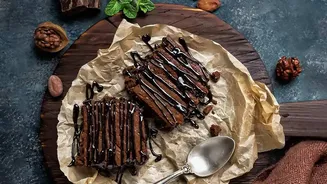
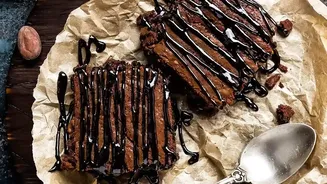
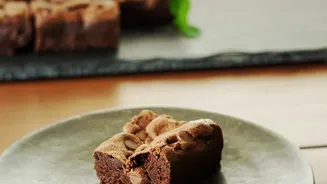
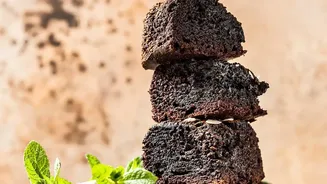
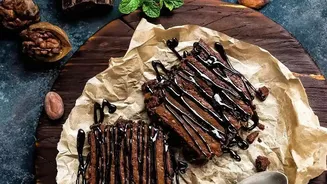
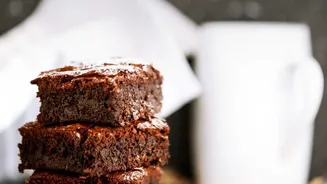
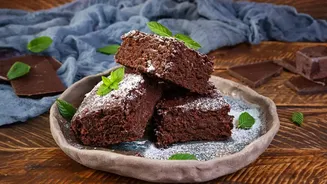
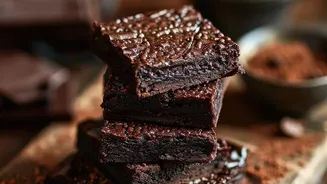
This is the million-rupee question for any dessert purist. Can a brownie made with millet flour truly satisfy a chocolate craving? The answer is a resounding yes, with a few delightful differences. Bakers and food bloggers note that millet brownies have a uniquely rich and complex flavour profile. Ragi, in particular, has a distinct earthy, almost chocolatey taste that beautifully complements the cocoa. The texture is often denser and fudgier than a cake-like brownie made with maida. Some describe it as slightly more crumbly, but incredibly moist. Chefs have perfected techniques to balance these characteristics, often combining both ragi and jowar flour to achieve the perfect consistency. The consensus is that you don't lose the indulgence; you simply gain a more interesting, nuanced dessert.
The Baker's Craft
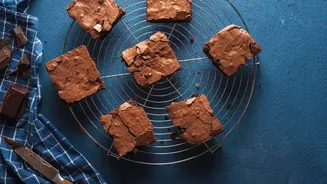
Baking with gluten-free flours like ragi and jowar presents a unique set of challenges that requires skill and innovation. These flours are much thirstier than wheat flour, meaning they absorb more liquid. Getting the hydration right is key to avoiding a dry or dense final product. Furthermore, the absence of gluten, which provides structure and elasticity, means bakers must adapt their recipes. Many chefs use binders like psyllium husk or rely on the natural binding properties of ingredients like curd, eggs, and jaggery. For example, some recipes call for hydrating the millet flour beforehand to ensure better digestion and a softer texture. This technical mastery is what allows chefs to create a brownie that is not only healthier but also texturally perfect, with the crinkled top and fudgy centre that everyone loves.