






The Quiet Death of the #Flex
For years, the unspoken currency of social life was the 'flex'—the art of casually displaying status. It was the picture from a Michelin-starred restaurant in Paris, the watch peeking out from a sleeve on a business class flight, the shopping bags from a famed
international avenue. This was the era of bragging rights, where experiences were often valued by how exclusive and globally recognisable they were. But a significant shift is underway. The relentless pursuit of conspicuous consumption is starting to feel dated, even a little hollow. A combination of global uncertainty, economic recalibration, and a collective post-pandemic search for authenticity has made overt displays of wealth seem less aspirational and more out of touch. People are tired of the performance. Instead, they’re looking for value and meaning, and finding it much closer to home.
Rediscovering Your Own Backyard
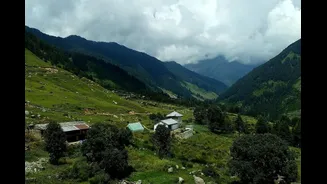
The most visible manifestation of this change is in how we travel. The pressure to collect passport stamps has been replaced by a genuine curiosity for domestic destinations. It’s no longer just about the beaches of Goa or the hills of Himachal. Indians are now exploring the historic havelis of Chettinad, the unique ecosystems of the Sundarbans, and the burgeoning art scene in cities like Kochi and Jaipur. This isn't just about saving money. It's about a desire for richer, more immersive experiences. A weekend spent exploring the winding lanes of an old city, taking a pottery class from a local artisan, or discovering a new regional cuisine offers a depth of connection that a whirlwind tour of generic global hotspots often lacks. The new travel goal isn't to prove you've been somewhere, but to feel like you truly experienced it.
The Rise of Local Pride
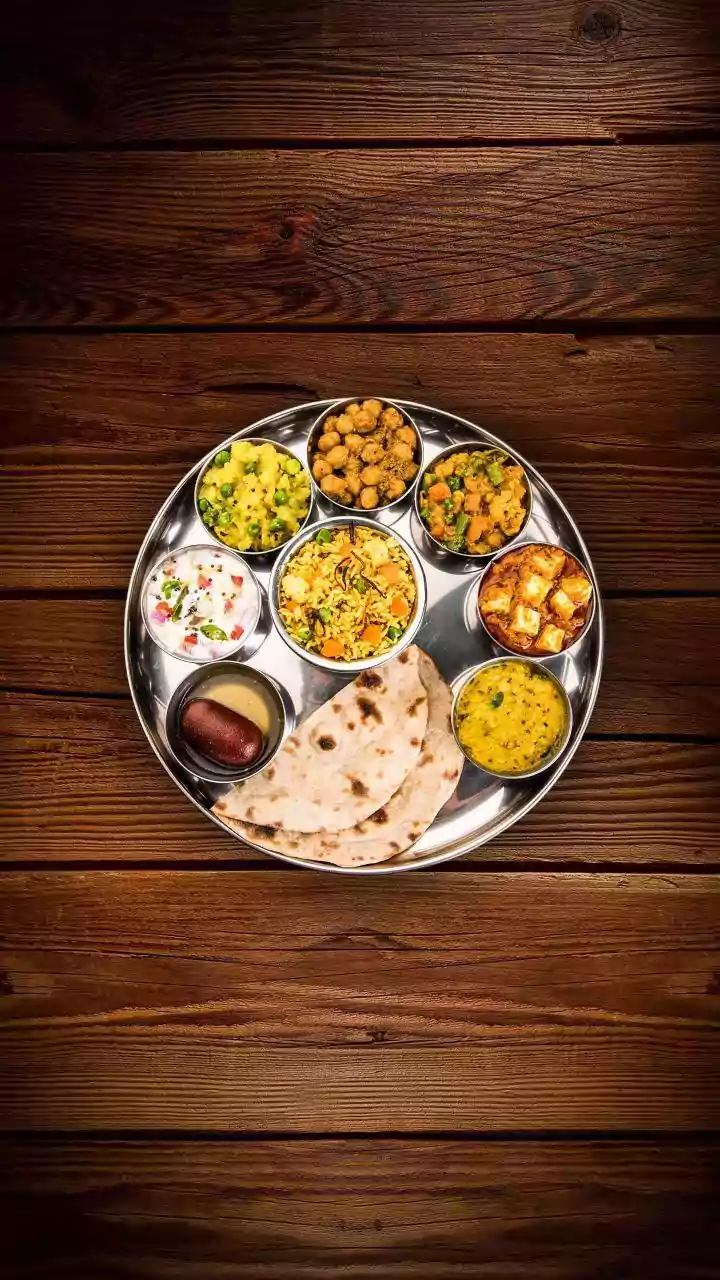
This inward turn extends beyond travel and into our daily consumption habits. There’s a growing sense of pride in local craftsmanship, design, and produce. Why order a mass-produced item from overseas when you can buy a beautifully crafted piece from a homegrown brand? Why eat at a generic global chain when a neighbourhood restaurant serves incredible, authentic local food? This trend, often called hyperlocalism, is about supporting the community and the real people behind the products. It’s about knowing the story of your coffee, the weaver of your handloom sari, or the farmer who grew your vegetables. This shift empowers local economies and creates a more sustainable and connected way of living. It transforms consumption from a transactional act into a meaningful choice that reflects personal values.
From #Goals to #Vibes
Social media, once the primary engine of bragging culture, is also reflecting this change. The algorithm-perfected, highly curated 'influencer' aesthetic is giving way to something more personal and niche. Think less '#wanderlust' in Santorini and more 'monsoon reads' from a cosy balcony in Mumbai. Users are gravitating towards content that captures a specific mood or 'vibe'—be it the simple joy of a home-cooked meal, the tranquillity of a local park, or the energy of a neighbourhood festival. This content celebrates the beauty in the everyday and the specific. It’s not about how much something cost, but how it made you feel. The new status symbol isn't an object or a destination; it's a well-curated, authentic life, lived right where you are.