




The Monsoon Challenge: Why Caution is Key
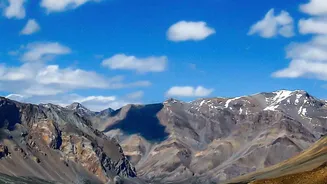
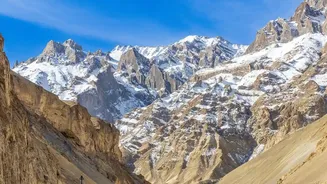
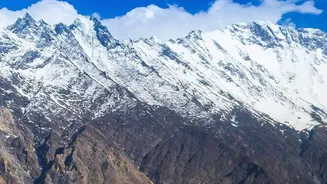
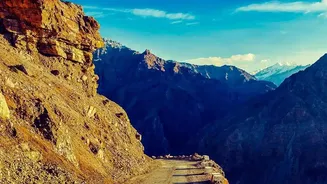
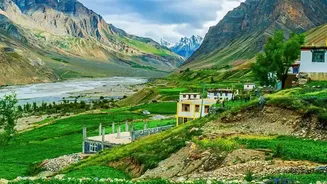
Spiti Valley, a high-altitude desert, famously sits in a rain-shadow area, meaning the valley itself receives minimal rainfall even during peak monsoon. This creates a deceptive picture of safety. The real danger lies on the approach roads. Both primary
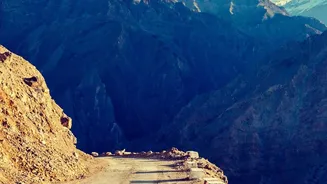
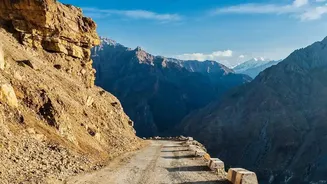
routes—via Shimla and Kinnaur, and via Manali and the Atal Tunnel—are highly susceptible to monsoon fury. Heavy rains in lower Himachal can trigger landslides, flash floods, and sudden road closures, making the journey unpredictable. The Lahaul & Spiti Police and District Disaster Management Authority (DDMA) frequently issue advisories urging travelers to avoid unnecessary risks, especially in landslide-prone zones. August travel is possible, but it demands flexibility, caution, and meticulous planning.
Understanding the "New Rules": Permits and Registration
The headline's mention of "new entry rules" can be confusing, so let's clarify. For Indian citizens, there is no special permit like an Inner Line Permit (ILP) required to enter Spiti Valley from either the Shimla or Manali side. This has been the rule for several years. You must, however, carry a valid government-issued photo ID like an Aadhaar card or driver's license. You will need to present this for routine registration at police checkposts, such as those at Jangi and Sumdo. For foreign nationals, a Protected Area Permit (PAP) remains mandatory for entering the region beyond Jangi due to its proximity to the international border. The most significant "new" systems in recent years are vehicle management portals like e-Aagman, which may be used to regulate traffic flow, particularly towards sensitive areas like Chandratal Lake, to prevent overcrowding.
Real-Time Route Advisories: Your Safety Lifeline
Given the volatile conditions, checking real-time route status is non-negotiable. Do not rely solely on Google Maps for timings or closures. The most reliable sources are official channels managed by local authorities. The Lahaul & Spiti Police are very active on their official Facebook page, frequently posting detailed weather warnings, road status updates (including for specific stretches like the Kunzum Pass or Gramphu-Batal road), and safety advisories. These updates often include information from the Border Roads Organisation (BRO) about road clearing operations. Before starting each day's journey, it is crucial to consult these pages. Local drivers, hotel owners, and travel forums can also provide invaluable, on-ground information that may not have reached official channels yet.
Choosing Your Route: Shimla vs. Manali
In August, the choice of route is a strategic one. The Shimla-Kaza highway (NH-505) is generally considered the safer bet. It allows for gradual acclimatization and, while not immune to landslides (especially around Malling Nallah and parts of Kinnaur), it is often more stable than the alternative. The Manali-Kaza route via the Atal Tunnel and Kunzum Pass is shorter but involves a rapid ascent to high altitudes and features notoriously difficult stretches like the road between Batal and Gramphu, which is prone to water crossings and washouts. While both routes are technically open as of mid-August, advisories often recommend 4x4 vehicles for the Manali side. The most prudent approach is to enter via Shimla and keep plans flexible, being prepared to return the same way if the Manali exit is deemed unsafe.
Essential Monsoon Travel Checklist
Successful monsoon travel to Spiti is all about preparation. Start each day's drive early to avoid afternoon rain and cross water crossings when the flow is lower. Pack for all conditions: waterproof jackets and pants for the approach roads, and warm layers (fleece, thermals) for the cold, dry nights in Spiti. Most importantly, build buffer days into your itinerary. A minimum of two to three extra days is recommended. This allows you to wait out a road closure without derailing your entire trip. Keep emergency supplies like snacks, water, and a first-aid kit in your vehicle. Finally, inform your family or friends of your itinerary and check in regularly. In case of an emergency, the District Police control room is the primary point of contact.