





More Than Just a Space Balloon
Forget the image of a simple balloon. Inflatable space habitats are sophisticated, multi-layered structures built for durability and efficiency. Composed of high-tech, flexible fabrics like Vectran—a material stronger than Kevlar—these modules launch
in a compressed state, fitting inside a standard rocket fairing. Once in orbit, they expand to their full size, creating a voluminous, human-rated environment. The primary advantage is an incredible efficiency of space. Compared to traditional rigid aluminum modules, which are limited by the width of the rocket that carries them, inflatables offer far more interior volume for the same launch mass. This leap in spatial economy is critical as humanity prepares for a sustained presence in Low Earth Orbit (LEO) and beyond.
The Race to Inflate
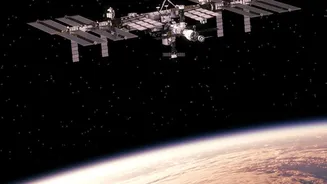
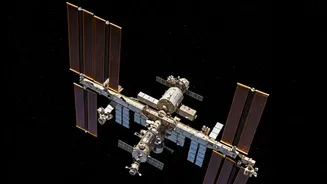
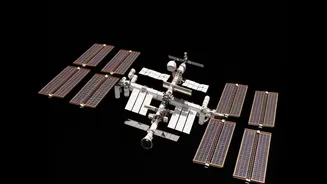
With the International Space Station (ISS) scheduled for retirement around 2030, a new generation of commercial space stations is preparing to take its place, and inflatable technology is at the forefront. Sierra Space is a major player with its Large Integrated Flexible Environment (LIFE) habitat. The LIFE module is designed to be a three-story structure in space, capable of hosting astronauts for living, working, and conducting science. The company has performed numerous successful burst pressure tests on its habitat prototypes, exceeding NASA's safety requirements and proving the technology's robustness. Other companies like Lockheed Martin and the startup Max Space are also developing their own expandable concepts. Even Axiom Space, while primarily building rigid modules for its commercial station, has contracted to manufacture an inflatable module designed as a microgravity media and entertainment venue. This broad commercial interest highlights the industry's confidence in a flexible future.
A New Frontier for Science
The single biggest impact of these larger habitats is the new potential for scientific research. The sheer volume of an inflatable module provides unprecedented room for complex experiments that are difficult to accommodate in the cramped quarters of current spacecraft. This means larger research racks, more equipment, and the ability for crew to move and work more freely. The flexible interior of an inflatable habitat can also be more easily reconfigured to suit the evolving needs of a mission or a specific experiment, from pharmaceutical development to materials science. Research into in-space manufacturing, crystal growth, and even agriculture benefits from the added space. Furthermore, the multi-layer fabric shells offer excellent protection against micrometeoroids and can provide radiation shielding comparable to or even better than traditional structures. This enhanced protection is vital for the long-duration missions that enable deeper scientific inquiry.
Enabling the Post-ISS Economy
The transition from the government-run ISS to commercially owned and operated platforms in LEO is a pivotal moment for the space economy. Inflatable habitats are a key enabling technology for this shift. Their lower launch mass and cost-effective volume make the business case for private space stations more viable. NASA is actively supporting these developments through partnerships, aiming to become one of many customers in a future orbital marketplace. Companies like Sierra Space plan to launch pathfinder habitats as standalone stations before integrating them into larger orbital complexes like the planned Orbital Reef. This modular, scalable approach allows for the gradual build-out of infrastructure in space, supporting everything from dedicated science parks to manufacturing facilities and even space tourism.