




The Rise of the 'Cat Wall'
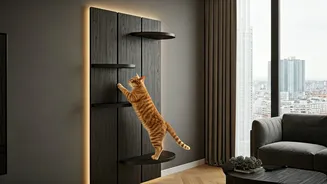
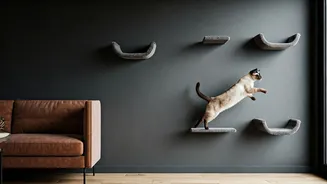
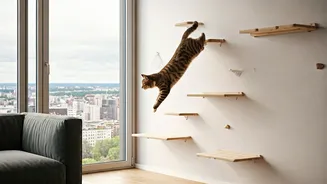
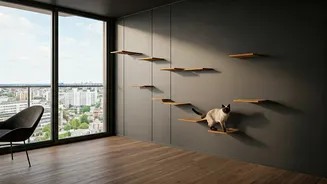
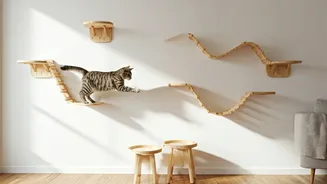
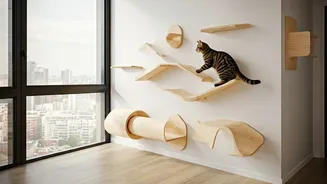
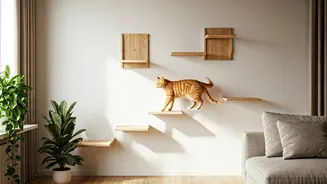
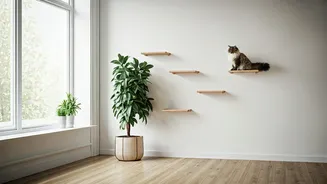
Forget the clunky, carpeted cat trees of the past that you’d hide in a corner. The modern solution taking over homes in cities like Mumbai and Bengaluru is the ‘cat wall’ or ‘cat superhighway’. These are bespoke installations of wooden shelves, steps,
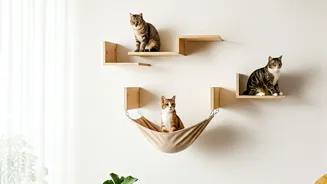
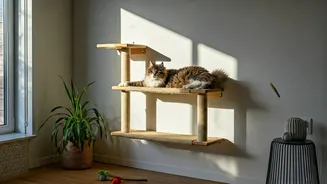
perches, and bridges securely mounted on a wall, creating an engaging, multi-level playground. This trend isn't just about spoiling a pet; it’s an intelligent fusion of animal welfare and interior design. It transforms unused vertical space into a functional and aesthetically pleasing feature, allowing pet parents to provide enrichment without sacrificing floor space or style.
Why Your Cat Craves Height
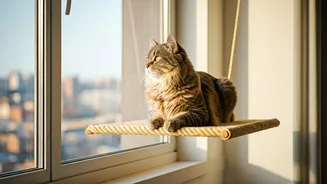
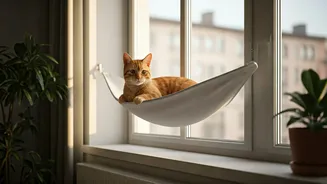
To understand the appeal, you have to think like a cat. In the wild, their ancestors used high vantage points for two key reasons: to spot prey and to stay safe from predators. This instinct is hardwired into your domestic house cat. Providing vertical territory satisfies this deep-seated need. A high perch gives them a secure place to observe their surroundings (the 'throne' from which they survey their kingdom), a safe retreat from a busy household, and an opportunity for exercise. For homes with multiple cats, vertical space can be a peacemaker, creating more territory and reducing competition and stress.
Design Meets Feline Function
What makes this trend so popular is its design flexibility. Homeowners are moving towards natural materials that blend seamlessly with modern decor. Polished pine, sturdy sheesham, or light birch wood are common choices. Bridges are often crafted with durable rope, and scratching surfaces are integrated using tightly wound sisal rope instead of unsightly carpet. The result is less ‘pet furniture’ and more ‘functional sculpture’. The modular nature allows for complete customisation, letting you design a path that flows with your room’s layout, connecting a bookshelf to a window perch, or creating a dedicated loop for play.
Planning Your Cat's Superhighway
Before you start drilling, take a moment to observe your cat. Where do they like to nap? Which window do they favour for bird-watching? A successful cat wall is a route with a purpose. The best designs incorporate a mix of elements: long stretches for walking, staggered steps for climbing, and wide platforms for lounging. Think about an ‘on-ramp’—a low shelf or existing piece of furniture they can use to access the highway. The final destination should be rewarding, like a comfy bed in a quiet, sunny spot or a perch with a great view. The key is to create a path that feels intuitive and safe for your specific cat’s age and agility.
Safety Above All Else
Aesthetics are important, but safety is paramount. Each shelf and bridge must be securely anchored to the wall, capable of supporting more than your cat's weight (remember they will jump and pounce on them). Use appropriate wall plugs and screws for your wall type—brick, concrete, and drywall all have different requirements. Check the spacing between platforms; it should be close enough for a comfortable leap but not so close it’s boring. For older or less agile cats, consider adding ramps or ensuring shorter gaps. Finally, ensure all materials are non-toxic. Use untreated wood or pet-safe finishes, and avoid small, dangling parts that could be a choking hazard.
DIY Dream or Professional Job?
Creating a cat wall can be a rewarding DIY project if you have the right tools and skills. Many online tutorials and plans are available. It allows you to customise every detail and can be more budget-friendly. However, if you are not confident in your ability to safely anchor heavy structures to a wall, it’s best to hire a professional. A local carpenter or a specialised pet furniture company can design and install a system that is both beautiful and structurally sound, giving you complete peace of mind. They can also provide advice on the best materials and layout for your space and your cat's needs.