








1. Trade Marathons for 'Exercise Snacks'
The old-school 'no pain, no gain' mantra demands an hour-long, sweat-drenched session, no matter the weather. The minimalist approach flips that script. Instead of one grueling workout, the focus shifts to 'exercise snacks'—short, 5-to-10-minute bursts
of activity sprinkled throughout the day. The science backs this up: multiple short sessions can offer similar, if not superior, cardiovascular and metabolic benefits compared to one long bout of moderate exercise. In suffocating humidity, this isn't just more pleasant; it's smarter. It keeps your core temperature from skyrocketing and reduces the overall stress on your body. Think a quick set of squats before a meeting, a few minutes of jumping jacks on a break, or a fast-paced walk up and down the stairs. It all adds up.
2. Embrace Bodyweight Basics
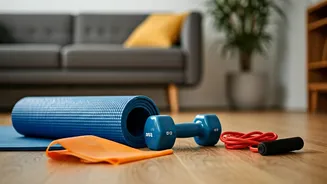
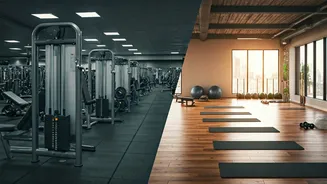
Who wants to be in a stuffy, crowded gym or hoist heavy iron when it feels 100 degrees inside and out? The minimalist shift prioritizes freedom from equipment. This is the golden age of bodyweight training. Mastering push-ups, air squats, lunges, planks, and glute bridges provides a full-body workout that builds functional strength, improves mobility, and can be done in the comfort of your air-conditioned living room. It eliminates the friction of 'getting to the gym' and makes consistency far more achievable. The goal isn't to become a world-class calisthenics athlete, but to use your own body as a versatile, effective, and always-available piece of fitness equipment. It’s about maintaining strength and momentum without the logistical or physical burden of a traditional gym routine.
3. Redefine 'Cardio'
For many, cardio means a long, punishing run outside. During peak summer humidity, that's not just uncomfortable; it can be dangerous. The new workout culture redefines cardio as simply 'moving your body to elevate your heart rate.' This opens up a world of possibilities that don't involve risking heat exhaustion. Maybe it’s a dance party in your kitchen, a low-impact mobility flow that gets your blood pumping, or a vigorous cleaning session. A key principle is finding joy in movement, detaching it from the metric-obsessed grind. If you do go outside, the timing changes. The 'minimal' approach favors a gentle walk in the very early morning or late evening when the sun isn't a direct threat, focusing on consistency over intensity.
4. Hydrate and Mineralize Like a Pro
This isn't just about drinking water; it's a core tenet of the workout philosophy. When you're sweating just by existing, your hydration and electrolyte strategy becomes paramount. Minimalist workout culture treats hydration as part of the workout itself. This means starting your day with a big glass of water, sipping consistently (not just chugging when you're thirsty), and actively replenishing the electrolytes—sodium, potassium, magnesium—lost through sweat. Adding a pinch of sea salt and a squeeze of lemon to your water, or opting for a low-sugar electrolyte mix, is seen not as an optional add-on but as a non-negotiable tool for performance, recovery, and overall well-being. It’s the ultimate expression of working with your body’s needs, not against them.
5. Listen to Your Body, Not Your Ego
Perhaps the biggest shift is a philosophical one. For decades, workout culture celebrated pushing through pain and ignoring signals of fatigue. The monsoon minimalist knows that’s a recipe for burnout, injury, or heat stroke. This approach champions interoception—the practice of listening to your body's internal cues. Feeling dizzy? Stop. Are you excessively fatigued before you even start? Maybe today is a rest day, or a day for gentle stretching instead of high-intensity intervals. This isn't an excuse to be lazy; it's a strategy for sustainability. By honoring your body’s limits in extreme weather, you ensure you can keep showing up, day after day, long after the heatwave has passed.