



Understanding the Enemy: Why Tarnish Happens
Before diving into solutions, it helps to know what you're fighting. Most artificial and gold-plated jewellery has a base metal of copper, brass, or a similar alloy. Tarnish is the result of a chemical reaction, called oxidation, that occurs when these
base metals are exposed to elements in the environment. The main culprits are moisture, humidity, oxygen, and sulphur in the air. Everyday substances like sweat, skin oils, perfumes, lotions, and soaps accelerate this process, causing the jewellery to discolour, dull, or even leave a green mark on your skin. The thin layer of gold on plated pieces eventually wears away, exposing the reactive metal underneath and speeding up the tarnish.
The 'Last On, First Off' Rule
One of the most effective habits is to make your jewellery the last thing you put on and the first thing you take off. Apply all your cosmetics—lotions, perfumes, hairspray, and makeup—before you wear your jewellery. Let these products dry completely, as their chemical components can erode the delicate plating. At the end of the day, remove your jewellery before anything else. This simple routine minimises contact with the chemicals that cause the most damage and preserves the finish of your favourite pieces.
Keep It Dry, Always
Moisture is the number one enemy of fashion jewellery. The humidity in a bathroom makes it one of the worst places to store your pieces. You should always remove your rings, bracelets, and necklaces before showering, swimming, washing your hands, or exercising. If a piece does get wet, it is crucial to dry it thoroughly with a soft cloth before storing it. Even a small amount of trapped moisture can lead to significant tarnishing over time, as it causes the base metal to oxidise from underneath the plating.
Smart Storage Is Non-Negotiable
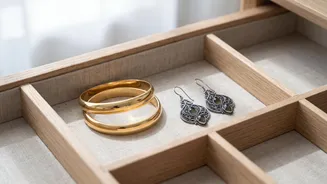
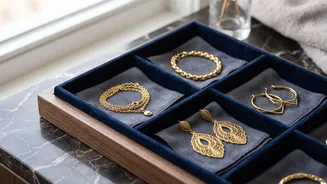
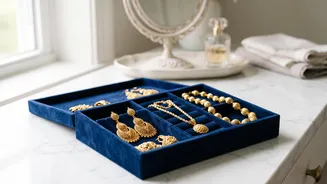
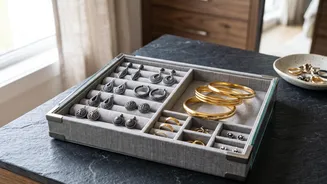
Tossing your jewellery into a dish or drawer is a recipe for scratches, tangles, and tarnish. Proper storage is key to longevity. The ideal method is to keep each piece separate to prevent them from rubbing against each other, which can scratch off the plating. Store items in individual soft pouches, small plastic zip-top bags, or a lined jewellery box with separate compartments. For an extra layer of protection, you can add anti-tarnish strips or a small silica gel packet to your storage container to absorb excess moisture and sulphur from the air. Even placing a piece of chalk in your jewellery box can help absorb humidity.
The One Practical Tip: Create a Protective Barrier
Here is the single most practical, hands-on tip for protecting your most-worn pieces: apply a clear sealant. This creates a physical barrier between the metal and the elements. For an inexpensive and accessible option, a thin coat of clear nail polish works well, especially on the parts of a ring that touch your skin. This can prevent both tarnishing and the common green discolouration on your finger. Apply one or two thin coats and let it dry completely. You will need to reapply it occasionally as it wears off. For more precious or intricate pieces, consider a specialised jewellery sealant or wax, which is designed to create a more durable and invisible film. This simple step effectively seals the metal from air and moisture, dramatically slowing down the oxidation process.
Gentle Wipes and Minimal Cleaning
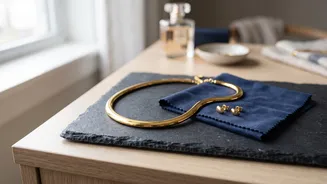
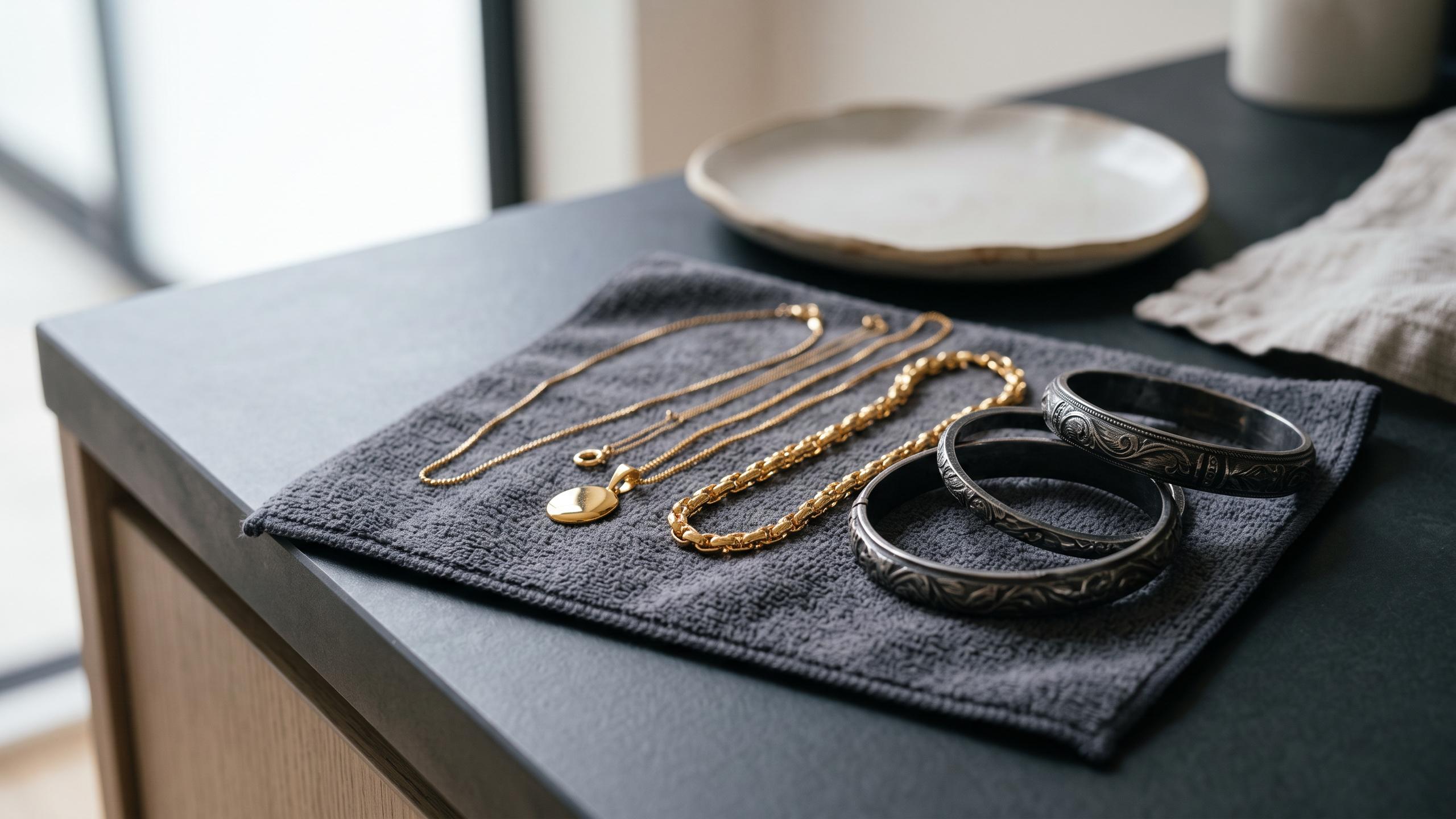
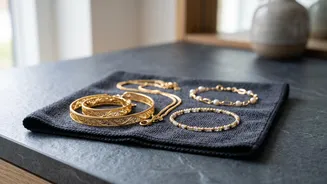
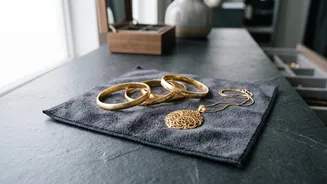
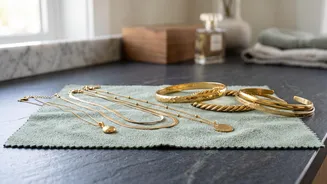
After each wear, get into the habit of gently wiping your jewellery with a soft, dry cloth like a microfibre or spectacle cloth. This removes residual sweat, oils, and makeup that can cause damage during storage. For a deeper clean, if necessary, you can use a slightly damp cloth with a drop of mild soap, but avoid harsh chemicals, abrasives, or soaking the piece. Never use toothpaste or harsh jewellery cleaners, as these can strip the plating right off. Always ensure the piece is completely dry before putting it away.