


A Humiliating Homecoming
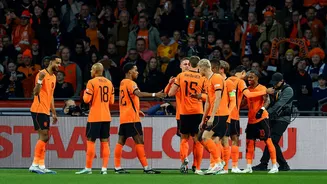
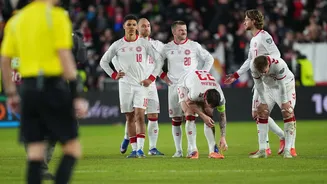
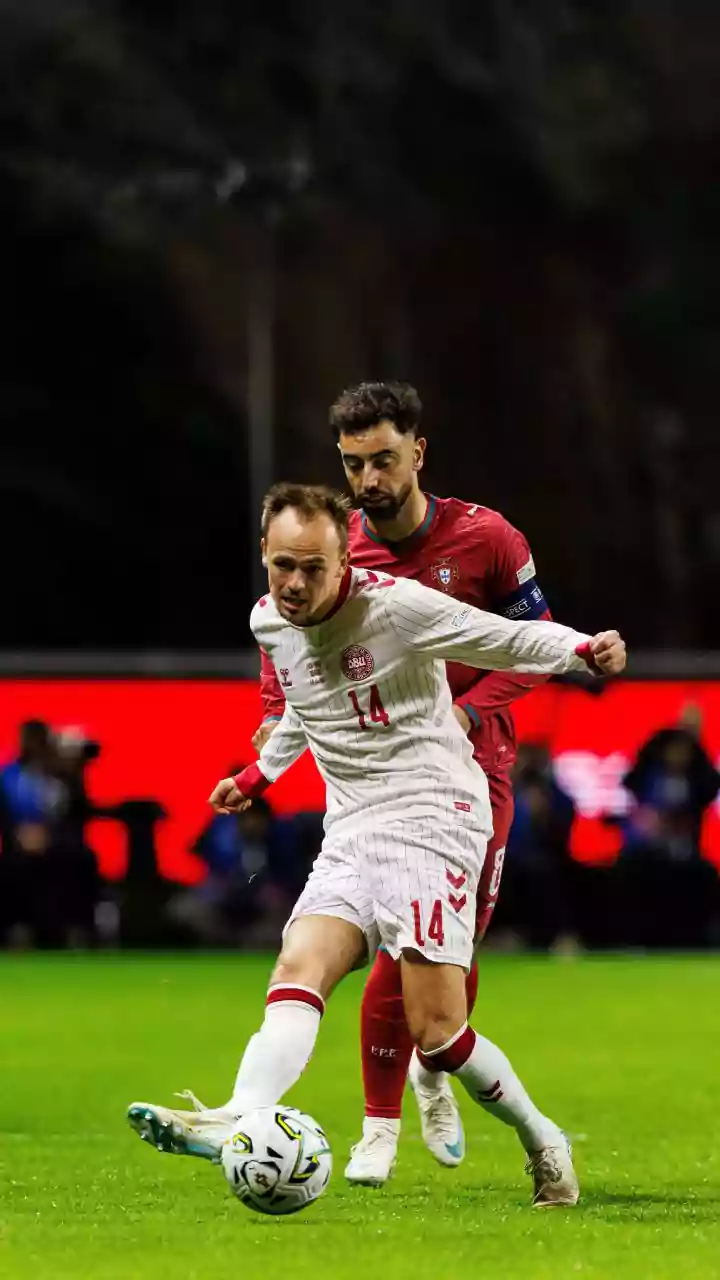
The 4-1 scoreline against Denmark in the UEFA Nations League does not even tell the full story of the chaos at the Estádio Municipal de Braga. This was meant to be an evening of transition, the start of a new chapter for a nation blessed with immense
talent. Instead, it was a horror show. Portugal, a team boasting some of the finest players from Europe’s top clubs, looked disjointed, rudderless, and, most worryingly, psychologically fragile. Denmark, organised and clinical, did not have to be exceptional to expose the gaping hole left by a player who has defined Portuguese football for two decades. The loss was described as their heaviest competitive home defeat, a grim statistic to mark the dawn of a new era.
The Tactical Void
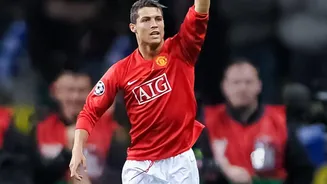
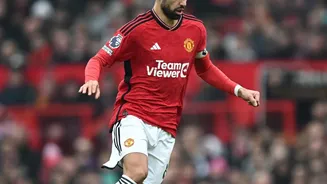
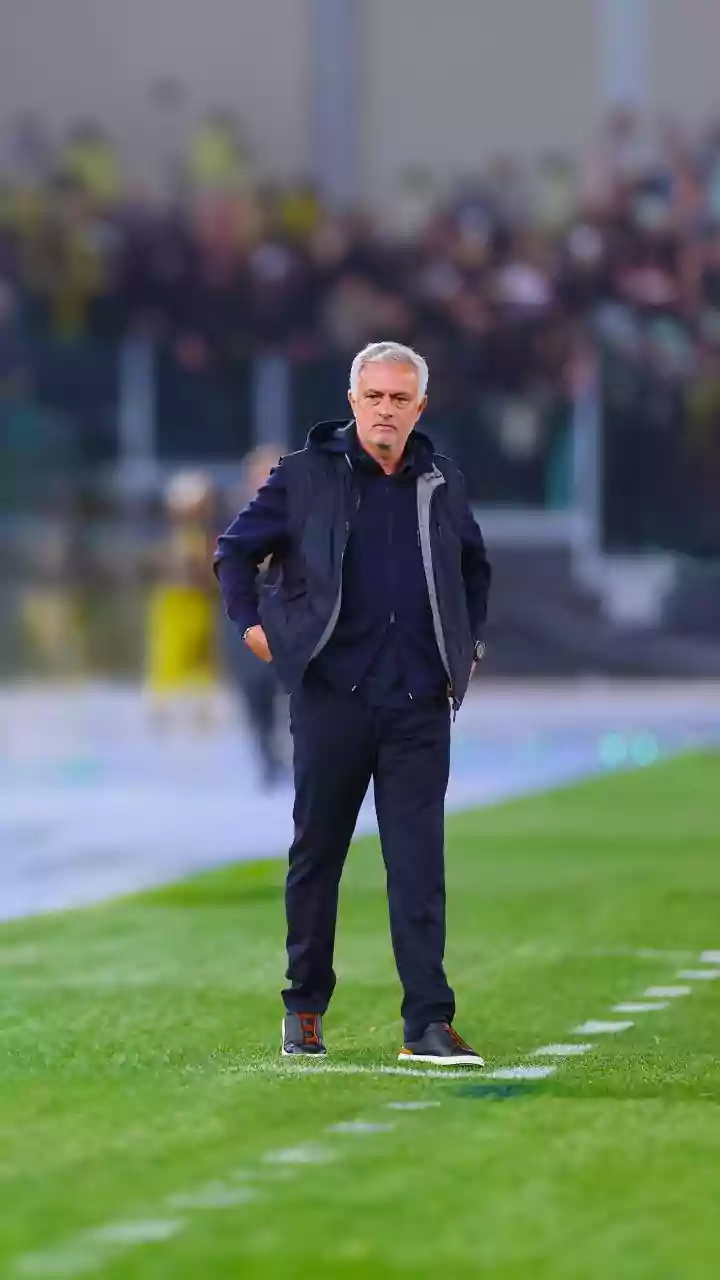
For years, the debate has raged: are Portugal a better, more fluid team without the gravitational pull of Cristiano Ronaldo? The evidence from this match provides a damning initial answer. Manager Roberto Martínez watched as his attacking constellations—Bruno Fernandes, Bernardo Silva, João Félix, and Rafael Leão—failed to align. Without the focal point of Ronaldo occupying defenders and making decisive runs, the attack became a collection of talented individuals rather than a cohesive unit. Denmark’s disciplined defensive block, a hallmark of their recent tactical identity, comfortably absorbed Portugal’s aimless possession before striking with venom on the counter-attack. The home side’s structure, which has often looked fluid under Martínez, simply crumbled, appearing more like a 'doughnut build-up' with no one to penetrate the center.
More Than Just a Goalscorer
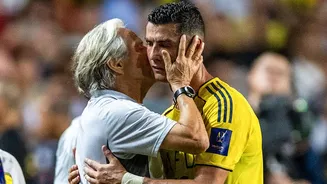
To reduce Ronaldo's influence to his staggering goal tally is to miss the point entirely. What was missing against Denmark was not just a finisher, but a leader. Ronaldo's presence alone commanded respect and instilled a unique blend of fear and belief. He was the standard-bearer in training and on the pitch, an icon whose relentless drive pushed everyone around him to be better. Teammates have long spoken of his motivational power and his ability to take responsibility in critical moments. Without that figure demanding excellence, Portugal’s on-pitch leaders seemed to shrink. When Denmark scored their second, and then a third, there was no one to rally the troops, no force of will to drag the team back from the brink.
The Weight of the Number 7 Shirt
The pre-match tribute, with every player wearing Ronaldo's iconic No. 7 jersey, was a poignant gesture honouring a legend. But by the final whistle, it felt like an ironic burden. The shirt, a symbol of unparalleled success for 23 years, now represents a legacy that seems impossible to replicate. The question was never about whether Portugal's next generation of stars had talent; that is undisputed. The question is who, if anyone, can inherit the mentality. Who can shoulder the pressure of a nation's expectations when the game is on the line? This defeat suggests that the psychological transfer of power will be far more difficult than the tactical one. Portugal is not just replacing a player; it is trying to replace a phenomenon.
Where Does Portugal Go From Here?
One disastrous result does not define a team's future, but it serves as a powerful warning. The 'party' of the Ronaldo era, which brought a European Championship and a Nations League trophy, is definitively over. Now, the hard work begins. Martínez must find a new system that empowers his collection of stars to play as a unit, freeing them from the obligation of looking for one man to provide the magic. Leaders must emerge from the collective, not by appointment, but through character and performance. The road ahead is uncertain. This loss to Denmark was a painful but perhaps necessary lesson: the post-Ronaldo era will be built on sweat and strategy, not just on memory and talent.