

Choosing Your Mint Variety
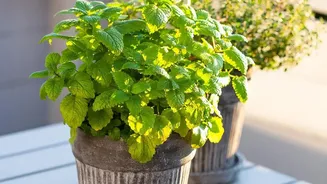
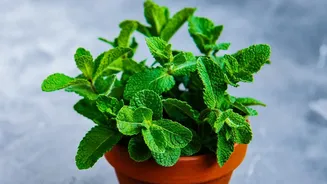
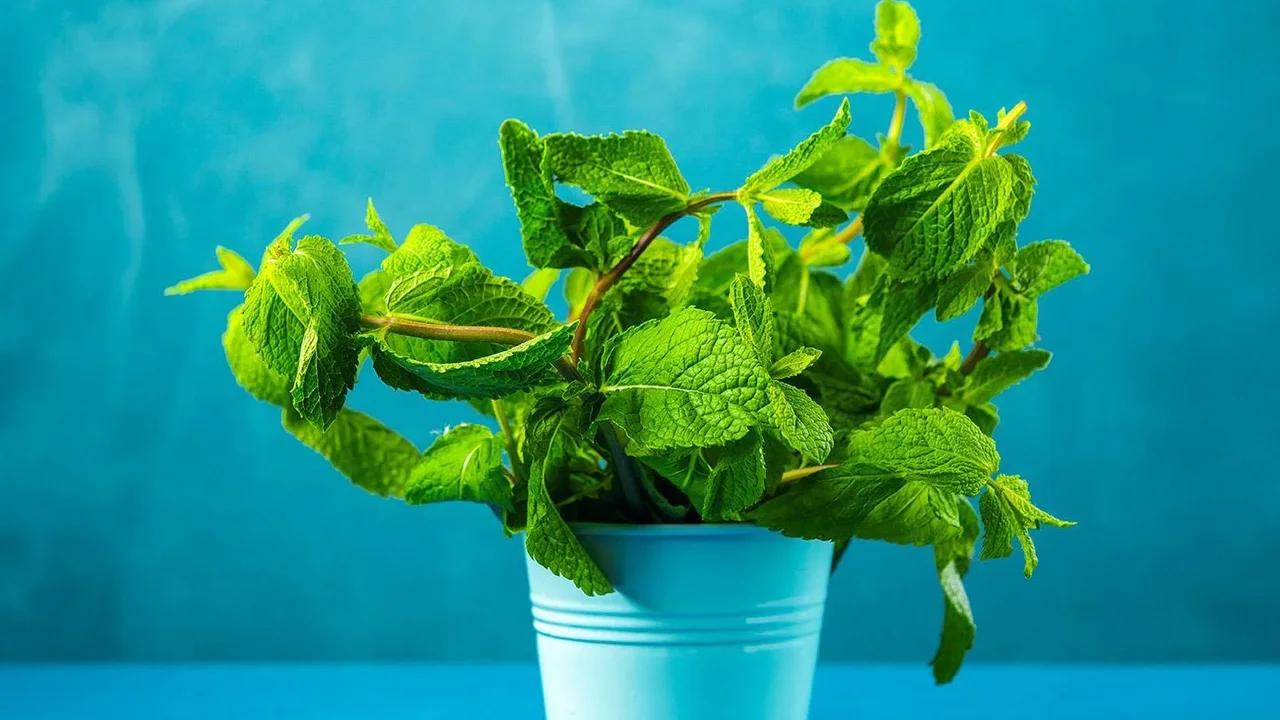
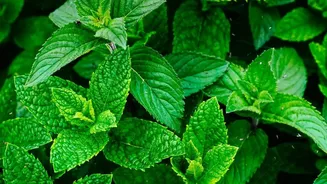
Your journey begins with selecting a mint plant. While you can grow it from seed, starting with a small plant or a cutting from a friend is much faster. There are hundreds of varieties, but a few are perfect for indoor pots. Spearmint (Mentha spicata)
is the classic choice, great for cooking and drinks. Peppermint (Mentha x piperita) has a stronger, more pungent flavour, ideal for teas. For something different, consider Chocolate Mint, which has a delightful chocolatey scent, or Apple Mint, which offers a milder, fruitier taste. You can often find starter plants at local nurseries or even grocery stores.
The Perfect Potting Setup
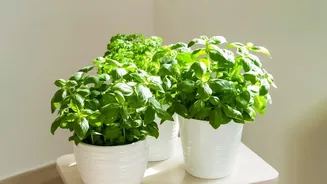
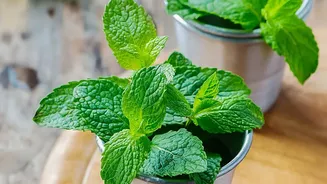
Mint is an energetic grower and loves to spread, so giving it the right home is crucial. Choose a container that is at least 8-12 inches deep and just as wide. This gives the roots room to expand. The single most important feature of your pot is drainage holes. Mint loves moist soil, but it will quickly suffer from root rot if it sits in stagnant water. A standard, well-draining potting mix is perfect. You can improve drainage further by adding some perlite to your soil mixture. Always plant mint in its own pot, as its aggressive roots will quickly take over any shared space.
Light and Water Essentials
Finding the right balance of light and water is key to a happy mint plant. Mint thrives in bright, indirect light. An east-facing window with gentle morning sun is ideal, but a west-facing one works too. Aim for at least four to six hours of light daily. If your plant starts to look pale or 'leggy' with long, sparse stems, it's likely not getting enough light. When it comes to watering, the goal is to keep the soil consistently moist but never soggy. Water thoroughly whenever the top inch of soil feels dry to the touch, and let any excess water drain away completely.
Pruning for a Fuller Plant
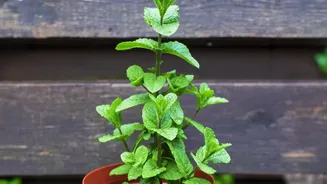
Don't be shy about pruning your mint. Regular trimming is the secret to encouraging a bushy, full plant instead of a few long, sad stems. Start pruning as soon as the plant is a few inches tall. The best way to do it is to pinch or snip off the top of the stems, just above a set of leaves. This encourages the plant to branch out from that point, creating a denser shape. A good rule of thumb is to trim back about one-third of the plant's size every few weeks during its active growing period.
Harvesting Your Fresh Mint
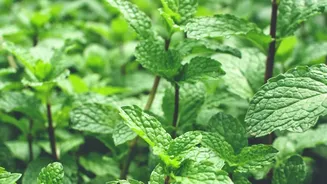
Harvesting is just like pruning with a delicious purpose. For the best flavour, harvest leaves in the morning before the day's heat sets in. Instead of plucking individual leaves, which can weaken the plant over time, cut the stem a few inches above the soil. Always leave a few sets of leaves at the base of the plant so it can continue to grow. Regular harvesting actually promotes more vigorous growth, so the more you use your mint, the more it will produce.
Troubleshooting Common Issues
Even with the best care, you might encounter a few problems. Yellowing leaves are often a sign of overwatering and potential root rot. If you see this, let the soil dry out more between waterings. Leggy growth usually points to a lack of sunlight. As for pests, indoor plants are less susceptible, but keep an eye out for small insects like spider mites or aphids, which can thrive in stagnant indoor air. Improving air circulation can help prevent them. Another common issue is powdery mildew, a white, dusty-looking fungus. This is also often caused by poor airflow and can be managed by ensuring the leaves have space to breathe.