





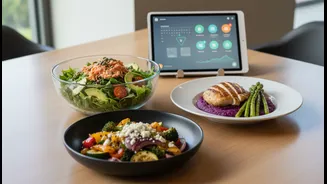


From Medical Device to Fitness Gadget
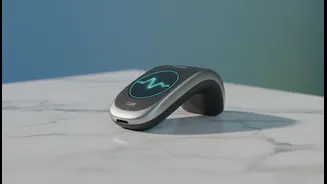
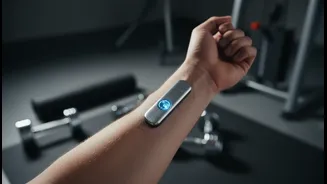
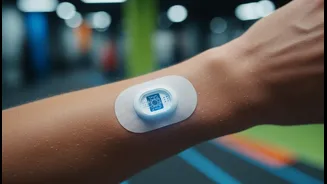
A continuous glucose monitor is a small, wearable device that tracks your glucose (sugar) levels in real-time, 24/7. It consists of a tiny sensor filament inserted just under the skin, typically on the arm, which measures glucose in the interstitial fluid
(the fluid between your cells). This data is sent wirelessly to a smartphone app, giving you a constant stream of information about how your body is responding to food, exercise, stress, and sleep. Originally developed to help people with diabetes manage their condition, CGMs are now being adopted by health-conscious individuals and athletes without diabetes to gain deeper insights into their personal metabolism. The goal is no longer just disease management but performance optimisation.
Fine-Tuning Your Fuel for Better Performance
For fitness buffs, the key benefit of a CGM is understanding the direct impact of nutrition on energy levels. The data can reveal exactly how your body reacts to a pre-workout banana versus a bowl of dal. By monitoring glucose trends, you can learn which foods provide sustained energy and which cause a rapid spike followed by a crash, that dreaded 'bonk' during a long run or intense workout. This allows athletes to personalize their fueling strategies, figuring out the right type and timing of carbohydrates to maintain stable energy, avoid performance-hampering hypoglycemia (low blood sugar), and improve endurance. It's like having a personal nutrition coach that provides objective data on your body's unique responses.
Optimising Workouts and Recovery
CGM data offers a window into how your body handles different types of exercise. For instance, aerobic exercises like jogging tend to lower glucose levels, while anaerobic activities like weightlifting can cause a temporary spike. Understanding these patterns can help you structure your workouts more effectively. More importantly, it can transform your approach to recovery. By seeing how post-workout meals affect your glucose levels, you can refine your nutrition to replenish glycogen stores more efficiently, supporting muscle repair and reducing fatigue. Stable glucose levels overnight are also crucial for recovery, and a CGM can reveal if your late-night snack is disrupting your sleep and, consequently, your gains.
A Tool, Not a Magic Bullet
While the insights from a CGM can be powerful, experts caution against viewing it as a standalone solution. The data requires context and interpretation. For one, CGMs measure glucose in the interstitial fluid, which can lag behind blood glucose levels by 5 to 15 minutes, especially during rapid changes like exercise. There's also the risk of data overload and unnecessary anxiety. Normal glucose fluctuations are part of a healthy metabolism, and obsessing over every minor spike can lead to a restrictive or unhealthy relationship with food. Furthermore, research on the concrete performance benefits for non-diabetic athletes is still emerging, and there is no scientific consensus on what an 'optimal' glucose range for a healthy athlete even is.
The Indian Context and Considerations
In India, where awareness of metabolic health is growing, CGMs are becoming more accessible, with some available without a prescription. This has led to a rise in fitness influencers and wellness enthusiasts using the devices to 'bio-hack' their diets. While this trend can increase awareness, it's crucial to approach CGM data with caution. Individual responses to food are highly variable, meaning what works for an influencer may not work for you. Experts in India suggest that if you're curious, using a CGM under the guidance of a qualified healthcare professional or a certified nutritionist is the best approach to ensure the data is interpreted correctly and used to make healthy, sustainable lifestyle changes rather than chasing fleeting trends.