



Start With Smarter Gear
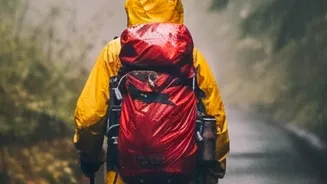
The secret to light packing begins before you even place an item in your bag. The most significant space-eaters in a rainy-weather wardrobe are the coat and shoes. Instead of a traditional, heavy raincoat, invest in a modern, packable alternative. Many
outdoor brands offer high-performance rain shells that are fully waterproof and breathable yet can be compressed into a tiny pouch. Similarly, instead of thick wool or cotton jumpers, opt for thin layers of merino wool. This natural fibre provides excellent warmth without the bulk, wicks moisture away, and has the added benefit of being naturally odour-resistant, meaning you can wear pieces more than once.
Master the Art of Rolling
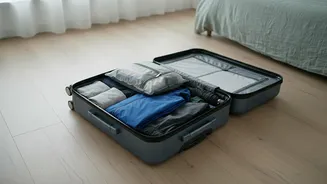
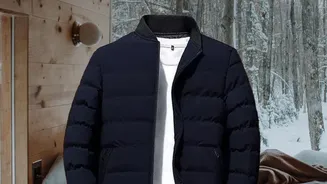
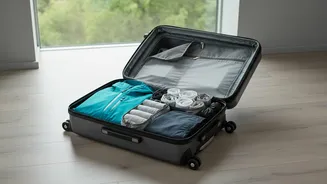
Folding clothes creates hard, rectangular shapes with lots of wasted air in between. Rolling, on the other hand, compresses items and allows them to fit together more snugly, like a game of Tetris. For most of your clothes, like T-shirts, trousers, and thinner layers, a simple, tight roll will suffice. For bulkier items like a fleece mid-layer or even a puffer-style jacket, use the 'ranger roll' method. This technique involves folding the item into a compact log and using its own hem to secure the roll, creating a tight, space-saving bundle that won’t unspool in your luggage.
Embrace Compression Packing Cubes
Packing cubes are a traveller's best friend, but compression cubes are a rainy-weather saviour. These zippered fabric containers allow you to organise your clothing and then use a second zipper to squeeze out excess air, significantly reducing the volume of your items. They are perfect for taming bulky sweaters, extra trousers, and even softer jackets. A smart strategy is to use one cube for your base layers, another for mid-layers, and keep a spare one for laundry. This not only saves space on your way out but also keeps dirty or damp clothes separate on your return journey.
Plan Your Footwear Strategy
Footwear is often the heaviest and most awkward category to pack. The golden rule of travel packing is to wear your bulkiest pair of shoes on the plane. If you need boots for your rainy destination, they should be on your feet at the airport. This single move frees up an enormous amount of real estate inside your cabin bag. For your second pair, choose something lightweight and versatile, like waterproof trainers or packable flats. When packing this second pair, place them along the sides of your suitcase, with the soles facing outwards to keep dirt away from your clothes.
Utilise Every Inch of Dead Space
Once your main items are packed, it’s time to get creative with the leftover nooks and crannies. The insides of your shoes are the most obvious opportunity; they are perfect for stuffing with socks, underwear, or even chargers and adapters. Roll up belts and place them along the inner perimeter of the suitcase. Look for small gaps between your packing cubes or rolled clothes and wedge in smaller items. This approach not only maximises your capacity but also creates a denser, more stable pack where items are less likely to shift around during transit.
Think in Layers, Not Bulk
Rather than packing one giant, heavy sweater, pack three thinner layers. A long-sleeve base layer, a T-shirt, and a thin fleece or merino wool cardigan offer more versatility and take up less combined space. This 'capsule wardrobe' approach allows you to adapt to changing temperatures throughout the day, from a chilly morning to a milder, damp afternoon. By choosing items in a complementary colour palette, you can mix and match to create multiple outfits from a minimal number of pieces, ensuring you are prepared for any weather without overpacking.