






The Land of Giants
Kaziranga National Park, a UNESCO World Heritage Site in Assam, is a sprawling expanse of tall elephant grass, marshland, and dense forests, nourished by the mighty Brahmaputra River. Covering over 1,000 square kilometres, this landscape is not just a park;
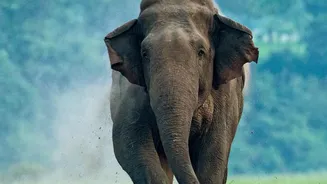
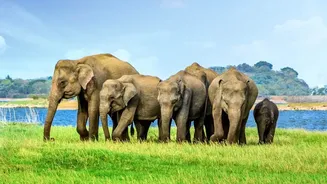
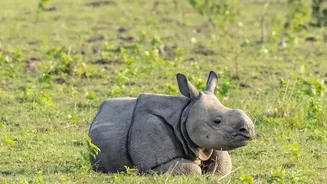
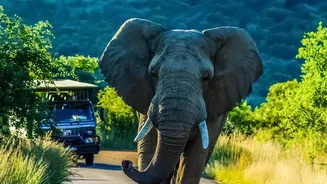
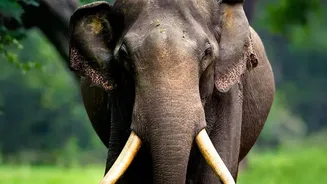
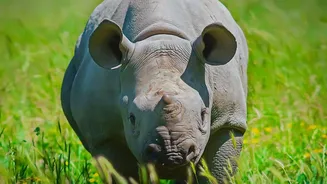
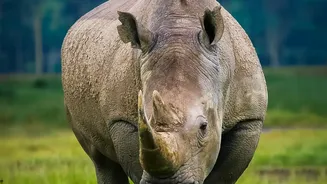
it's a fortress for biodiversity. It’s most famous resident is the Indian one-horned rhinoceros, but Kaziranga is also a crucial habitat for elephants, tigers, wild water buffalo, and swamp deer. A safari here is more than a wildlife-spotting excursion; it is an immersion into a vibrant ecosystem where nature's drama unfolds at every turn. The park is divided into several ranges, including the popular Central (Kohora) and Western (Bagori) zones, each offering a unique glimpse into this wild domain.
The Safari Experience
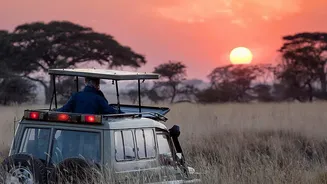
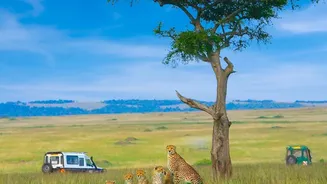
Visitors can explore Kaziranga's depths through two main types of safaris: jeep and elephant. Jeep safaris, which run in the morning and afternoon, allow you to cover more ground across the park's diverse zones. An open-top jeep ride offers a thrilling sense of adventure as you navigate the dirt tracks, with each vehicle accompanied by an armed forest guard for safety. The elephant safari, offered in the early morning, provides a different perspective. Riding atop these gentle giants allows you to wade through tall grasses and get remarkably close to rhinos, who are less disturbed by the presence of another large animal. This slow, intimate journey through the grasslands at dawn is often the highlight for many visitors, offering unparalleled photographic opportunities and a feeling of being truly part of the wilderness.
A Conservation Triumph
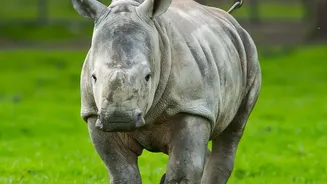
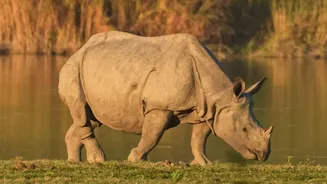
The story of the greater one-horned rhino is a remarkable tale of recovery. In the early 20th century, the species was pushed to the brink of extinction, with fewer than 200 individuals remaining. Thanks to decades of stringent protection and dedicated conservation efforts by Indian authorities, the population has rebounded dramatically. Today, the global population stands at over 4,000. Kaziranga is the heart of this success story, sheltering a population of 2,613 rhinos according to the latest census. This figure represents an increase of 200 rhinos since the 2018 count and means the park is home to a majority of the world's one-horned rhino population. This incredible comeback has moved the species' status from 'Endangered' to 'Vulnerable', a testament to effective anti-poaching measures and habitat management.
Persistent Threats and Challenges
Despite the success, the future of Kaziranga's rhinos is not entirely secure. The most significant threat remains poaching, driven by the insatiable demand for rhino horn in illegal international markets. Although anti-poaching patrols and modern surveillance have drastically reduced incidents, the threat is ever-present. Another major challenge is the annual flooding of the Brahmaputra. While these floods are vital for replenishing the park's grasslands, severe floods can lead to rhinos drowning or being forced to flee to higher ground, making them vulnerable to vehicle collisions on nearby highways and to poachers. Furthermore, as the rhino population grows, so does human-wildlife conflict. Rhinos venturing into adjacent villages can damage crops, leading to friction with local communities.
Tourism's Role in a Fragile Balance
Wildlife tourism is a critical pillar supporting Kaziranga's conservation work. Revenue generated from safari permits and park fees directly funds anti-poaching operations, habitat maintenance, and staff salaries. It also provides vital livelihoods for local communities through employment in hotels, as safari guides, and by selling handicrafts, creating a local constituency with a vested interest in protecting the park's wildlife. However, tourism is a double-edged sword. Unregulated construction of hotels and infrastructure can fragment crucial wildlife corridors, hindering the natural movement of animals, especially during floods. Finding the right balance between providing an enriching visitor experience and preventing a negative environmental impact is one of the key challenges for park management as Kaziranga's global popularity continues to grow.