



In every Indian wardrobe lies a collection of simple, elegant ethnic dresses. While comfortable and classic, they can sometimes feel repetitive. But what if the secret to unlocking dozens of new looks doesn't involve buying new suits at all?
The Dupatta as a Statement Piece
Think of your
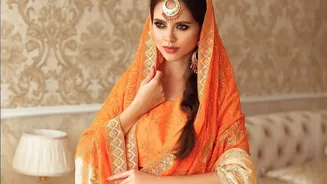
plain salwar kameez or kurta set as a blank canvas. A neutral base in a colour like white, ivory, beige, or black is the most versatile foundation you can own. Now, think of a dupatta not as a matching accessory but as the main event. A heavily embroidered Phulkari, a richly woven Banarasi, or a vibrant Bandhani dupatta can completely transform a simple outfit. The trick is to let one piece lead. When your dupatta is intricate and colourful, the suit beneath it should be quiet, allowing the craftsmanship of the drape to take centre stage. This simple switch turns a basic daily-wear outfit into something festive and intentional.
Mastering the Art of Contrast
Colour theory is your best friend when swapping dupattas. The most striking combinations often come from using complementary colours—shades that sit opposite each other on the colour wheel. Think of a navy blue suit paired with a bright orange or mustard dupatta, or a traditional green suit elevated by a rich red or maroon one. This creates a high-energy, festive look. For a more subtle and harmonious feel, you can use analogous colours, which are neighbours on the colour wheel, like pairing a blue suit with a teal dupatta. When in doubt, a bold, colourful dupatta against a neutral white, black, or beige suit is an elegant and foolproof approach.
A Lesson in Texture and Fabric
Mixing fabrics adds a layer of sophistication and depth to an outfit. A plain cotton or rayon suit, which is valued for its comfort and breathability, can be instantly dressed up with the right fabric pairing. Consider adding a luxurious silk, Chanderi, or organza dupatta. The smooth, rich texture of a Banarasi silk dupatta provides a beautiful contrast to the matte finish of a simple cotton kurta. Similarly, the sheer, lightweight quality of a Chanderi or organza dupatta adds an ethereal, dressy feel without adding bulk. During winter months, a velvet dupatta can add warmth and a regal touch to a simple silk or woollen suit, making it perfect for evening events and weddings.
Dressing for the Occasion
A single kurta set can be styled for multiple occasions just by changing the dupatta. For daily wear or a casual office look, pair your suit with a simple cotton, linen, or georgette dupatta. You can drape it neatly over one shoulder for a polished, practical style. For a festive celebration like Diwali or a friend's sangeet, switch to a heavily embroidered or handwoven piece. A Banarasi silk or a vibrant Phulkari dupatta signals celebration. For weddings and formal events, a dupatta with zari work, sequins, or dense embroidery in a jewel tone like emerald, ruby, or sapphire lends an air of luxury and formality.
Beyond the Drape: New Ways to Style
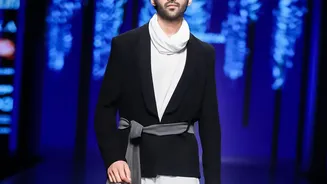
How you wear your dupatta can also change the entire look. Instead of the classic one-shoulder drape, try a new style. For a modern, structured silhouette, use a thin belt to cinch the dupatta at your waist. This is a great way to highlight your waist and keep the dupatta in place. For a more traditional and regal appearance, especially with handloom dupattas, try the double-pleated shoulder drape, which showcases the embroidery beautifully. You can even create an Indo-western look by styling a lightweight dupatta like a scarf with jeans and a long kurta, or by draping it like a cape over a simple dress.