






The Monsoon's Allure and Its Dangers
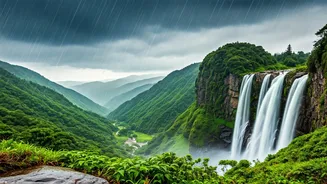
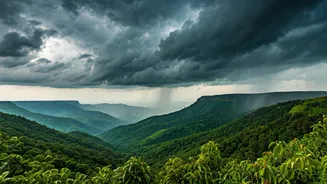
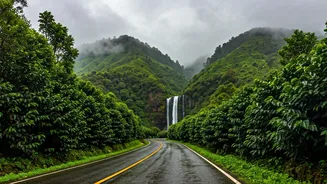
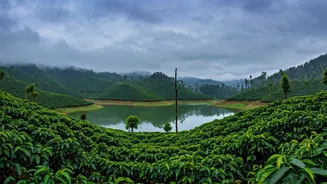
The period between June and September transforms Sakleshpur and the wider Malnad region into a verdant paradise. Waterfalls are in full flow and the landscape is breathtakingly green, attracting tourists, particularly from Bengaluru, for weekend getaways.
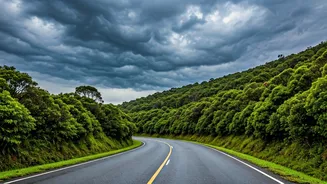
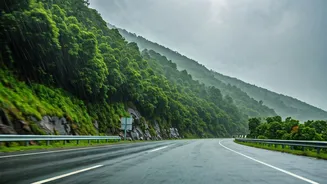
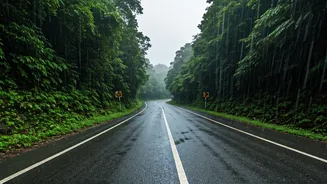
However, this seasonal beauty comes with a price. The Western Ghats terrain, characterized by steep hills and ghat sections, becomes highly vulnerable during heavy downpours. The soil loosens, leading to an increased risk of landslides and mudslides, which can turn a scenic drive into a dangerous situation without warning.
Current Weather Alerts and Advisories
The India Meteorological Department (IMD) has been actively issuing alerts for Karnataka's coastal and Malnad regions. As of late June 2026, an orange alert has been issued for coastal districts, warning of widespread heavy rainfall and strong winds. Hassan, the district where Sakleshpur is located, has been forecasted to receive heavy rain. Authorities have been advising the public and tourists to exercise caution, avoid entering rivers or water bodies, and stay vigilant about the risk of landslides in vulnerable areas. Though June saw a deficit in rainfall in Hassan overall, the monsoon is expected to intensify, making the coming weeks crucial for traveler safety.
Navigating the Ghats: Key Routes and Risks
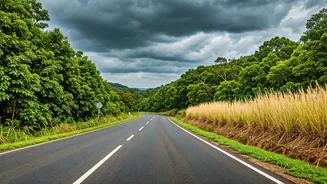
The primary arteries connecting Sakleshpur, like the Shiradi Ghat on NH-75, are notoriously prone to monsoon disruptions. Recent history is filled with incidents of landslides causing significant traffic blockages. In late June 2025, for instance, a landslide near Marehanalli on the Shiradi Ghat completely halted traffic between Bengaluru and Mangaluru, forcing authorities to reroute vehicles via the Charmadi Ghat. Such incidents often leave vehicles stranded for hours. Other routes like the Bisle Ghat, which provides a scenic connection, are also frequently closed for repairs or due to landslides during heavy rains. Authorities advise travelers to constantly monitor official updates, as ghat roads can be closed with little notice.
Your Essential Monsoon Travel Checklist
If a trip to Sakleshpur is unavoidable, preparation is key. Before you leave, check the latest weather forecasts from the IMD and advisories from the Karnataka State Natural Disaster Monitoring Centre (KSNDMC). Inform family or friends of your itinerary. Avoid travelling on ghat roads at night, when visibility is poor and the risk of unspotted hazards is higher. Your vehicle should be in top condition, with functional wipers, tyres with good grip, and fog lights. Pack an emergency kit containing a power bank, a first-aid kit, a torch, and some non-perishable snacks and water. It is also wise to opt for hotels with flexible booking policies in case you need to cancel or postpone your trip due to weather alerts.
Rethinking Your Plans: Safer Alternatives
During periods of red or orange alerts, the safest option is often to postpone your trip to the ghats. Continuous heavy rain not only increases landslide risk but also makes popular activities like trekking and visiting waterfalls dangerous due to slippery trails and sudden surges in water levels. If you are keen on a getaway, consider destinations on the plains or in less rain-affected parts of the state. Historic sites can offer a safer, drier experience. The beauty of the Western Ghats will still be there when the weather is more forgiving. Prioritizing personal safety over a risky adventure is always the smarter choice.