




You can finish two different workout classes and have wildly different reactions. One leaves you breathless and buzzing with energy, the other leaves your muscles trembling. Understanding why comes down to Zumba’s cardio focus versus Barre’s endurance
test.
The Heart of the Matter: Cardiovascular Endurance
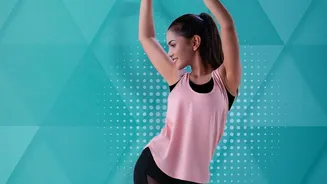
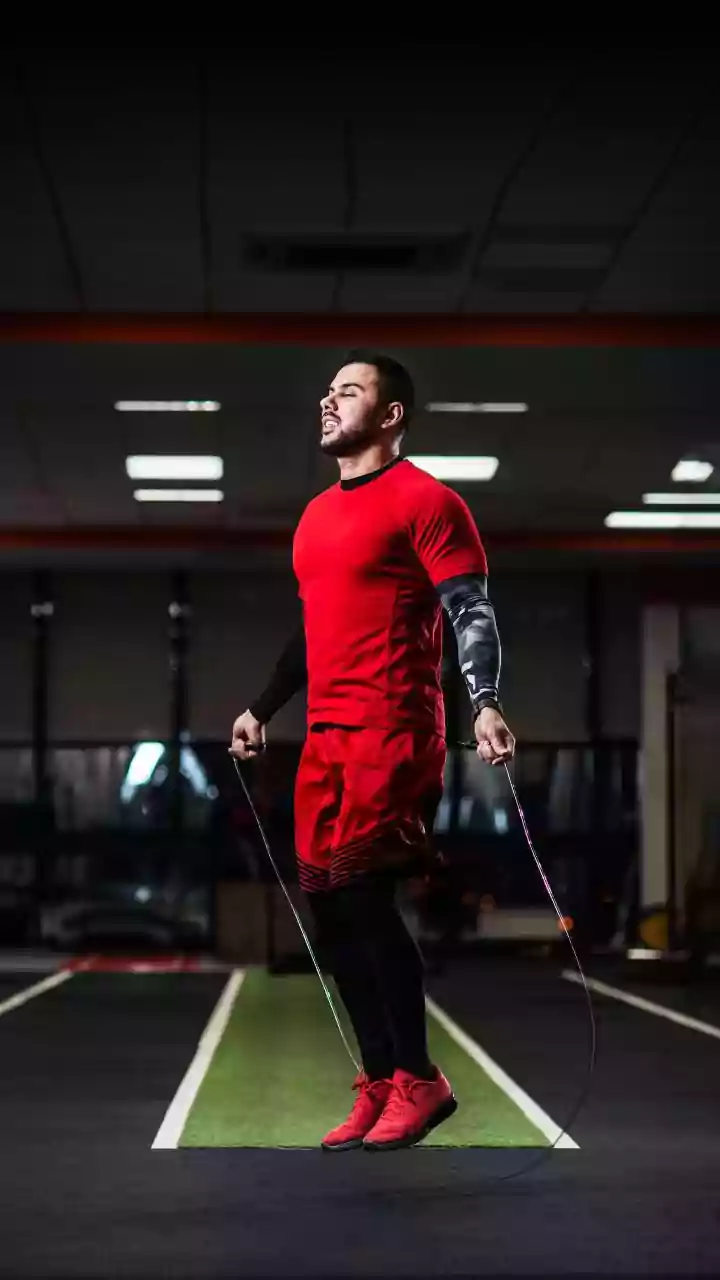
At its core, a workout like Zumba is designed to challenge your cardiovascular system. Think of it as training for your heart and lungs. The goal is to get your heart rate up and keep it there through sustained, rhythmic activity. Zumba accomplishes this with a party-like atmosphere, using Latin-inspired dance moves that alternate between high and low intensity. This interval-style approach is highly effective for improving aerobic fitness, which is your body's ability to use oxygen efficiently during prolonged exercise. The feeling of being 'winded' or out of breath is a direct sign that your cardiovascular system is being pushed. While your muscles are working hard, the primary limiting factor is often how efficiently your heart and lungs can deliver oxygenated blood.
The Slow Burn: Muscular Endurance
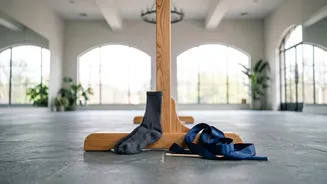
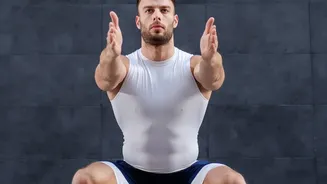
Barre takes a fundamentally different approach. Inspired by ballet, Pilates, and yoga, it focuses on muscular endurance. This is the ability of a specific muscle or muscle group to exert force repeatedly over time. Instead of large, sweeping movements, Barre classes utilize small, controlled motions, often called pulses, and isometric holds. An isometric contraction is when a muscle is under tension without changing length—think holding a plank or a deep plié squat. This method is designed to work muscles to the point of fatigue. That infamous 'barre shake' you might experience is a sign that your muscle fibers, including the deep stabilizer muscles you don't always use, have reached their limit. Your nervous system starts recruiting additional fibers to maintain the position, causing the trembling sensation.
Zumba: The High-Energy Dance Party
A typical Zumba class feels like a celebration. The music is loud, the energy is high, and the focus is on continuous, full-body movement. You’ll move through various dance styles, from salsa to reggaeton, in routines that are easy to follow but keep your heart rate elevated. Because it’s a form of interval training, you’ll have moments of peak intensity followed by slightly less intense recovery periods, all while still dancing. This structure is excellent for calorie burning; some studies suggest you can burn between 300 and 900 calories in an hour-long class. The feeling after Zumba is often one of exhilaration and cardiovascular accomplishment. You’ve challenged your heart, improved your coordination, and likely didn’t even feel like you were exercising.
Barre: The Study in Control and Fatigue
In contrast, a Barre class feels more focused and precise. Using a ballet barre for support, you’ll be guided through sequences that isolate specific muscle groups like your glutes, thighs, and core. The challenge isn't about breathlessness, but about pushing through the deep burn in your muscles. The small, repetitive movements and long holds are designed to fatigue muscles to the point where they begin to shake, a signal that you are building strength and endurance in a very targeted way. While it is a low-impact workout, the intensity is surprisingly high, stemming from the sustained muscle engagement rather than cardio demand. After a Barre class, you might not feel breathless, but you'll likely feel a deep sense of muscular fatigue and may experience soreness in the following days as your muscles repair and grow stronger.
So, Which Is a ‘Harder’ Workout?
This is the million-dollar question, and the answer is entirely personal. 'Hard' can mean different things. If your cardiovascular fitness is your weakness, you might find Zumba’s relentless pace more challenging. If you lack muscular endurance, holding a plié for what feels like an eternity in Barre will feel much harder. Zumba is generally better for pure calorie burn and improving heart health. Barre excels at building lean muscle tone, improving posture, and increasing stability and flexibility with minimal impact on your joints. One isn't inherently 'better' than the other; they simply train the body in different, complementary ways.