



An Invisible Planetary Shield
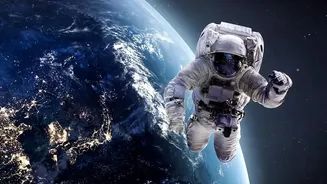
Generated deep within Earth's molten outer core, the magnetic field extends tens of thousands of kilometres into space, forming a protective bubble called the magnetosphere. We don't see or feel it, but this field is constantly working, deflecting the vast
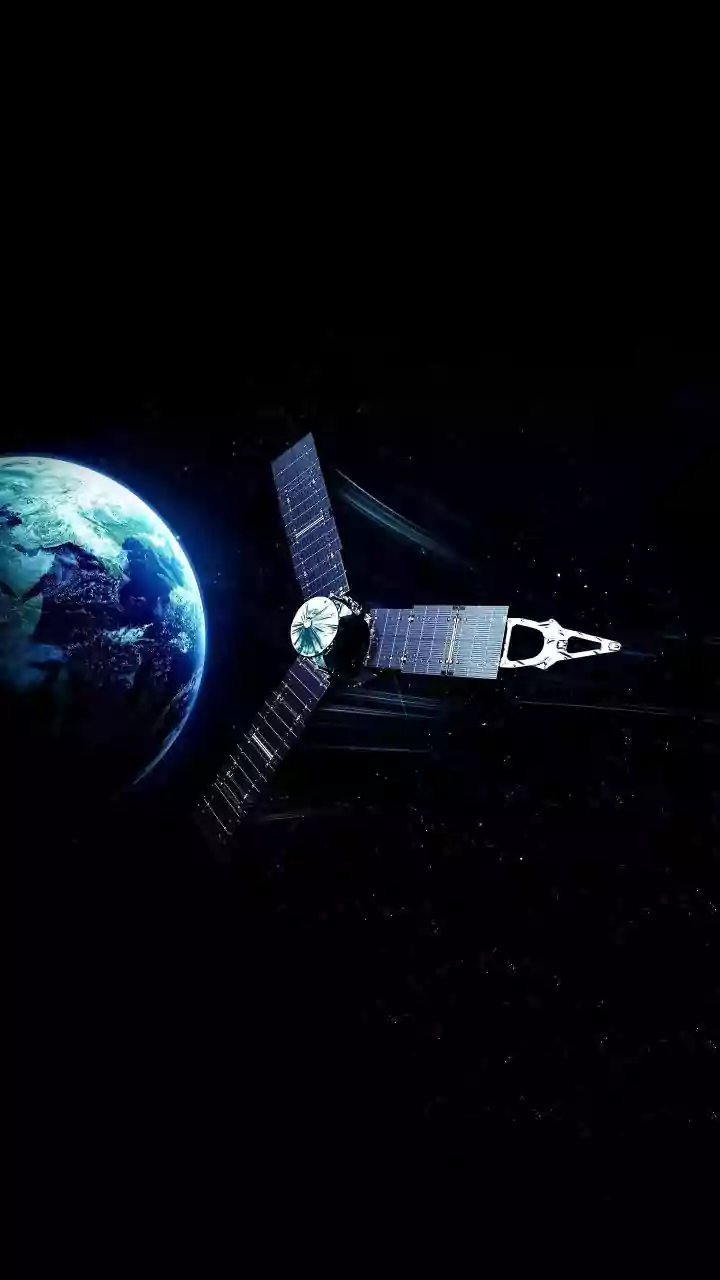
majority of charged particles that stream from the sun. Without it, this solar wind would strip away our atmosphere, including the ozone layer that protects us from harmful ultraviolet rays. Life as we know it would be impossible. Astronauts in low-Earth orbit, like those on the International Space Station (ISS), are still largely within this protective zone.
Space Isn't Empty, It's Radiating
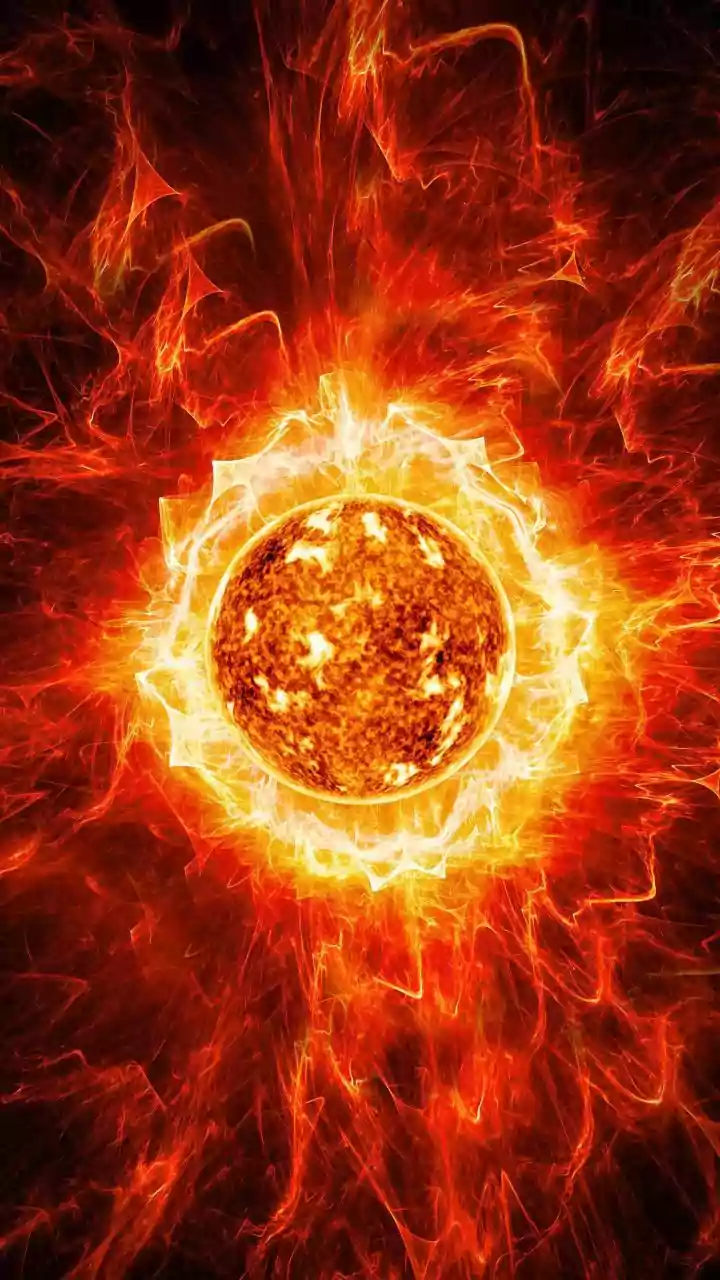
Beyond the magnetosphere, space is an incredibly harsh environment. It's flooded with two main types of dangerous radiation. The first is a constant shower of galactic cosmic rays (GCRs), which are high-energy particles from distant supernovae and other cosmic events. The second threat comes from our own sun, which can unleash solar particle events (SPEs) and coronal mass ejections (CMEs). These are sudden, violent bursts of radiation that can be lethal to an unprotected astronaut. This radiation can penetrate the human body, damaging DNA, increasing the long-term risk of cancer, and potentially causing heart disease or central nervous system damage.
The Risks of Venturing Further
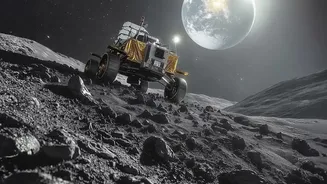
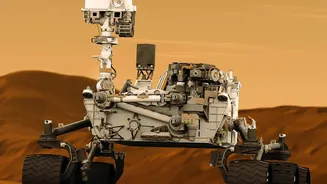
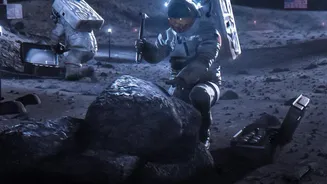
For missions to the Moon and Mars, astronauts must leave the relative safety of the magnetosphere. This dramatically increases their exposure. A mission to Mars could expose astronauts to radiation levels that exceed their career limits. While Earth's magnetic field deflects most charged particles, bodies like the Moon and Mars have no global magnetic field to protect them. An astronaut on the lunar surface during a major solar storm could receive a lethal dose of radiation in a short time. This is why understanding the magnetic field—knowing exactly where its protection wanes—is the first step in planning for deep-space missions.
Shielding Our Modern Explorers
Space agencies like NASA and ISRO cannot replicate Earth's massive magnetic field, so they rely on a multi-layered strategy of prediction, protection, and planning. The first layer is forecasting. Agencies constantly monitor the sun for solar flares and CMEs, giving astronauts precious time to take shelter. The second layer is physical shielding. Modern spacecraft like the Orion capsule, designed for Artemis missions, use materials rich in hydrogen (like plastics, water, and even food stores) to block or slow down radiation particles. Astronauts also wear personal dosimeters to track their individual exposure in real-time.
Creating Safe Havens in Space
In the event of a predicted solar storm, astronauts on a deep-space mission won't just hope their ship's hull is enough. They are trained to create a 'storm shelter'. This involves reconfiguring the spacecraft's cabin, moving dense equipment and cargo bags to line the walls of a central area, creating a more heavily shielded location where they can wait out the event. For extra-vehicular activities (EVAs), or spacewalks, timing is critical. These are scheduled to avoid predicted solar activity, following a principle known as ALARA: As Low As Reasonably Achievable exposure. If a storm erupts unexpectedly, spacewalks are immediately ended.