

The Lithium Bottleneck
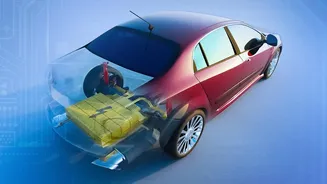
At the heart of nearly every electric vehicle today is a lithium-ion battery. This technology has been a game-changer, but it has a significant drawback: its key ingredients, namely lithium and cobalt, are expensive, geographically concentrated, and subject
to volatile pricing. This reliance on imported, scarce materials directly translates to a higher sticker price for the electric scooters and motorcycles that are becoming increasingly popular on Indian roads. As demand for EVs surges globally, the strain on these supply chains is only expected to grow, making the hunt for a cheaper, more abundant alternative more critical than ever.
Enter Sodium: The Salt-Powered Solution
The most promising alternative is the sodium-ion battery. Instead of lithium, these batteries use sodium, a material that is over a thousand times more abundant and can be sourced from common salt. This dramatically lowers the cost of raw materials. Several Indian companies, like Indi Energy and GODI, are already developing this technology, aiming to create a domestic supply chain and reduce India's dependency on imported battery components. Some firms are even innovating by using agricultural waste to produce hard carbon for the battery's anode, turning a pollution problem into a sustainable solution. This not only promises a lower cost but also aligns with 'Atmanirbhar Bharat' goals, making energy storage self-reliant.
The Silicon Boost for Performance
While sodium-ion batteries excel on cost, they have historically lagged behind lithium-ion in energy density, which means a shorter range for the vehicle. This is where silicon comes in. By incorporating silicon into the battery's anode—the component that stores ions during charging—manufacturers can significantly boost performance. Silicon has a remarkable theoretical capacity to store energy, potentially up to ten times more than the graphite used in today's batteries. While pure silicon has challenges, researchers are developing advanced silicon-carbon composites and nanostructures that improve energy density, charging speed, and overall stability, helping to close the performance gap with their lithium-based cousins.
The New Cost vs. Performance Trade-Off
Combining sodium-ion chemistry with silicon anode technology creates a compelling package for urban commuters. The primary advantage is a significantly lower production cost, with some estimates placing sodium-ion cells at around $50-$56 per kWh. Beyond cost, these batteries offer major safety benefits, with better thermal stability and a lower risk of fire. They also perform exceptionally well in cold weather, an area where lithium-ion batteries often struggle. The trade-off has traditionally been in energy density. However, first-generation commercial sodium-ion cells are already approaching the energy density of the more affordable LFP lithium-ion batteries, making them a viable option for two-wheelers where extreme range isn't always the top priority.
What This Means for Your Next Electric Scooter
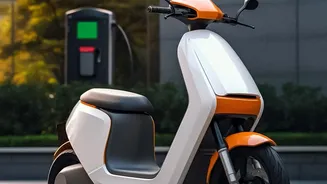
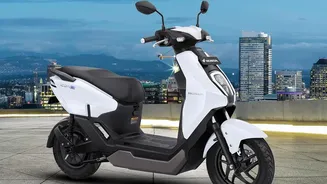
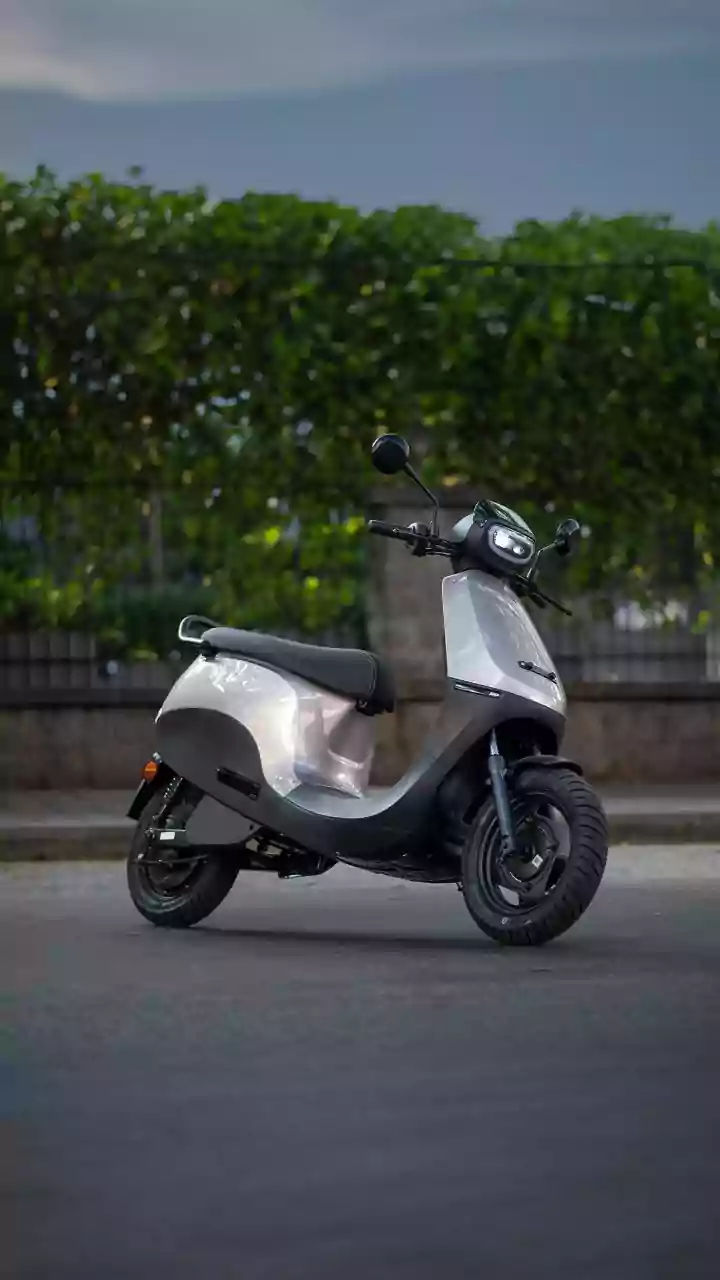
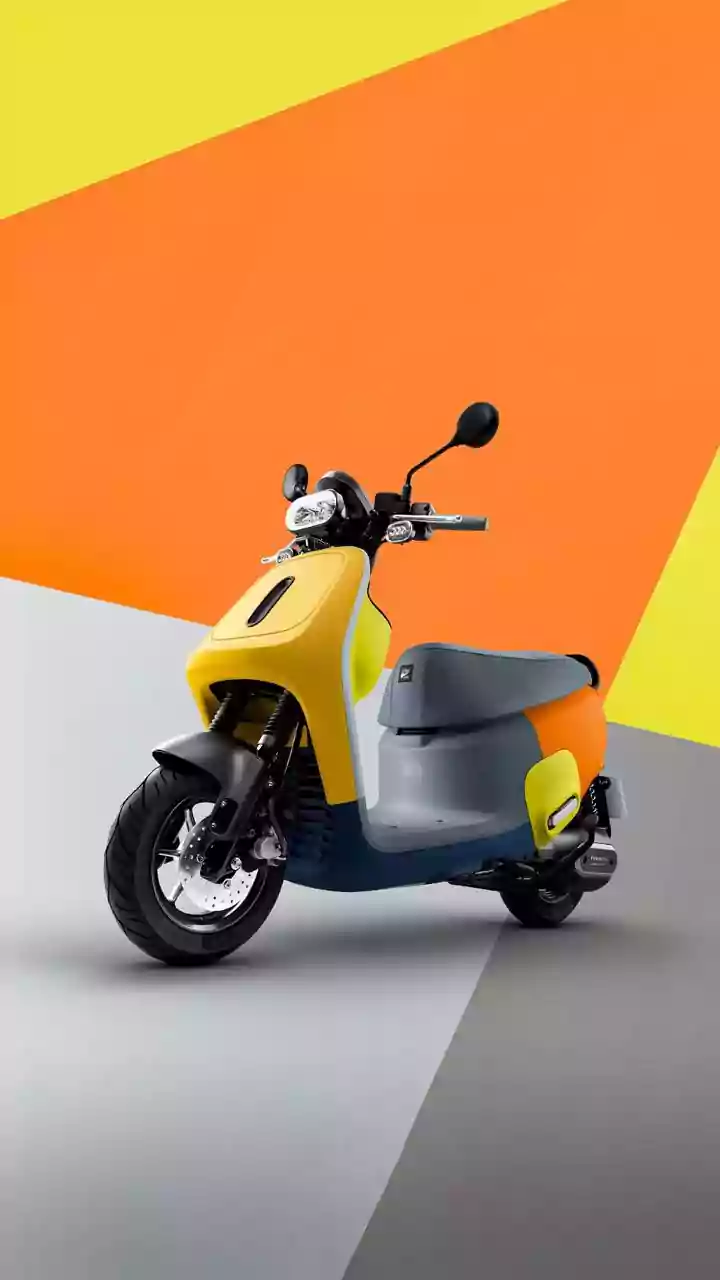
For the average Indian commuter, this technological shift could be transformative. The lower cost of sodium-ion batteries could reduce the upfront purchase price of electric two-wheelers, making them accessible to a much wider audience. Nashik-based manufacturer Jitendra New EV Tech, for example, plans to launch two-wheelers powered by indigenous sodium-ion batteries by early 2026. While early models might offer a slightly more modest range compared to high-end lithium-ion scooters, their suitability for daily city commutes, coupled with faster charging capabilities and enhanced safety, presents a powerful value proposition. This technology is not aimed at replacing high-performance EVs overnight, but at conquering the mass market for affordable, practical urban mobility.