




The N2: Portugal's Route 66
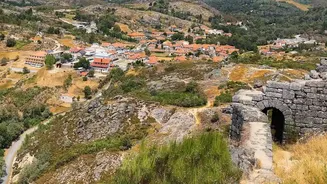
For the ultimate cross-country adventure, look no further than the Estrada Nacional 2 (N2). Stretching over 730 kilometers, it's one of the few roads in the world that traverses an entire country, from the Roman town of Chaves in the north to the coastal
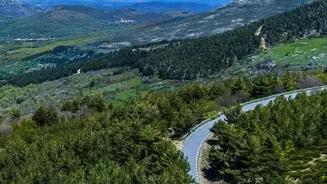
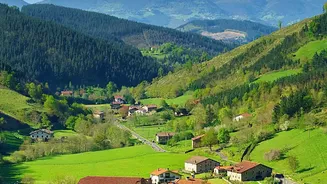
city of Faro in the south. Often compared to America's Route 66, the N2 is a journey through Portugal's diverse soul. The drive begins with challenging hairpin bends through the mountainous landscapes of the north, transitioning into the terraced vineyards of the Douro region. As you head south, the terrain softens into the rolling hills of the Ribatejo and the vast, sun-drenched plains of the Alentejo, dotted with ancient olive and cork trees. While the entire drive can technically be done in about 11 hours, the real joy is in taking it slow over several days, stopping in characterful towns like Lamego, Viseu, and Montemor-o-Novo. Many travellers get a special 'N2 passport' to collect stamps at tourist offices along the way, turning the drive into a memorable quest.
The Douro Valley's N222 Wine Route
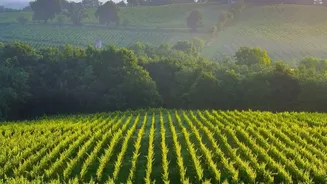
Widely regarded as one of the world's most beautiful driving roads, the N222 offers an unforgettable journey through the heart of a UNESCO World Heritage Site. The most celebrated section runs between Peso da Régua and the picturesque town of Pinhão, closely following the winding path of the Douro River. Here, the landscape is a breathtaking tapestry of steep, terraced vineyards that have been carved by hand over centuries. A car gives you the freedom to stop at countless 'miradouros' (viewpoints), visit family-run wineries known as 'quintas' for tastings, and explore quiet riverside villages that river cruises often miss. Key stops include Peso da Régua, home to the excellent Museu do Douro, and Pinhão, which is perfectly set on the river banks amidst the vine-covered hills. For an even more dramatic view, take the winding N322 north from Pinhão towards Vale de Mendiz. The best times to visit are in the spring (April-June) for lush green landscapes or September and October for the vibrant colours of the grape harvest.
The Alentejo's Plains and Hilltop Villages
The Alentejo region, making up nearly a third of Portugal, offers a completely different driving experience defined by wide-open spaces and a slower pace of life. This is the land of sun-kissed wheat fields, ancient cork oak forests, and whitewashed villages perched on craggy hilltops. A rental car is essential here, as the true magic lies beyond the main towns. A classic route starts in the historic city of Évora, a UNESCO site, before heading east towards the stunning fortified village of Monsaraz, which offers panoramic views over the Alqueva reservoir. From there, you can explore other gems like the marble towns of Estremoz and Vila Viçosa or head south to the wonderfully preserved Moorish town of Mértola on the Guadiana river. This region is about slowing down, enjoying the immense landscapes, and savouring the rich local cuisine and wines. Avoid the intense heat of July and August inland; the best seasons for an Alentejo road trip are late spring and early autumn.
The Wild Atlantic: Costa Vicentina
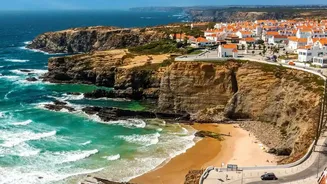
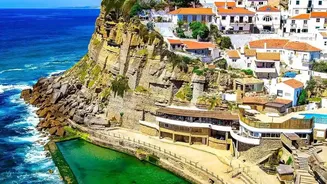
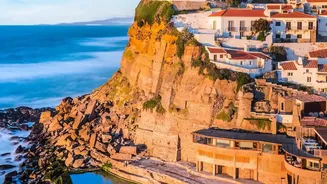
For a taste of Portugal's rugged, untamed coastline, the route through the Parque Natural do Sudoeste Alentejano e Costa Vicentina is unparalleled. This protected stretch of coast runs from Sines in the Alentejo down to Sagres at the southwestern tip of Europe. The drive is defined by dramatic black cliffs, vast empty beaches, and the constant presence of the Atlantic Ocean. The N120 and N268 are the main roads that thread through this region, connecting charming seaside towns like Porto Covo, Zambujeiro do Mar, and Odeceixe. This area is also famous for the Rota Vicentina, a network of walking trails, and many sections of the 'Fishermen's Trail' can be enjoyed as short hikes from your car. The best times to visit are May and June, when wildflowers cover the cliffs, or September when the summer crowds have thinned but the water is still pleasant.