





The results of the 2026 US midterm elections are in, ushering in a new era of divided government in Washington. With Democrats taking control of Congress, the legislative agenda faces a powerful check: the presidential veto.
A New Balance of Power
The November 2026 midterm elections
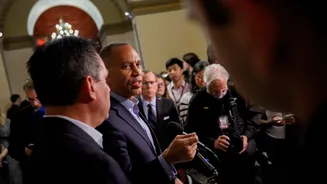
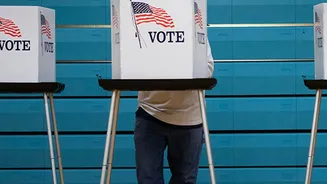
delivered a significant shift in the American political landscape, with the Democratic party securing majorities in both the House of Representatives and the Senate. This outcome marks the end of unified Republican control in Washington and introduces a divided government for the remaining two years of the presidential term. While Democrats now have the power to pass legislation, launch investigations, and control federal spending, their agenda will inevitably collide with the executive branch. The president has already signalled a willingness to use the veto, even posting a picture of a red cap with the word 'VETO' on social media as results came in, creating a dynamic where negotiation, compromise, or outright gridlock will define the next two years.
The Veto: A President's Strongest Tool
So, what exactly is the presidential veto? Outlined in the U.S. Constitution, it is one of the most significant powers a president has to influence lawmaking. When Congress passes a bill, it is sent to the president, who has 10 days to act. The president can sign it into law or veto it by returning it unsigned with objections. Congress can override a veto, but it’s a difficult task, requiring a two-thirds supermajority vote in both the House and the Senate. Given the current Democratic margins, reaching this high threshold is highly unlikely on most legislation. There's also the 'pocket veto', where a president can kill a bill by simply not signing it if Congress adjourns within the 10-day period. The mere threat of a veto can be just as powerful, often forcing lawmakers to change a bill before it even reaches the president's desk.
Why Markets Often Welcome Gridlock
For global markets, the prospect of political gridlock isn't necessarily bad news. In fact, many investors welcome it. The reasoning is straightforward: a divided government makes it much harder to pass sweeping, disruptive legislation related to taxes, regulation, or spending. This reduces policy uncertainty, which markets dislike. Predictability, even if it stems from inaction, allows investors and corporations to plan with greater confidence. Following the midterm results, global stock markets rallied, with analysts pointing to the expected legislative stalemate as a primary driver. This suggests that investors are less concerned about a lack of new laws and more relieved that the existing economic framework is unlikely to undergo radical changes.
The Risks of a Standoff
However, a government at standstill is not without its risks. While markets may cheer the blocking of major policy overhauls, gridlock can become dangerous when it comes to essential, must-pass legislation. The most prominent example is the debt ceiling, which sets the legal limit on how much money the U.S. government can borrow. A protracted fight over raising the debt ceiling could lead to a government shutdown or, in a worst-case scenario, a default on U.S. debt, which would have catastrophic consequences for the global financial system. Similarly, standoffs on government funding and budgets can introduce volatility and undermine economic confidence. While the veto serves as a check on power, its overuse in these critical areas could transform market-friendly stability into a highstaked economic crisis.