


Why Drainage Is Critical for Potted Plants
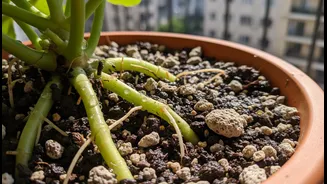
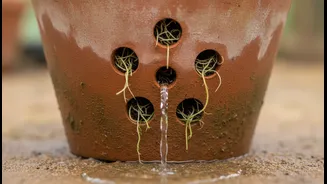
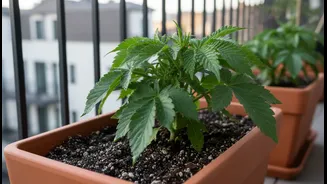
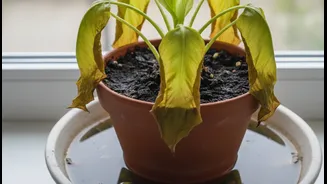
Proper drainage is the foundation of healthy container gardening. When water sits in a pot for too long, it saturates the soil, filling the air pockets that roots need to breathe. This lack of oxygen can quickly lead to root rot, a common and often fatal
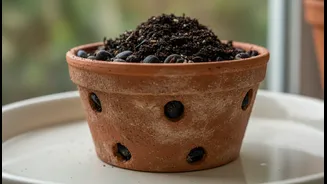
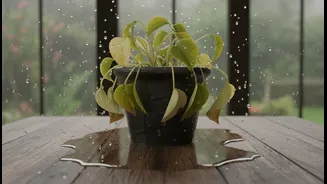
condition where roots turn brown, mushy, and can no longer absorb nutrients. For balcony gardens, which are directly exposed to seasonal downpours, ensuring excess water can escape freely is not just beneficial—it's essential for survival.
Introducing Coarse Sand: Not All Sand Is Equal
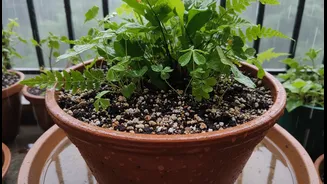
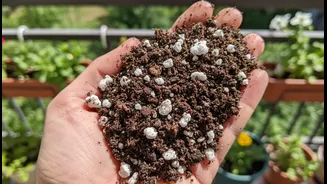
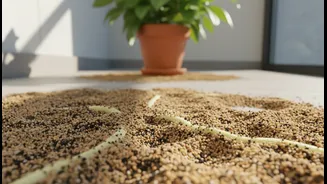
When we talk about adding sand to potting mix, it's crucial to specify the type. We are not talking about fine beach sand or children's play sand. These fine-particle sands can actually worsen the problem by clogging the pore spaces in the soil, creating a dense, concrete-like mixture that holds water. The hero here is coarse sand, also known as horticultural sand or builder's sand. This type of sand is composed of larger, sharp-edged granules that create, rather than fill, spaces in the soil.
The Science of Better Drainage
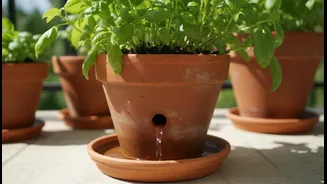
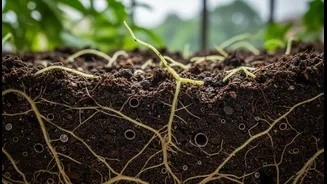
The magic of coarse sand lies in its ability to alter the physical structure of your potting mix. The large particles create bigger channels and air pockets within the soil. When it rains, these channels allow water to move through the pot more freely, pulled by gravity, instead of being held in the soil by capillary action. This process not only prevents waterlogging at the root zone but also improves aeration, allowing roots to access the oxygen they need for healthy growth and nutrient absorption.
How to Use Coarse Sand Correctly
To reap the benefits, you need to mix the coarse sand thoroughly into your potting soil, not just layer it at the bottom. A common myth suggests that a layer of gravel or sand at the bottom of a pot improves drainage, but this actually creates a 'perched water table'—an area of saturation that sits higher in the pot, closer to the roots. For a general-purpose mix, a good starting ratio is one part coarse sand to three or four parts potting soil. Plants that require exceptionally sharp drainage, like succulents and cacti, can benefit from a higher ratio, even up to 50% sand.
Are There Any Downsides or Alternatives?
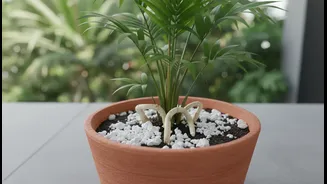
While effective, sand is heavy, which can be a consideration for balcony weight limits. It also provides no nutritional value, so it slightly dilutes the nutrients in your potting mix. For gardeners seeking a lighter alternative, perlite is an excellent choice. This lightweight volcanic glass is extremely porous and provides superb aeration and drainage, making it a popular component in commercial potting mixes. Some gardeners even use a combination of soil, perlite, and coarse sand to create a custom mix that balances moisture retention, drainage, and stability. Ultimately, the "ultimate" system often depends on your specific plants and conditions.