
High-Speed Internet: The Digital Lifeline
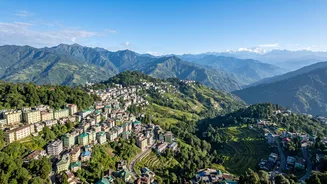
The primary concern for any digital nomad is connectivity, and Gangtok delivers surprisingly well. Gone are the days of unreliable internet in the mountains. Major providers like Jio and Airtel have rolled out their fibre-optic networks across the city,
offering high-speed plans that are more than sufficient for video calls, large file transfers, and streaming. Many Reddit users and local reviewers confirm that services like JioFiber and Airtel Xstream Fiber provide stable connections, a significant upgrade from older broadband options. When choosing accommodation, such as a homestay or a rental apartment, it's crucial to confirm they have a fibre connection. While mobile data from Jio and Airtel works well in the city center, having a dedicated broadband line is essential for uninterrupted work.
The Cafe Scene: Work with a View
Gangtok’s cafe culture is a boon for remote workers who prefer a change of scenery. From cozy nooks to bustling hangouts, there are plenty of options. Baker's Cafe on MG Marg is an institution, known for its fresh bakes, coffee, and stunning views, though it can get crowded. Cafe Fiction, also on MG Marg, offers a welcoming atmosphere and is a popular spot for both locals and tourists. For those needing a guaranteed work-friendly space, some cafes like Rachna Books offer free, fast internet with the purchase of coffee. Others, such as Bike and Cafe, have been reported to offer very high speeds, making them ideal for a productive afternoon. Many cafes are understanding of the need to work for a few hours, provided you are ordering periodically.
Immersing in Sikkimese Culture
Life in Gangtok is not just about work; it's an opportunity for deep cultural immersion. The local culture is a beautiful mix of Lepcha, Bhutia, and Nepali influences, with Buddhism shaping everyday life. As a long-stay visitor, you can explore beyond the main tourist trail. Visit serene monasteries like Rumtek and Enchey for quiet contemplation, or wander through the vibrant Lal Bazaar to experience local life. Food is a fantastic way to connect with the culture. Be sure to try local delicacies like thukpa, momos, and phagshapa. The people of Sikkim are known for their warm hospitality, and living in a homestay can provide an authentic experience. Also, keep an eye out for local festivals like Losar (Tibetan New Year) or Saga Dawa, which bring the city to life with colourful processions and masked dances.
Logistics: Accommodation, Costs, and Permits
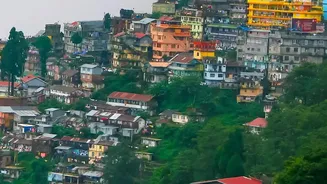
Setting up your base in Gangtok requires some planning. For accommodation, options range from modern apartments to traditional homestays. Homestays in areas like Development Area or Tadong are popular and can offer a more integrated experience. Rent for a one-bedroom apartment can range from ₹8,000 to ₹15,000 per month. The overall cost of living is relatively affordable compared to major Indian metro cities, though some necessities can be about 30% more expensive than in plains cities like Siliguri. For Indian citizens, no special permit is required to enter and stay in Gangtok. However, a Protected Area Permit (PAP) is needed to visit border areas like Tsomgo Lake and North Sikkim, which are popular weekend trips. Foreign nationals need a Restricted Area Permit (RAP) or Inner Line Permit (ILP) to enter Sikkim, which is usually valid for 30 days and can be extended.
Beyond Gangtok: The Rise of Nomad Villages
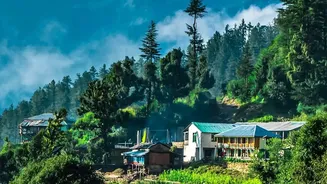
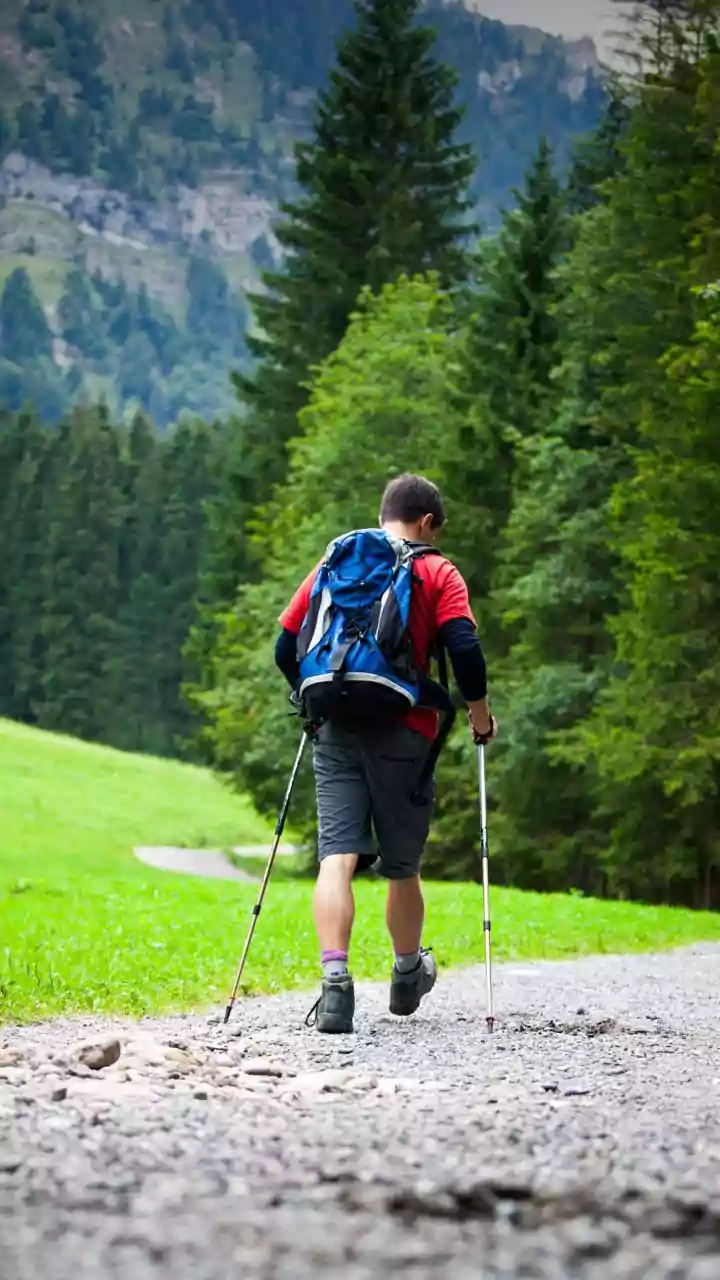
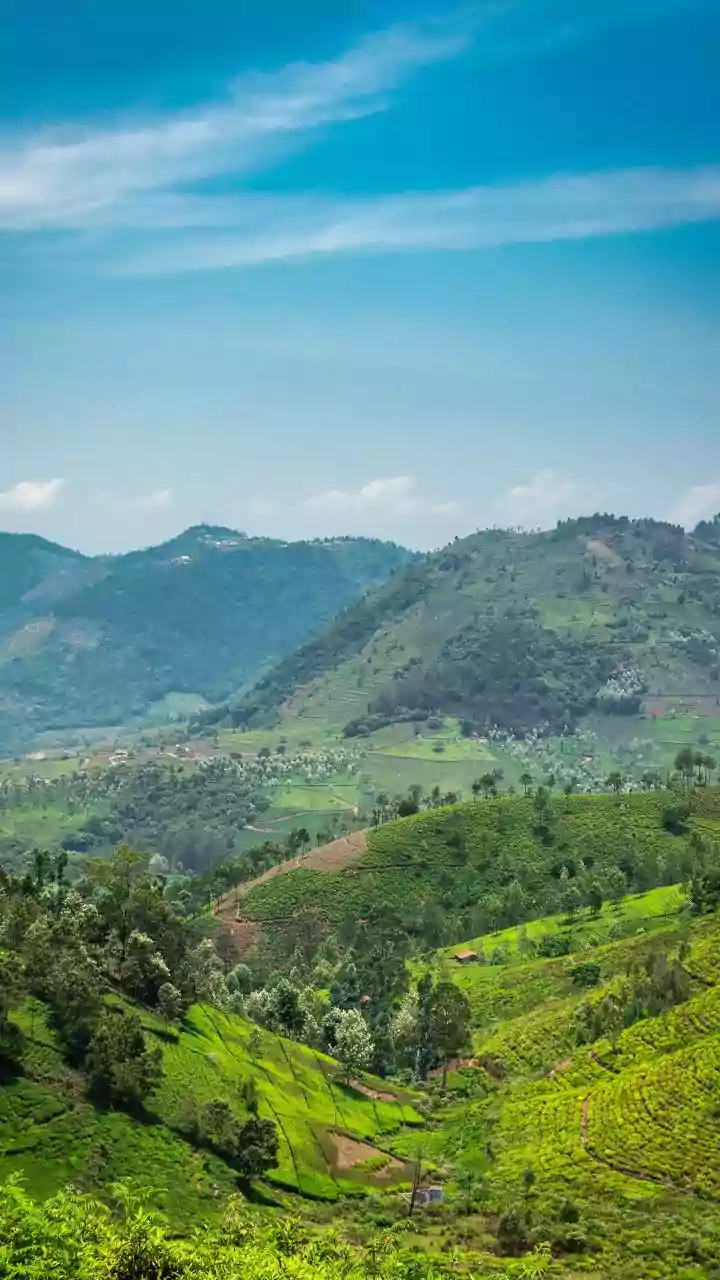
The digital nomad scene in Sikkim is expanding beyond the capital. Initiatives like 'Nomad Sikkim' are developing villages into dedicated remote work destinations. Yakten, a village near Pakyong airport and about 32 km from Gangtok, has become India's first official Digital Nomad Village. This project equips local homestays with reliable internet and workstations, allowing nomads to live and work in a rural setting while contributing to the local economy. These homestay-based models offer an even deeper cultural immersion, with hosts providing organic, home-cooked meals and opportunities to explore nature trails. This model is expanding to other districts, signalling a bright future for sustainable, community-integrated remote work in the Himalayas.