






1. Wage War on Mosquitoes
The monsoon season is prime breeding time for mosquitoes, the carriers of dangerous diseases like dengue, malaria, and chikungunya. Your first line of defence is eliminating their breeding grounds. Stagnant water is the enemy. Don't let water collect
in flower pots, old tyres, coolers, or any open containers around your home. Empty and clean these at least once a week. Inside, use mosquito nets, especially for children and the elderly. Apply mosquito repellent on exposed skin when you step out, particularly during dawn and dusk when Aedes and Anopheles mosquitoes are most active. Wearing light-coloured, full-sleeved clothing can also provide a physical barrier against bites.
2. Prioritise Safe Food and Water
Water-borne diseases such as typhoid, cholera, jaundice, and other gastrointestinal infections spike during the monsoon due to contamination of water sources. The simplest rule is to drink only boiled or properly filtered water. Avoid drinking from public taps or unverified sources. When it comes to food, be extra cautious. Wash all fruits and vegetables thoroughly, preferably with clean water and a pinch of salt or vinegar. It’s wise to limit or avoid street food, especially items like chaat, juices, and pre-cut fruits, as they can be prepared with contaminated water and exposed to flies. Eating freshly cooked, hot meals at home is your safest bet.
3. Fortify Your Immune System
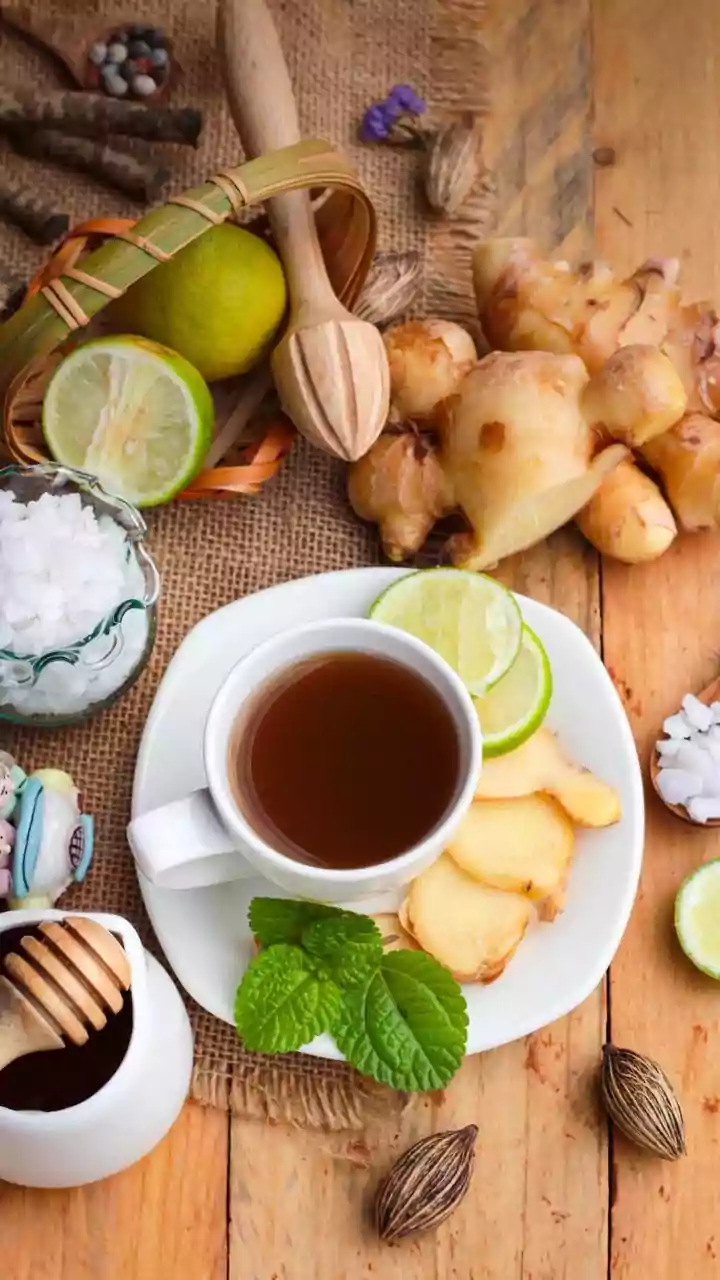
A strong immune system is your body’s best defence against the barrage of viruses and bacteria that thrive in the damp monsoon weather. Focus on a balanced diet rich in Vitamin C, which is known to boost immunity. Include citrus fruits like oranges and lemons, as well as amla and leafy green vegetables in your daily meals. Probiotic-rich foods like dahi (yoghurt) can improve gut health, which plays a crucial role in your overall immunity. Also, adding immunity-boosting spices like turmeric, ginger, and garlic to your cooking can be beneficial. Staying well-hydrated with warm herbal teas or soups can also help keep infections at bay.
4. Maintain Personal Hygiene Rigorously
Good hygiene becomes non-negotiable during the monsoon. The increased moisture in the air can lead to fungal and bacterial skin infections. Make it a habit to wash your hands with soap and water frequently, especially before meals and after coming home from outside. If you get caught in the rain, take a shower as soon as you get home and change into dry clothes to prevent fungal infections. Pay special attention to your feet. Avoid walking in puddles and dirty water. If your feet do get wet, wash them with soap and dry them thoroughly, especially between the toes, to prevent conditions like athlete's foot.
5. Keep Your Living Space Clean and Dry
Dampness inside the house can lead to the growth of mould and fungus, which can trigger allergies and respiratory problems. Ensure your home is well-ventilated to allow air to circulate freely. Check for any leaks in the roof or walls and get them fixed before the heavy rains start. Use dehumidifiers if your home tends to get very humid. Regularly clean and disinfect your home, paying close attention to bathrooms and kitchens. Damp clothes and shoes should be dried properly before being stored away to prevent them from becoming a breeding ground for germs.
6. Assemble a Monsoon Health Kit
Being prepared is half the battle won. Before the season begins, put together a basic health kit for your home. This should include essentials like antiseptic lotion, bandages for minor cuts and scrapes, and a thermometer. It's also a good idea to have oral rehydration solution (ORS) packets on hand to combat dehydration from diarrhoea or vomiting. Keep a basic pain reliever like paracetamol, but always consult a doctor before taking any medication, especially for a fever, as it could mask symptoms of a more serious illness like dengue. Having these items ready can help you manage minor health issues promptly at home.