




Understanding the FSSAI Mandate
The Food Safety and Standards Authority of India (FSSAI) is the governing body that sets the rules for food labelling. For pre-packaged foods, including boxes of sweets, the label is your most important guide. Every packaged food item must have a label that is clear,
legible, and in English or Hindi. This label must include an FSSAI logo and license number, a list of ingredients, nutritional information, and specific allergen declarations. The primary goal of these regulations is consumer safety, treating allergen labelling not just as a compliance checkbox but as a critical part of protecting public health.
Decoding the Allergen Declaration
FSSAI has mandated that eight major categories of allergens must be clearly declared on food packages. These are: cereals containing gluten (like wheat), milk and milk products, peanuts and tree nuts (such as cashews, almonds, pistachios), soy and soybeans, eggs, fish, crustaceans, and sulphites in a concentration of 10mg/kg or more. This information must be presented in a separate, clearly visible statement, often right below the ingredient list, for example, 'Contains: Wheat, Milk, Nuts'. Simply listing an allergen within the main ingredient list is not enough; it must be called out distinctly to alert consumers. Many labels will also voluntarily include a 'May Contain' statement to warn about potential cross-contamination if the product is made on equipment that handles other allergens.
Common Allergens in Indian Sweets
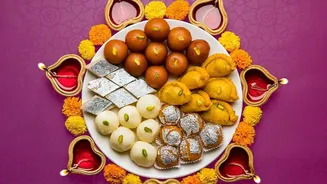
Indian sweets, or mithai, are delicious but often packed with common allergens. Milk, in the form of khoya, milk solids, paneer, and ghee, is the foundation of most traditional sweets like barfi, gulab jamun, and rasgulla. Nuts are also extremely prevalent; cashew paste is used to create creamy textures in gravies and sweets like kaju katli, while pistachios and almonds are used as garnishes. Gluten can be found in sweets made with wheat flour or semolina (sooji). Even besan (chickpea flour), used in ladoos, can be a concern for those with legume allergies or due to cross-contact with wheat in shared fryers.
Packaged Mithai vs. Loose Sweets
There's a significant difference in labelling requirements for pre-packaged sweets versus those sold loose from a counter at a local halwai. Pre-packaged boxes require a full, detailed label with all mandatory declarations. For loose sweets, the rules have been more fluid. FSSAI had previously made it mandatory for sellers to display a 'Best Before Date' on the tray, though a manufacturing date was optional. However, this national order was later withdrawn for further review, making the display of a 'Best Before Date' voluntary at the national level. Some states may still enforce their own local rules, so it is always wise to ask the seller for the freshest options available. When buying loose sweets, the responsibility falls more on the consumer to ask questions about ingredients, especially concerning nuts, dairy, and other allergens.
Beyond Allergens: What Else to Look For
Besides the main allergens, there are other ingredients to be mindful of. One is 'chandi ka varq' or edible silver leaf. FSSAI standards mandate that true varq must be at least 99.9% pure silver and must not be manufactured using any material of animal origin, a practice that was once common. Adulterated silver leaf can sometimes be replaced with aluminium, which is toxic. To check, you can rub a small piece of the foil between your fingers; pure silver leaf should disintegrate, while aluminium will roll into a small ball. Also, pay attention to the ingredient list in general. Ingredients are listed in descending order by weight. If sugar or palm oil are among the first three ingredients, you know what the sweet is primarily made of.
Tips for a Safe Festive Season
To ensure everyone enjoys the festivities without worry, adopt these simple habits. First, always read the label on packaged goods, paying special attention to the 'Contains' and 'May Contain' allergen statements. For loose sweets, don't hesitate to speak directly with the sweet maker or seller about the ingredients used. If you or a family member has a severe allergy, it is safest to stick to trusted brands or homemade sweets where you have full control over the ingredients. When in doubt, it is always better to politely decline a sweet than to risk a severe allergic reaction. Being informed and cautious allows everyone to celebrate the spirit of the festival safely.