



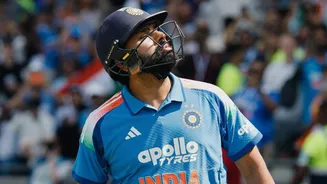



The Agony of Defeat
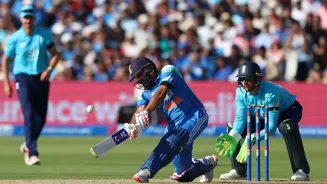
Losing to England in their own backyard is never easy, but the manner of the defeats in both the T20I and ODI series has been particularly galling for Indian fans. The batting unit, packed with talent, appeared brittle under pressure, and key strategic
calls on the field have been questioned. For a team with high expectations and a coach known for his win-at-all-costs mentality, falling short in both white-ball formats feels like a significant step backward. This isn’t just about one bad tour; it’s about whether the team is responding to Gambhir’s aggressive, demanding style or buckling under its weight. The backlash is understandable, as fans see a team that, on paper, should be competing for titles, not losing back-to-back series.
In Defence of the Coach
However, calling for the coach’s head after one poor away series is a classic knee-jerk reaction. Building a world-beating side is a marathon, not a sprint. Gambhir took charge with a clear mandate to instill a tougher, more resilient culture. This process takes time and often involves painful transitions. We must consider the context: English conditions are notoriously tricky, and key players might have been battling form or fatigue. Every coach, from Gary Kirsten to Rahul Dravid, has faced periods of intense scrutiny. As former players like Anil Kumble have noted, coaching the Indian team is a unique challenge that requires time to settle in and implement a long-term vision. Firing a coach based on a single series loss risks creating a cycle of instability that benefits no one.
The Gambhir Philosophy
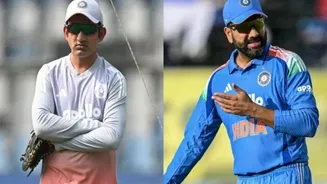
Gautam Gambhir’s coaching style is well-documented. During his successful mentorship stints with IPL franchises like Kolkata Knight Riders, he was known for providing immense clarity of roles and backing his players to the hilt, demanding a fearless brand of cricket. His philosophy is built on trust and creating a secure dressing room where players have the freedom to express themselves. This is a stark contrast to a more process-driven, calm approach seen under previous coaches. The current Indian setup is still adapting to this paradigm shift. Gambhir’s method is to empower players and hold them to a high standard of accountability, demanding an aggressive attitude from the very first ball. The question is not whether his philosophy is flawed, but whether the current crop of players has fully bought into it yet.
Patience Is a Virtue
A coach's true impact is measured over years, not weeks. It is measured in major tournaments, in the development of young talent, and in the team's ability to bounce back from adversity. Gambhir’s own journey has been defined by his fighting spirit, a quality he is determined to instill in the team. While the recent results are a cause for concern and warrant a review, they are not a definitive verdict on his tenure. The management and selectors hired him for his strong demeanour and his proven ability to build title-winning sides. They understood his methods were different and would require an adjustment period. Constant chopping and changing at the top create confusion and insecurity, the very things Gambhir has sought to eliminate in the teams he has managed.