



Mission Accomplished: A Pacific Splashdown
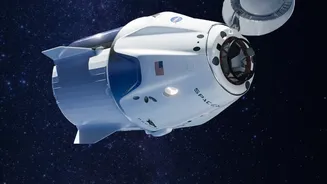
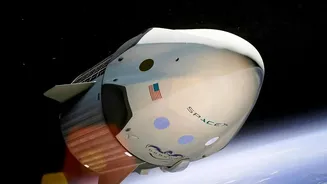
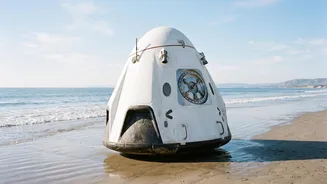
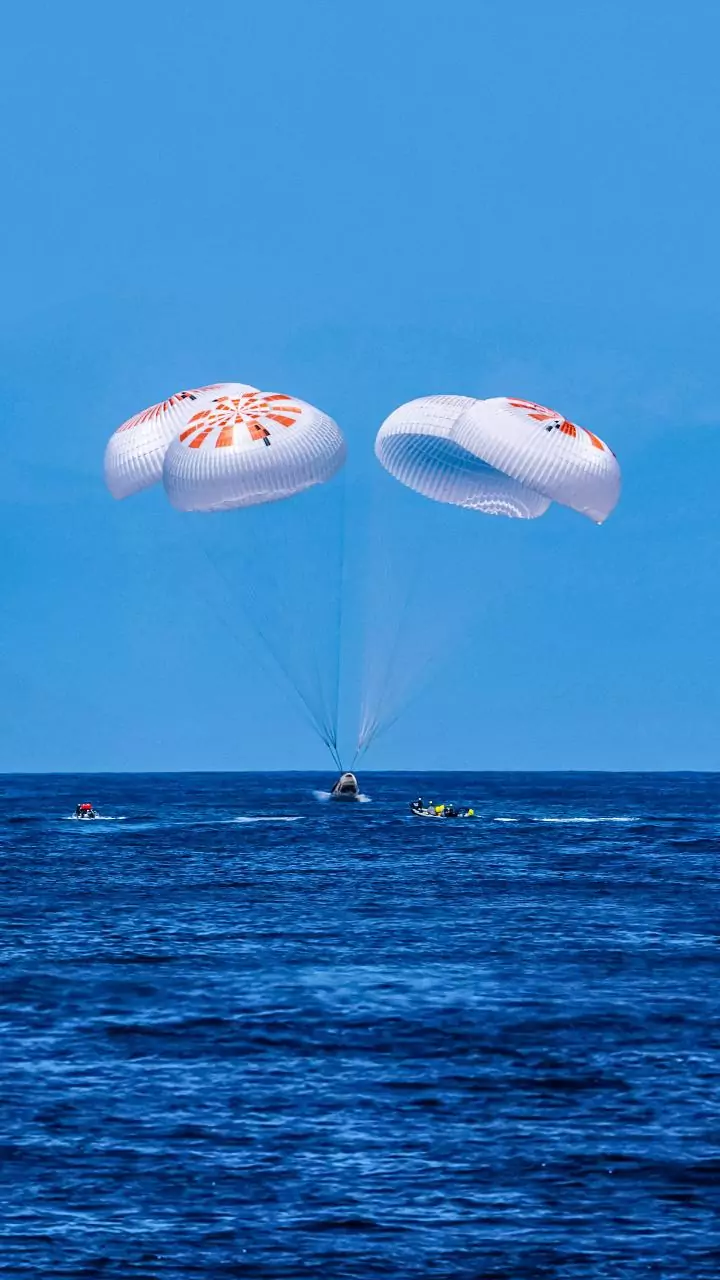
NASA has officially confirmed the successful end of the 35th Commercial Resupply Services (CRS-35) mission, operated by SpaceX. The uncrewed Dragon spacecraft splashed down in the Pacific Ocean off the coast of California on Saturday, November 21. The capsule
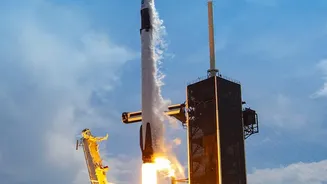
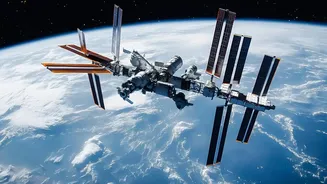
undocked from the International Space Station (ISS) on November 20, completing a journey that began with its launch from Florida on October 13. This return marks another milestone in the public-private partnership that keeps the orbiting laboratory stocked and productive. Unlike other cargo vehicles that burn up on reentry, the Dragon is designed for a safe return, making it the only spacecraft capable of bringing significant scientific payloads back to Earth intact.
Precious Cargo: The Science on Board
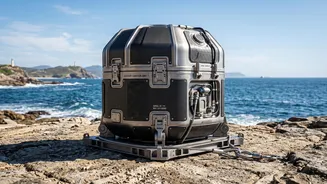
The real prize of the mission is the cargo nestled inside the capsule. Dragon returned with thousands of pounds of scientific research, much of it time-sensitive. Highlights from the return manifest include frozen tumor organoids that were treated with experimental drugs in space, which could help scientists identify new ways to improve cancer treatments. Also on board were 3D-bioprinted blood vessel constructs used to study cardiovascular disease and the aging process in a microgravity environment. By studying these samples on Earth, researchers hope to better understand diseases that affect millions of people.
Understanding Threats and Improving Health
Beyond cancer and heart disease, the returned samples aim to tackle other critical health challenges. Frozen microbial samples will be analyzed to understand how antibiotic-resistant bacteria, or 'superbugs', survive and evolve in the unique environment of space. This research could lead to better ways to protect astronauts on long-duration missions and provide insights into how superbugs develop on Earth. Additionally, the mission returned a specialized lighting system that was tested on the ISS for over three years. Researchers are studying its potential to improve astronauts' sleep cycles and well-being, a crucial factor for maintaining crew health and performance on future voyages to the Moon and Mars.
Why Microgravity Is a Game-Changer
Conducting these experiments on the ISS provides an advantage that cannot be replicated on Earth: the near-absence of gravity. Microgravity alters many biological and physical processes, allowing scientists to study phenomena that are normally masked by gravitational forces. For example, it allows for the growth of more complex three-dimensional cell cultures, like the returned tumor and brain organoids, which more closely resemble human tissues. This enables more accurate testing of drugs and a deeper understanding of fundamental cell biology, from crop disease to protein production. The ISS serves as a unique laboratory where we can learn not only how to live in space but also how to improve life on our own planet.
What Happens Next: A Race Against Time
With the Dragon capsule now recovered, the clock is ticking. Teams work quickly to transport the time-sensitive scientific samples to laboratories for analysis. The returned experiments, from bioprinted tissues to microbial cultures, will be distributed to research teams around the world. These scientists will now begin the detailed work of analyzing the data and comparing the space-flown samples to their Earth-based controls. The insights gained from the CRS-35 mission will feed into a continuous cycle of discovery, informing the next batch of experiments destined for the space station and helping to solve some of science's most pressing questions.