


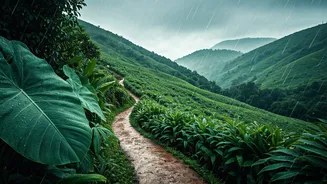


The Monsoon Magnet of Maharashtra
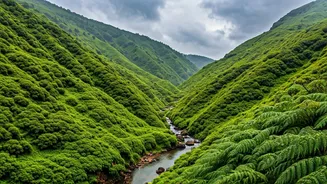
Nestled in the Sindhudurg district, Amboli Ghat is living up to its reputation as the ‘Cherrapunji of Maharashtra’ this monsoon. The region, which receives some of the highest rainfall in the state, has come alive, attracting scores of city dwellers seeking
respite. The period from June to September is considered the best time to visit, as the landscape transforms with gushing waterfalls and dense, lush vegetation. This seasonal rush turns the quiet hill station into a bustling hub for nature lovers, photographers, and anyone looking to witness the raw beauty of the Western Ghats in its full, rain-drenched glory. The atmosphere is electric, with the sound of roaring cascades and the sight of mist rolling over the hills creating a truly immersive natural spectacle.
What Makes the Waterfalls 'Green'?
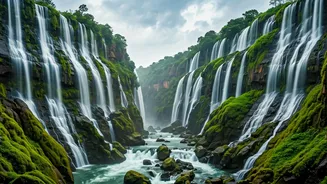
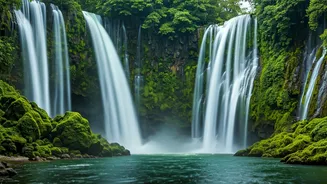
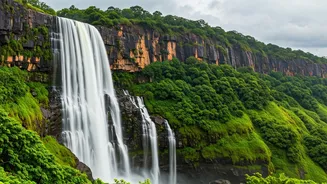
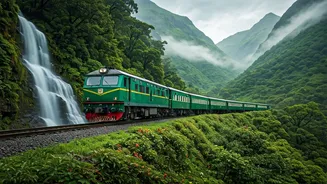
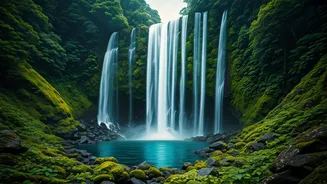
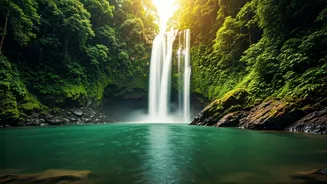
The term 'green waterfalls' doesn't refer to the colour of the water itself, but to the spectacular environment surrounding the cascades. During the monsoon, the heavy rains nurture a thick blanket of moss, ferns, and other vegetation on the rocks from which the water tumbles. This vibrant, living backdrop gives the waterfalls their signature 'green' appearance, making them look as if they are pouring out from the very heart of the lush forest. The main Amboli Ghat Waterfall, a prime attraction, is set amidst this dense greenery, creating a picturesque scene that draws photographers and tourists alike. The combination of the powerful white water against the deep green, mist-covered cliffs is the visual treat that defines the Amboli monsoon experience.
Your Guide from Mumbai
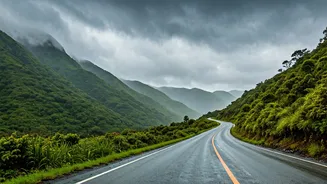
For travelers starting from Mumbai, Amboli Ghat is approximately a 490 km journey. By road, the trip can take between 8 to 11 hours, depending on traffic and monsoon conditions. The most common route follows the Mumbai-Pune Expressway before connecting to NH48. Alternatively, taking the Konkan Railway to the nearest station, Sawantwadi Road (around 30-37 km from Amboli), is a popular and scenic option. From Sawantwadi, taxis and local buses are readily available to take you up the winding ghat road to the hill station. Given the long distance, planning an overnight stay is highly recommended to fully enjoy the region.
The Quick Goan Getaway
For those in Goa, Amboli is a much more accessible destination, making it an ideal weekend trip. The distance from Panjim is about 90 km, and from Dabolim Airport, it's approximately 101 km. The drive by car is particularly scenic and can be completed in under two hours, taking you from the coastal plains into the misty highlands of the Ghats. There are also state transport and private buses that connect Goa to Amboli. Its proximity makes it a favoured escape for Goans and tourists in the state looking for a quick change of scenery, swapping beaches for mountains and waterfalls.
More Than Just Waterfalls
While the main falls are the star attraction, Amboli offers several other points of interest. Nangarta Falls, located in a narrow gorge about 10 km from the main town, is a powerful and dramatic sight. The Hiranyakeshi Temple, believed to be the origin point of the Hiranyakeshi River, offers a mix of spirituality and natural beauty. For panoramic views, head to Mahadevgad Point or Kavlesad Point, where you might even witness a 'reverse waterfall'—an optical illusion caused by strong winds pushing water upwards. Nature enthusiasts can also explore the rich biodiversity through jungle walks, keeping an eye out for unique species like the Malabar gliding frog.
Tips for a Safe and Memorable Trip
Visiting Amboli during the peak monsoon requires some preparation. The roads and walking paths near waterfalls can be extremely slippery, so sturdy, water-resistant footwear is essential. Given the area's popularity, especially on weekends, expect significant crowds. To avoid the rush, try visiting on a weekday or early in the morning. Always carry rain gear and be prepared for sudden downpours. Mobile network connectivity can be patchy, so it's wise to have cash on hand for local food stalls selling hot tea and roasted corn, which are a quintessential part of the experience. Lastly, be mindful of your surroundings and respect the fragile ecosystem.