





The Quest for Individuality
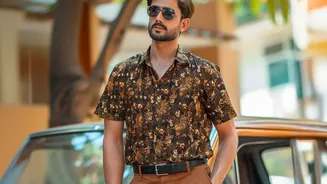
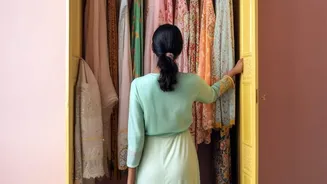
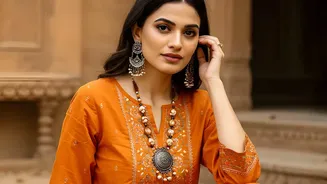
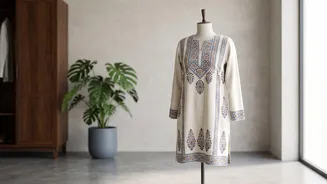
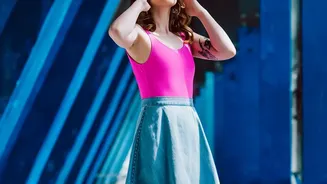
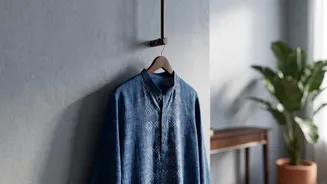
For many young shoppers in India, the primary appeal of thrifting is the promise of a unique identity. In a retail landscape dominated by identical items across fast-fashion outlets, thrift stores offer a curated selection of one-of-a-kind pieces. This
allows individuals to craft a personal style that breaks away from the mainstream. The process itself—the “treasure hunt” of sifting through digital or physical collections to unearth a rare jacket or a vintage dress—adds a layer of excitement and discovery to the shopping experience that mass-market retail often lacks.
The Instagram-Powered Marketplace
The heart of India's thrifting boom beats on social media, particularly Instagram. The platform has become a sprawling, digital marketplace where thousands of small, independent entrepreneurs run their own thrift stores. These digital curators meticulously style, photograph, and market their collections, often creating a dedicated community around their brand. Using features like timed “drops” to release new items, they generate buzz and a sense of urgency, transforming the hunt for secondhand clothes into a highly anticipated online event. Many of these stores are founded by young individuals themselves, offering everything from Korean-inspired fashion to vintage streetwear.
Fashion with a Conscience
Beyond aesthetics and affordability, a powerful driver of the thrifting movement is a growing environmental consciousness. The conventional fashion industry is one of the world's largest polluters, responsible for significant carbon emissions and textile waste. Thrifting presents a direct solution by promoting a circular economy, extending the lifecycle of garments and reducing the number of items that end up in landfills. For many young Indians, choosing pre-loved clothing is a deliberate act of sustainable consumption and a rejection of the exploitative labour practices often associated with fast fashion.
Overcoming Old Perceptions
Historically, wearing second-hand clothes in India often carried a stigma, associated more with financial hardship than with conscious choice. However, the current generation is actively dismantling this old mindset. The glamorization of thrifting by social media influencers and celebrities has played a significant role in normalising the practice. Furthermore, modern online thrift stores have built trust by placing a strong emphasis on hygiene and quality control, carefully inspecting and cleaning garments before they are sold to ensure they meet customer expectations.
Navigating the Pre-Loved World
While the culture is growing, the Indian thrift market is not without its challenges. The industry remains highly fragmented and largely unregulated. For shoppers, this can mean dealing with inconsistent sizing, a lack of standardized quality checks, and the risk of counterfeit goods. Unlike established retail, returns are often not possible, meaning buyers need to be certain about their choices. Success in the world of thrifting often depends on finding trusted sellers and knowing your measurements, as size labels can be unreliable across different brands and eras.