
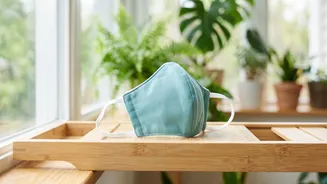

The False Sense of Security
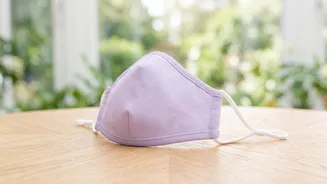
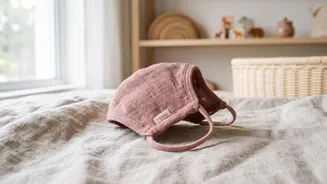
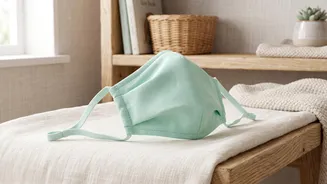
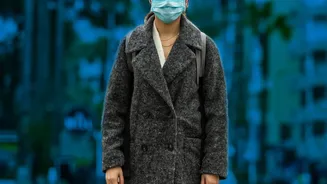
When pollution levels spike, seeing your child in a mask can be reassuring. However, not all masks are created equal. Standard cloth masks and the blue disposable surgical masks many of us have at home are largely ineffective against the most dangerous
component of air pollution: fine particulate matter, or PM2.5. These microscopic particles, less than 2.5 micrometers in diameter, can penetrate deep into the lungs and even enter the bloodstream, posing significant health risks, especially for developing bodies. Cloth and surgical masks are primarily designed to block large droplets from coughs and sneezes. Their fabric weave is too porous and the fit is too loose to stop tiny PM2.5 particles from being inhaled. Studies show that cloth masks may only filter between 10% to 30% of these harmful particles, offering a false sense of security when true protection is needed most.
Understanding True Filtration
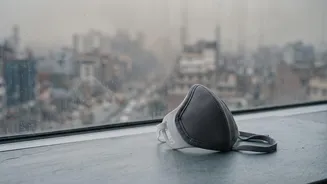
For a mask to be effective against pollution, it needs to do two things well: filter tiny particles and form a tight seal around the face. This is where certified respirators come in. Look for ratings like N95, KN95, or FFP2. An N95 respirator, for instance, is certified to filter at least 95% of airborne particles as small as 0.3 microns. The material used in these masks is a non-woven polymer with a static charge that traps particles, something a simple cotton mask cannot do. While these were once seen primarily in industrial or medical settings, they have become the recommended standard for public use during periods of high air pollution. Using a certified respirator is the difference between simply covering the face and actually cleaning the air your child breathes.
Why a Perfect Fit is Crucial for Kids
Even the highest-rated N95 mask is useless if it doesn't fit properly. If there are gaps around the nose, cheeks, or chin, polluted air will simply leak in, bypassing the filter entirely. This is the biggest challenge for children. Adult-sized masks will not create a proper seal on a child's smaller face. It is essential to seek out masks specifically designed and sized for children. When choosing a mask, look for features that allow for a customized fit. An adjustable nose clip is critical for creating a seal across the bridge of the nose and preventing air from escaping upwards—which also fogs up glasses. Adjustable ear loops or head straps will help ensure the mask is snug against the sides of the face and under the chin. Ask your child to talk or move their jaw; the mask should stay in place without creating large gaps.
A Parent's Checklist for Buying a Child's Mask
Navigating the market for children's masks can be confusing, especially when many products feature attractive cartoon characters but lack real protective qualities. Paediatricians advise prioritising protection over prints. First, look for the certification (N95, KN95, or FFP2) printed on the mask itself. Second, ensure you are buying a child-specific size. Third, check for an adjustable nose piece and soft, adjustable straps for a secure but comfortable fit. Finally, avoid masks with exhalation valves. While they can make breathing out feel easier, they do not filter exhaled air and can create a poor fit on small faces. Remember that a certified mask's purpose is to reduce exposure, not eliminate all risk. On days with 'severe' air quality, the best protection is to limit outdoor time as much as possible.