




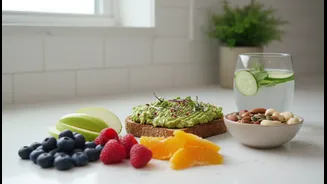




The Trap of Mindless Munching
Snacking is a common part of modern life, with many people grabbing a bite between meals for an energy boost or to satisfy a craving. However, these snacking occasions are often mindless. We eat while working, scrolling through our phones, or watching
TV. This distracted eating disconnects us from our body's natural hunger and fullness cues. When our brain is focused elsewhere, it doesn’t fully register the experience of eating. The result? We often eat more than we intend to without ever feeling truly satisfied. This can lead to a cycle of guilt and frustration, where treats become a source of stress rather than pleasure.
What Is Intentional Snacking?
Intentional snacking, often called mindful eating, is the practice of paying full attention to the experience of eating. It’s not about restriction or labelling foods as “good” or “bad.” Instead, it’s about eating with purpose and awareness. This means noticing the sensory details of your food—the taste, texture, and aroma—and being aware of how your body feels before, during, and after you eat. The goal is to move from a place of automatic, reactive eating to one of conscious choice. By doing so, you can better distinguish between physical hunger and emotional triggers like stress or boredom, which often lead to snacking.
Why Attention Amplifies Pleasure
When you give a treat your undivided attention, you allow your brain to fully process the sensory experience. This focus can trigger the release of dopamine, a neurotransmitter associated with pleasure and reward. Research suggests that eating mindfully leads to greater psychological well-being and increased pleasure from food. You start to appreciate the nuances of flavour and texture that are lost during distracted eating. Paradoxically, this heightened awareness often leads to feeling satisfied with a smaller amount. When you truly savour each bite, your brain gets the satisfaction signal sooner, helping to prevent overindulgence naturally and without feelings of deprivation.
How to Snack with Intention
Making the shift to intentional snacking doesn't require a complete overhaul of your life. It starts with small, simple changes. First, eliminate distractions. Step away from your desk or turn off the TV. Put your snack on a plate or in a bowl instead of eating directly from the package; this helps with portion awareness. Before you take the first bite, pause and take a few deep breaths to centre yourself. Then, engage all your senses. Notice the colours, smell the aroma, and think about the texture. Eat slowly, savouring each bite and checking in with your body’s hunger and fullness signals. You don't have to be perfectly mindful through the entire snack; even focusing on the first few bites can make a significant difference.
From Guilt to Gratitude
Adopting an intentional approach can fundamentally change your relationship with treats. It removes the guilt often associated with indulgence and replaces it with appreciation and enjoyment. By giving yourself permission to savour a treat without judgment, you transform it from a moment of weakness into a valid form of self-care and pleasure. This practice fosters a more balanced perspective, where snacks are no longer a forbidden temptation but a delightful part of life to be enjoyed in moderation. It’s about honouring your cravings in a way that nourishes both your body and your mind.