






The Rise of the Algorithmic Trainer
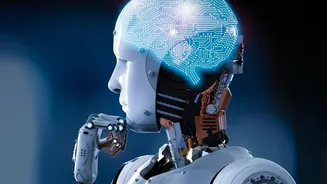
Just a few years ago, the idea of a personal trainer was a luxury. Now, for the cost of a monthly subscription, an AI coach promises to guide your fitness journey. This new wave of wellness technology has moved beyond simple step-counting. In 2026, AI-powered
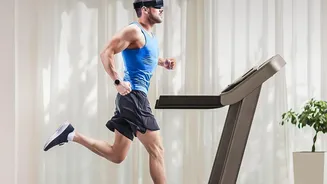
platforms are the first point of contact for many seeking guidance. They synthesize data from your wearables—tracking sleep quality, heart rate variability, and daily strain—to create workout plans that feel deeply personal. These apps can adjust your routine in real time, suggesting you push harder on high-energy days or focus on recovery when your body's data shows signs of fatigue. This data-driven approach offers a level of customisation that was once only available to elite athletes working with sports scientists.
The Promise: Personalisation, Access, and Affordability
The primary appeal of AI wellness coaching is clear: it’s convenient, affordable, and data-rich. While a human personal trainer can cost hundreds or even thousands of dollars a month, AI alternatives offer their services for less than the price of a single in-person session. This democratises access to structured fitness guidance. The AI coach is available 24/7, ready whenever you are, and can even adapt your workout on the fly if the gym equipment you planned to use is taken. For users, this means no more generic, one-size-fits-all programs. Instead, they get adaptive training that evolves as they get stronger and nudges them with reminders to build sustainable habits.
The Limits: Where AI Falls Short
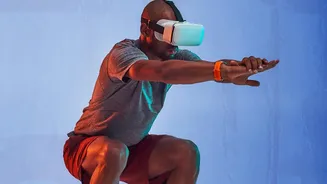
Despite the impressive capabilities, the limitations of AI are significant and should not be ignored. The most critical failing is the lack of physical presence and contextual understanding. An AI cannot see you move in real-time to correct poor form on a complex lift, a flaw that could lead to injury. While some advanced systems use cameras, they still lack the nuanced eye of an experienced human coach. Furthermore, AI operates on the data it's given. It won't know your knee is sore unless you tell it, and it can't read the non-verbal cues of fatigue or emotional distress. A human coach builds a relationship based on trust and empathy, offering a type of accountability that an automated reminder simply cannot replicate. As one user noted about AI, "It can be wrong, and confidently so."
The Human Element Remains Irreplaceable
The most effective human trainers provide more than just exercise programming. They offer motivation, emotional support, and the intuition to know when to push a client and when to back off. This is where the AI vs. human debate becomes most clear. Studies have shown that while AI can create a structured plan, training with a human coach can lead to greater increases in muscle size and strength. A skilled coach can interpret your goals, your history, and even your mood to create a truly bespoke experience that an algorithm, however smart, cannot match. They help you navigate the emotional highs and lows of a fitness journey, providing a layer of support that is fundamental to long-term success.
The Future is a Hybrid Model
The most forward-thinking approach in 2026 isn't choosing between AI and a human trainer, but blending the strengths of both. This hybrid model is now considered optimal by many fitness professionals. In this setup, the AI platform handles the daily data tracking, scheduling, and routine programming, providing consistency and data-driven insights. The human coach then uses this information, supplemented with periodic in-person or virtual check-ins, to focus on what they do best: correcting form, providing strategic oversight, and building a supportive, motivating relationship. This allows you to get the data-driven consistency of an AI with the essential, embodied expertise of a human where it matters most, creating a safer and more effective fitness journey.