

Why the Monsoon Sizzle?
For years, tourism in Assam was largely a seasonal affair, peaking in the cool, dry winter months. The monsoon, from June to September, was considered the off-season, a time of heavy rains, potential floods, and inaccessible roads. However, a shift is underway.
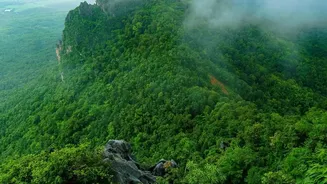
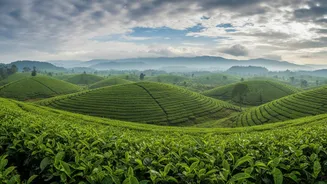
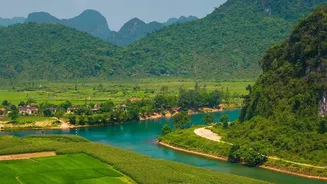
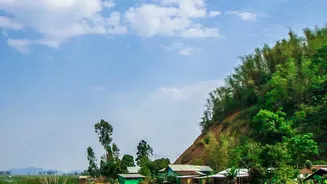
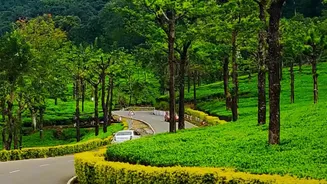
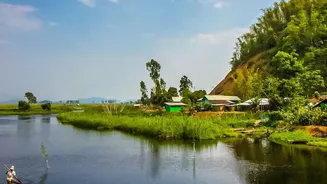
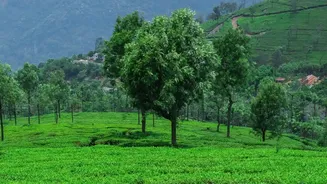
Travellers are increasingly drawn to the dramatic beauty that the rains bring. The landscape, washed clean, erupts into a vibrant emerald. Tea gardens become impossibly green, waterfalls cascade with renewed force, and a mystical mist clings to the hills, creating a dreamlike atmosphere. This season offers a quieter, more intimate experience, with fewer crowds and often lower prices, attracting those looking for an offbeat and tranquil getaway.
Haflong: The Misty Hill Retreat
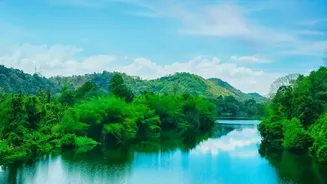
As Assam’s only recognised hill station, Haflong truly comes into its own during the monsoon. Often called the 'Switzerland of the East', its rolling hills and valleys are draped in clouds that drift like white rivers. The rain brings a refreshing coolness to the air, making it perfect for those looking to escape the heat of the plains. The iconic Haflong Lake, encircled by verdant hills, is a picture of serenity. For the adventurous, rain-fed trails offer thrilling treks through dense forests, leading to surprise waterfalls that appear almost overnight. It’s a perfect spot to simply unwind in a cottage, watching the rain paint the landscape from your window.
Majuli: The Rain-Washed River Island
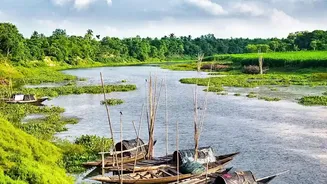
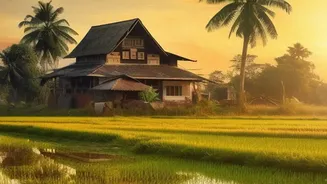
The world's largest river island, Majuli, offers a profoundly different but equally enchanting monsoon experience. While the swelling Brahmaputra River can make travel unpredictable, with potential ferry disruptions and some flooded areas, the island's beauty is undeniable. The rains breathe new life into its paddy fields, turning them into shimmering carpets of green. Life slows to a gentle rhythm, dictated by the rain. Visitors can explore the island's unique Vaishnavite monasteries, known as Satras, which feel even more mystical against the grey skies. Cycling on muddy village paths, sharing a cup of hot tea with locals, and watching riverboats navigate the misty waters create a soulful, immersive travel experience far from the usual tourist trail.
Exploring the Open Wilderness
While major national parks like Kaziranga and Manas are typically closed to visitors from June to October due to flooding and for wildlife protection, some areas remain accessible and offer unique monsoon adventures. Dibru-Saikhowa National Park, a biosphere reserve made of wetlands and grasslands, is open year-round and is a paradise for boat safaris during the monsoon. The overflowing rivers create a rich habitat for birdlife, making it a haven for birdwatchers. Similarly, Pobitora Wildlife Sanctuary, a short drive from Guwahati, offers stunning green landscapes and is known for its dense population of the one-horned rhinoceros. Though safari options might be limited, the sheer beauty of the rain-drenched wilderness is a powerful draw.
Practical Tips for Your Monsoon Trip
A monsoon trip to Assam is rewarding but requires some planning. Always check the latest weather forecasts and local advisories, as heavy rains can cause floods and landslides, particularly in low-lying and hilly areas. Pack waterproof jackets, quick-drying clothes, and sturdy, water-resistant footwear. Insect repellent is a must, especially in forested and wetland areas. While major routes are generally reliable, be prepared for potential travel delays and have a flexible itinerary. It's also wise to carry sufficient cash, as digital payments may not be available in more remote villages. Booking accommodations in advance, especially in popular spots like Haflong, is recommended.