



The New Creative Heartland
For decades, Indian fashion revolved around a few metropolitan centres. But now, a quiet revolution is underway in cities like Jaipur, Lucknow, Pune, and Ahmedabad. These emerging hubs are becoming crucibles of creativity, largely because they are closer
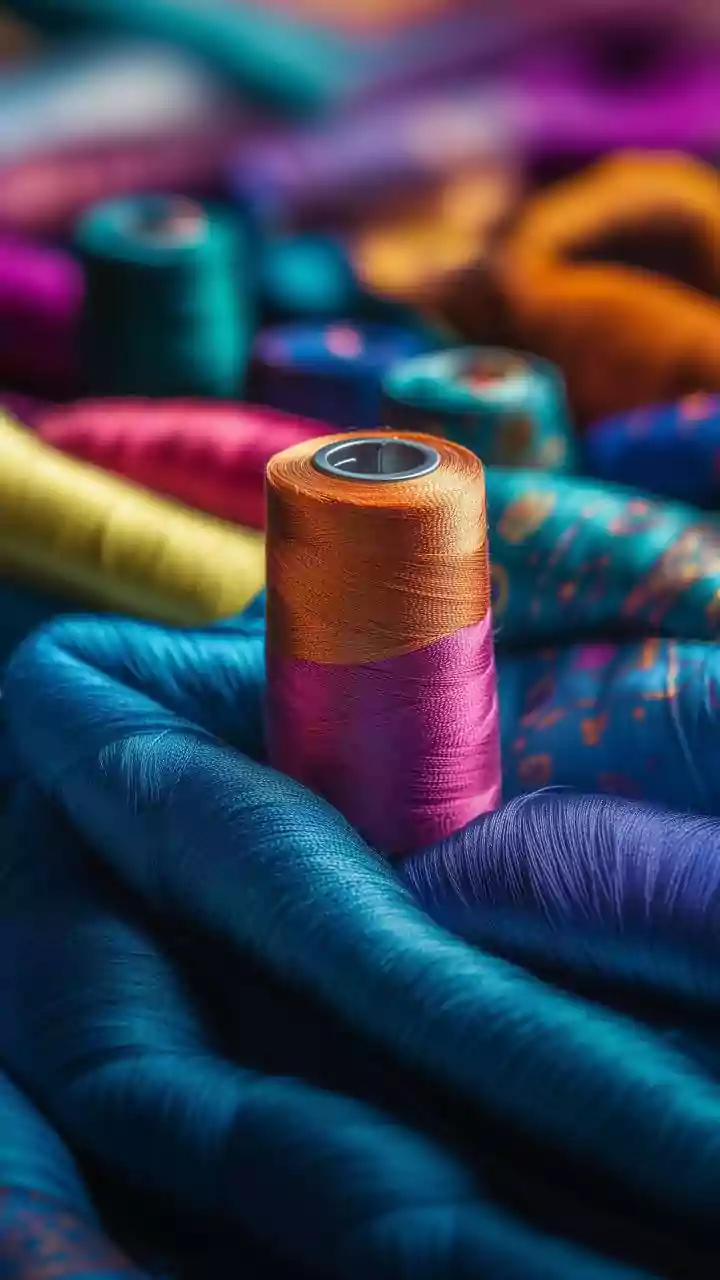
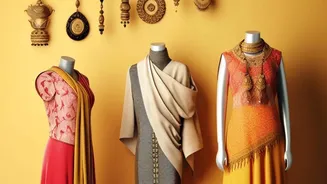
to the source: the artisan clusters where centuries-old textile traditions are kept alive. Designers in these cities have a unique advantage—direct collaboration with weavers and block-printers, which allows them to innovate at the grassroots level. This proximity fosters a deeper understanding of the craft and helps ensure that the artisans who have guarded these skills for generations are part of its future. The result is a fashion movement that is more authentic, sustainable, and deeply connected to its roots.
Jaipur: Block Prints Go Urban
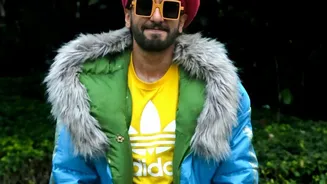
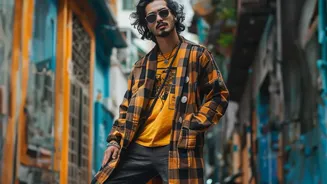
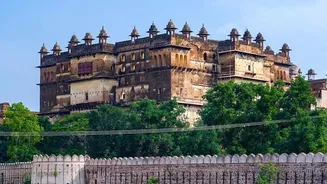
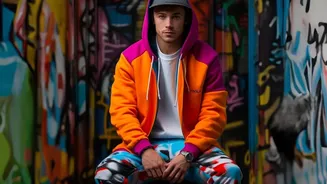
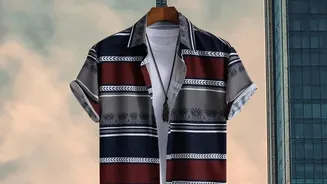
Jaipur, long celebrated for its magnificent palaces and vibrant crafts, is now a hotspot for this new design language. The city's famous hand-block printing techniques, like Sanganeri and Bagru, once reserved for traditional wear, are being radically reinterpreted. Designers are taking these intricate floral and geometric motifs and stamping them onto contemporary silhouettes. Think less kurta, more co-ord sets, bomber jackets, and relaxed-fit joggers. Brands are experimenting with modern colour palettes, moving beyond traditional vegetable dyes to include pastels and monochromes that appeal to a younger, global audience. This fusion transforms a heritage craft into something fresh and wearable for everyday city life, proving that ancient techniques can feel entirely current.
Lucknow: Chikankari on Denim
Similarly, in Lucknow, the delicate, whisper-light embroidery of Chikankari is breaking free from its conventional confines. Traditionally stitched on fine muslin or silk, this intricate needlework is now appearing on unexpected canvases like denim jackets, cotton shirts, and even casual dresses. Designers are collaborating with the city's artisans to create pieces that blend the timeless elegance of Chikankari with the rugged, practical feel of streetwear. This reinvention is not just a stylistic choice; it's a vital step in making the craft relevant to a new generation. By placing it in a modern context, these designers are introducing Chikankari to a global audience that values both artistry and everyday functionality.
More Than Just a Trend
This movement is about more than just aesthetics; it's a conscious shift towards a more sustainable and ethical fashion ecosystem. By working directly with artisan communities, designers in Tier 2 cities are helping to create stable livelihoods and ensure fair wages, cutting out the middlemen. This approach champions 'slow fashion', where the story behind the garment—the weaver's skill, the printer's touch—is as important as the final look. Consumers, especially younger ones, are increasingly drawn to this authenticity. They want to wear clothes with a story and a soul, pieces that reflect a pride in Indian craftsmanship. This has led to the rise of what some call 'neo-ethnic streetwear,' a category that celebrates cultural identity through a modern lens.