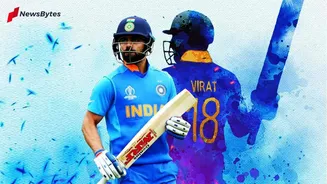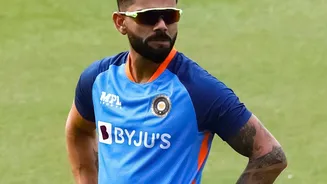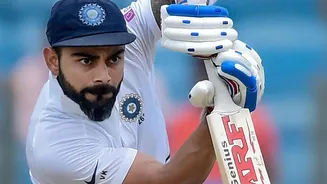


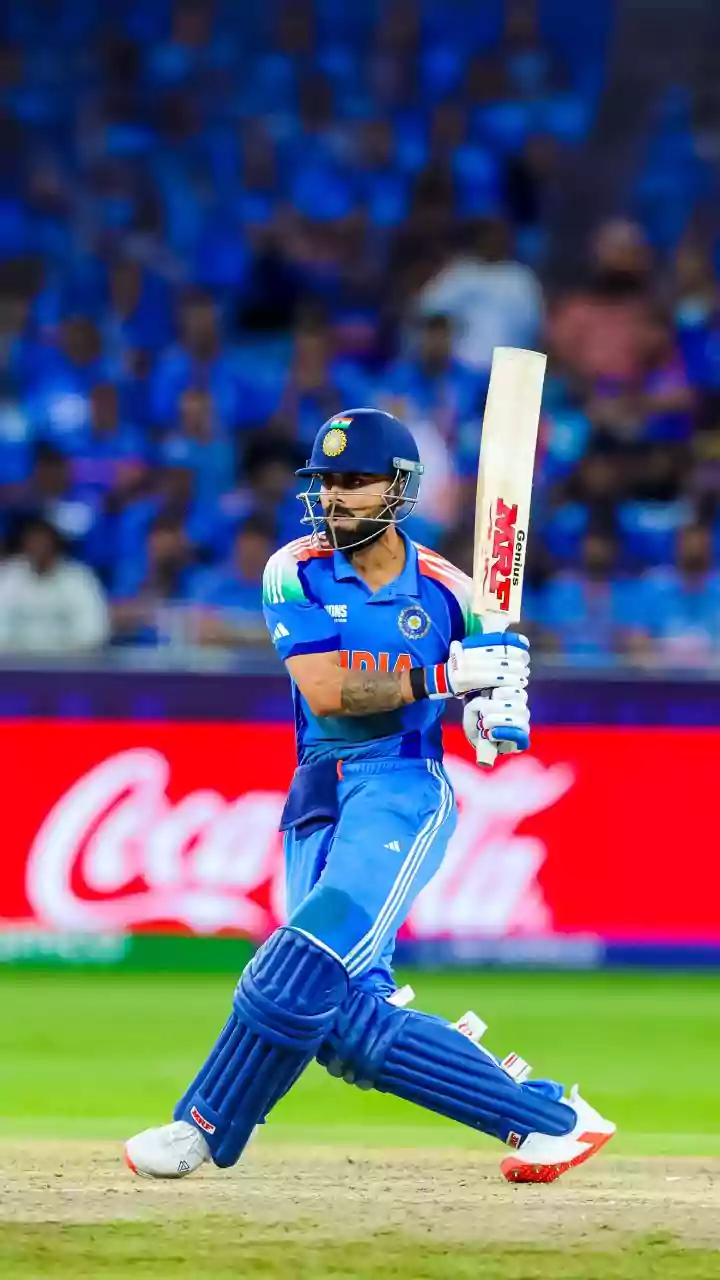
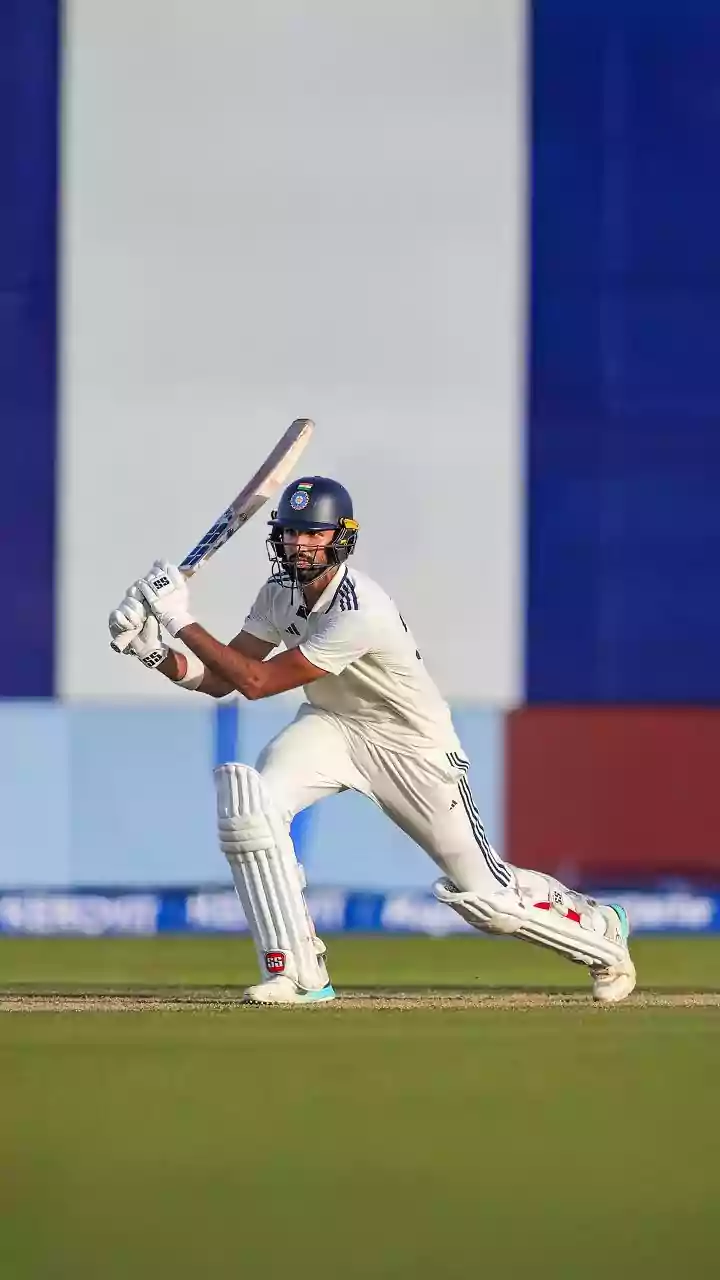
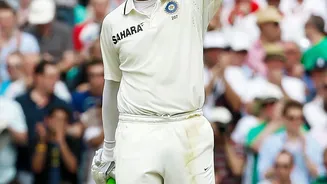
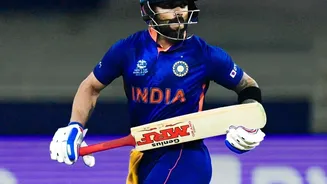
The Context: A King Without a Crown
For nearly three years, the cricketing world watched in disbelief as its most prolific run-scorer struggled. From late 2019 to the latter half of 2022, Virat Kohli endured a century drought that became a national talking point. His Test average, once
comfortably over 50, dipped significantly, and his trademark dominance waned. The pressure of captaincy, coupled with immense public expectation, seemed to take a mental toll. His dismissal often followed a pattern: a tentative push at a ball outside the off-stump. The slump was a jarring chapter in a stellar career, making his subsequent comeback even more remarkable.
The Technical Tune-Up
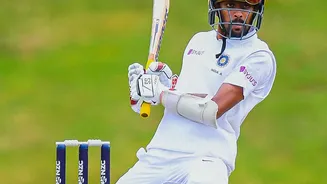
The foundation of Kohli 2.0 is a series of subtle but crucial technical adjustments. Analysts have pointed to a refined trigger movement. Previously, his initial movement sometimes took him too far across, making him a candidate for LBW and nicks behind. The new, more compact movement keeps his head steady and better aligned with the off-stump, allowing him to judge which balls to leave with greater certainty. He now waits for the ball to come to him rather than committing to the front foot prematurely. This change, reverting to a more 'textbook' foundation, has been pivotal in nullifying the away-swinging delivery that had become his Achilles' heel.
A Shift in Intent: Attack as the New Defence
The other defining feature of this new phase is a deliberate increase in aggression from the very start of his innings. Where the old Kohli would build an innings by soaking up pressure and rotating the strike, Kohli 2.0 looks to impose himself on bowlers immediately. Since late 2024, his strike rate in the first 15 balls of an ODI innings has seen a dramatic jump, a clear indicator of this change in approach. He is playing more attacking shots early and has become more willing to use the aerial route, not recklessly, but as a calculated tool to disrupt the bowler's length and alter field placements.
The Mental Reset: Playing with Joy Again
Perhaps the most significant change has not been with his bat, but in his mind. After stepping down from captaincy, Kohli has openly spoken about his mental struggles and the immense pressure he felt. He has credited coaches like Rahul Dravid and Vikram Rathour for helping him navigate this period, reminding him of his achievements and helping him rediscover his love for the game. This mental rejuvenation is visible in his on-field demeanour. The intense, often angry, competitor has been replaced by a calmer, more joyful player who seems to be savouring every moment. As Ravichandran Ashwin noted, Kohli appears to be batting with the freedom of his childhood, combined with the wisdom of his vast experience.