


The Birth of a Rebellion
The shag haircut is widely credited to hairstylist Paul McGregor, who crafted the look for Jane Fonda around 1969. Its popularity exploded after Fonda sported the chop in the 1971 film 'Klute', where she played the complex call girl Bree Daniels. For
Fonda, the haircut was a personal and political statement, a liberation from the long, blonde bombshell hair she was known for in the 60s. It was a rejection of a manufactured image and the beginning of a new, more activist-oriented persona. The cut, soon nicknamed 'The Klute', symbolised a cultural shift away from perfectly coiffed styles to something more authentic, unisex, and undone.
Anatomy of the Perfect Shag
So, what technically makes a shag a shag? It's all about the layers. A true shag features heavy, shorter layers on top and around the crown, which become progressively longer and thinner towards the ends. This technique creates a unique silhouette with abundant volume at the top and a wispy, 'shaggy' texture at the bottom. Stylists often use a razor to cut the layers, which helps create soft, feathered ends rather than blunt lines. The result is a style that looks effortlessly cool, with natural movement and a lived-in feel. It was designed to be a 'wash and go' style, perfect for the free-spirited energy of the decade.
The Role of Wispy Bangs
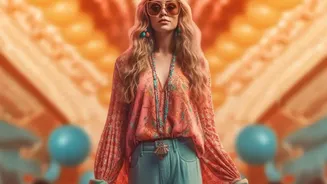
While a shag can be worn without a fringe, the addition of wispy bangs is what truly cemented its iconic 70s status. Unlike the heavy, blunt bangs of the 60s, these were soft, often parted, and see-through. This fringe framed the face beautifully, softening the otherwise edgy and heavily layered cut. The combination of a textured crown and delicate bangs made the style versatile. It could look tough and rebellious on rockstars like Joan Jett and Stevie Nicks, or softer and more approachable on actresses like Florence Henderson. This adaptability allowed the shag with wispy bangs to transcend subcultures and become a mainstream phenomenon.
From Rockstars to The Big Screen
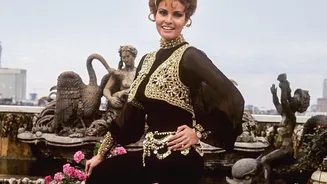
The shag was the unofficial haircut of 1970s rock and roll. It was famously worn by male artists like David Bowie, Mick Jagger, and Rod Stewart, cementing its androgynous appeal. On the women's side, rock icons like Joan Jett, Stevie Nicks, and Chrissie Hynde of the Pretenders made the shag their signature, pairing it with a rebellious attitude. But it wasn't just for rockstars. The style was hugely popular in Hollywood. While often associated with the shag, Farrah Fawcett's famous haircut was more of a heavily layered and feathered style, but it shared the same spirit of volume and movement. The true shag, however, could be seen on a wide range of stars, proving its immense popularity.
The Shag's Modern Revival
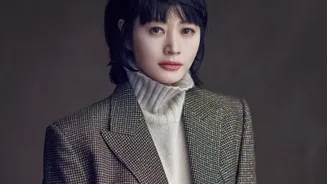
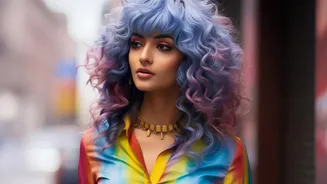
Like all great trends, the shag has made a major comeback. Today's version is often softer and more tailored to individual hair types and face shapes. While the classic 70s shag was intentionally choppy, modern interpretations often feature more blended layers for a subtler, more wearable look. Celebrities have embraced variations like the 'wolf cut', a hybrid of the shag and the mullet with more dramatic, disconnected layers. However, the core principles remain: volume, texture, and an effortlessly cool vibe. It works on straight, wavy, and curly hair, and can be adapted for any length, from a short bob to long, flowing locks.
Getting the Look Today
If you're considering a shag, communication with your stylist is key. Bring reference photos to show the exact level of layering and texture you want. Ask for layers that are shorter around the crown and longer through the ends, with a face-framing fringe. For the authentic 70s feel, specify wispy or curtain bangs. The modern shag is remarkably low-maintenance, as it's designed to embrace your hair's natural texture. A bit of texturizing spray or styling paste can help define the layers and enhance that perfectly undone look. The beauty of the modern shag is its versatility, allowing for a personalized cut that feels both nostalgic and completely current.