


A Priceless, Perilous Underwater World
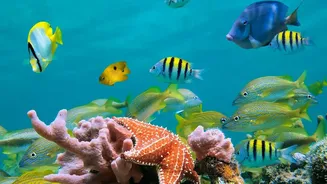
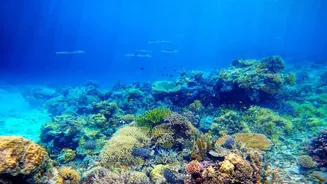
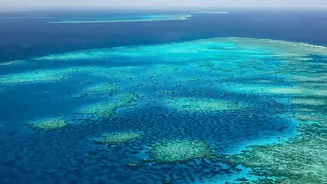
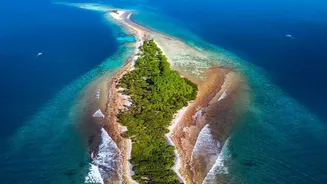
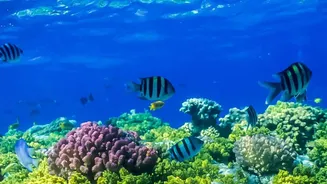
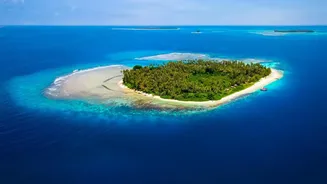
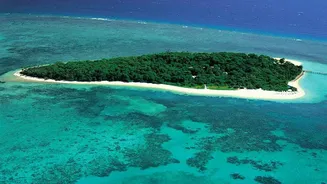
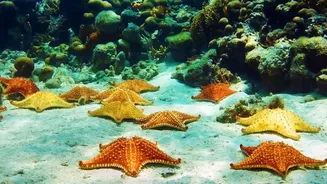
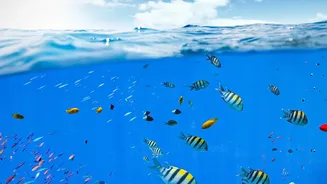
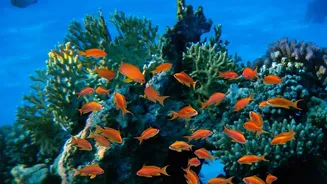
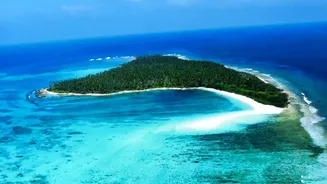
The Lakshadweep archipelago is India’s only coral atoll formation, a cluster of 36 islands boasting some of the most diverse marine life in the Indian Ocean. These reefs are not just beautiful; they are the bedrock of the islands' existence, protecting
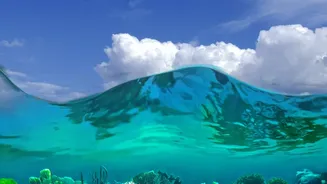
them from storm surges and providing livelihoods for the local community. However, they are incredibly fragile. Global threats like climate change, which causes rising sea temperatures and devastating coral bleaching events, pose a massive risk. Local pressures from pollution, fishing, and tourism can accelerate this damage, threatening the very survival of the reefs.
A 'Low Volume, High Value' Fortress
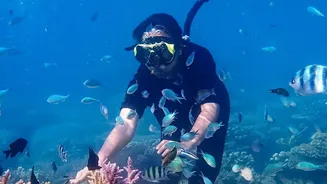
Recognizing this fragility, the Lakshadweep administration has long embraced a policy of 'low volume, high value' tourism. Unlike many tourist hotspots, visiting Lakshadweep requires a special permit, a system designed to control the number of people on the islands at any given time. This strategy directly limits the physical pressure on the reefs. Fewer people mean less accidental damage from snorkeling and diving, reduced water consumption, and a smaller overall carbon footprint. By preventing mass tourism, the regulations ensure that the islands’ carrying capacity is not overwhelmed, giving the ecosystem vital breathing room.
The War on Waste
One of the most significant local threats to any marine ecosystem is pollution, particularly plastics. To combat this, Lakshadweep has implemented a complete ban on single-use plastics. Visitors are encouraged to bring reusable items, a small step that has a significant impact on reducing litter on beaches and in the pristine lagoons. However, studies show that waste management remains a critical challenge, with public littering from tourism and fishing activities being major sources of pollution. Efforts are being made to improve waste segregation and transport non-degradable waste to the mainland for recycling, but experts stress the need for more robust infrastructure to handle the load, especially as tourism grows.
From Policy to Practice
The benefits of these regulations are tangible. Controlled tourism and waste reduction measures directly decrease the amount of pollutants and marine debris entering the water. This is crucial because litter, especially plastic, can physically smother and break corals, while chemical pollutants disrupt their growth and reproduction. Furthermore, a successful pilot program has turned a major waste issue—fish waste—into a valuable resource. An initiative by ICAR-KVK has trained local groups to process fish waste into agricultural supplements, reducing beach dumping and strengthening the local circular economy. These efforts, combined with promoting community-led conservation, help create a healthier environment where corals are more resilient to larger threats like climate change.
A Model with Challenges
Lakshadweep’s approach serves as a powerful model for sustainable development in fragile ecosystems. By prioritizing conservation and integrating the local community, the regulations aim to create a balance where both nature and people can thrive. However, the fight is far from over. A 24-year study highlighted a nearly 50% decline in live coral cover between 1998 and 2022 due to repeated mass bleaching events, showing that local protections alone cannot stop global warming. The National Green Tribunal (NGT) continues to monitor development projects to ensure they comply with environmental safeguards. The success of Lakshadweep's conservation story depends on continuously strengthening these local regulations while advocating for global climate action.