




From Tradition to Trend
Walk into a chic cafe in Delhi or Mumbai, and you might find a startlingly familiar, deep purple beverage listed next to kombucha and kefir. This is Kanji, a traditional North Indian fermented drink, and its presence signifies a delicious shift in urban
tastes. For generations, drinks like Kanji, made from fermenting black carrots, mustard seeds, and water, were household staples, especially during winter and the Holi festival. Now, they are being rediscovered by a new generation, not in clay pots at home, but in stylish glass bottles at their favourite neighbourhood spots. This revival isn't just about nostalgia; it’s a confluence of the global wellness movement, a renewed interest in local ingredients, and the ingenuity of chefs and entrepreneurs. One restaurant brand, for instance, has even introduced Kanji across its outlets in Delhi NCR, branding it as a contemporary answer to everyday gut wellness.
A Sip of History
Fermentation has been a cornerstone of Indian culinary tradition for centuries, used for preservation, enhancing flavour, and for its health benefits. Ancient texts even mention dairy ferments like Lassi. Kanji, with its roots in North India, is a prime example of this age-old wisdom. Traditionally prepared in states like Punjab, Uttar Pradesh, and Rajasthan, it was valued for its digestive properties and ability to boost immunity. The process is simple yet magical: black carrots (or beets), mustard seeds, salt, and water are left to ferment in the sun for several days. The mustard seeds not only add a characteristic pungent kick but also contain antimicrobial compounds that protect the brew from harmful bacteria during fermentation. This ancient science created a drink teeming with naturally occurring good bacteria.
The Gut Health Revolution
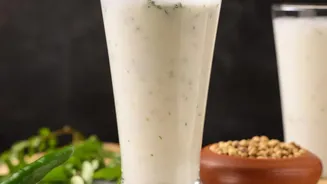
The resurgence of these drinks is perfectly timed with the global explosion of interest in gut health. The Indian probiotics market is experiencing massive growth, projected to reach a value of US$ 10 billion by 2033 as consumers seek out functional foods to boost immunity and digestive wellness. Words like 'probiotic' and 'microbiome' have entered mainstream conversation. Probiotics are live microorganisms that offer health benefits when consumed, and fermented foods are a primary source. Traditional Indian drinks like Kanji and Chaas (savory buttermilk) are natural, food-based probiotics. Experts suggest that a single glass of homemade Kanji can contain a comparable amount of beneficial bacteria to many expensive supplements, with the added benefit of being in a more bioavailable, food-based form.
Modern Twists on Ancient Brews
Cafes and restaurants aren't just serving these drinks in their original form; they are 'modernising' them to appeal to contemporary palates. This means new flavour infusions, innovative presentations, and even use in craft cocktails. Mixologists are drawing inspiration from India’s rich pantry of spices and herbs to create unique concoctions. Imagine a classic gin cocktail infused with cardamom and ginger, or a vodka drink balanced with the sweet and tangy notes of tamarind chutney. In the non-alcoholic space, new variants of Kanji are emerging, such as those featuring amla for a Vitamin C boost or turmeric for its anti-inflammatory properties. This creative reinterpretation makes these traditional beverages feel fresh and exciting, bridging the gap between centuries-old heritage and the tastes of today.
Reclaiming Culinary Identity
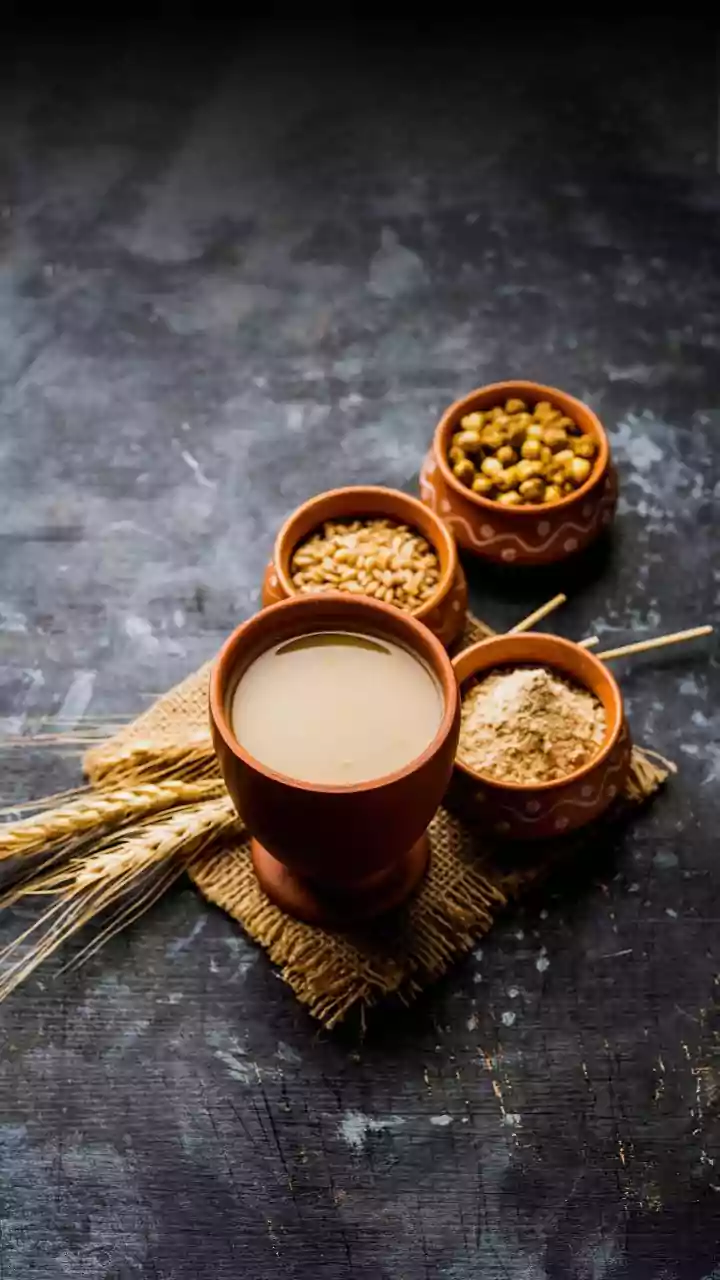
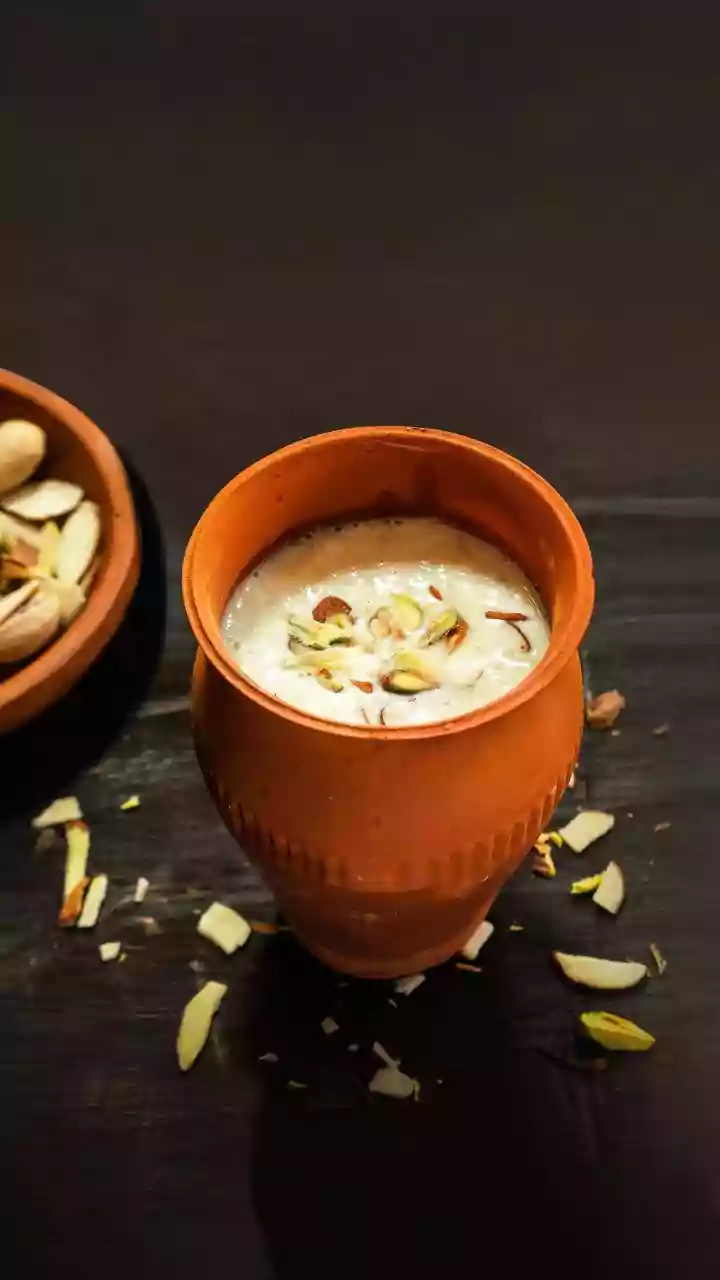
This trend is more than just a health fad; it represents a deeper cultural shift. For years, Western concepts dominated cafe menus. The return of drinks like Kanji, Chaas, and Thandai signals a growing confidence and pride in India's own culinary heritage. It’s a move towards embracing local, seasonal ingredients and celebrating the wisdom passed down through generations. By choosing a glass of tangy, earthy Kanji over an imported fizzy drink, consumers are making a statement. They are reconnecting with their roots and supporting a food system that is sustainable and rooted in Indian soil. This movement is about decolonizing the palate and finding immense value—in terms of both health and flavour—in the foods and drinks that are authentically ours.