

A Sweet Steeped in Divinity
To understand the Mathura Peda is to understand its deep connection to Lord Krishna. The Braj region, encompassing Mathura and its surroundings, is the landscape of Krishna's childhood, a land synonymous with cattle and dairy. Stories of Krishna's love
for milk and butter are woven into the local culture. It's fitting, then, that this milk-based sweet became the city's signature offering. The peda is not just a confection; it is 'prasad', a sacred offering made in temples and then shared among devotees. This elevates it from a simple sweet to a symbol of divine grace, particularly during festivals like Janmashtami, which celebrates Krishna's birth. A popular tale even suggests the peda was born when Krishna's mother, Yashoda, accidentally over-cooked milk, creating a caramelized solid that her son adored.
The Art of a Perfect Peda
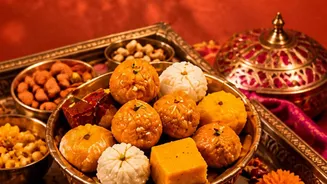
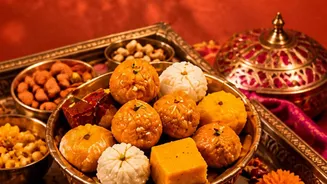
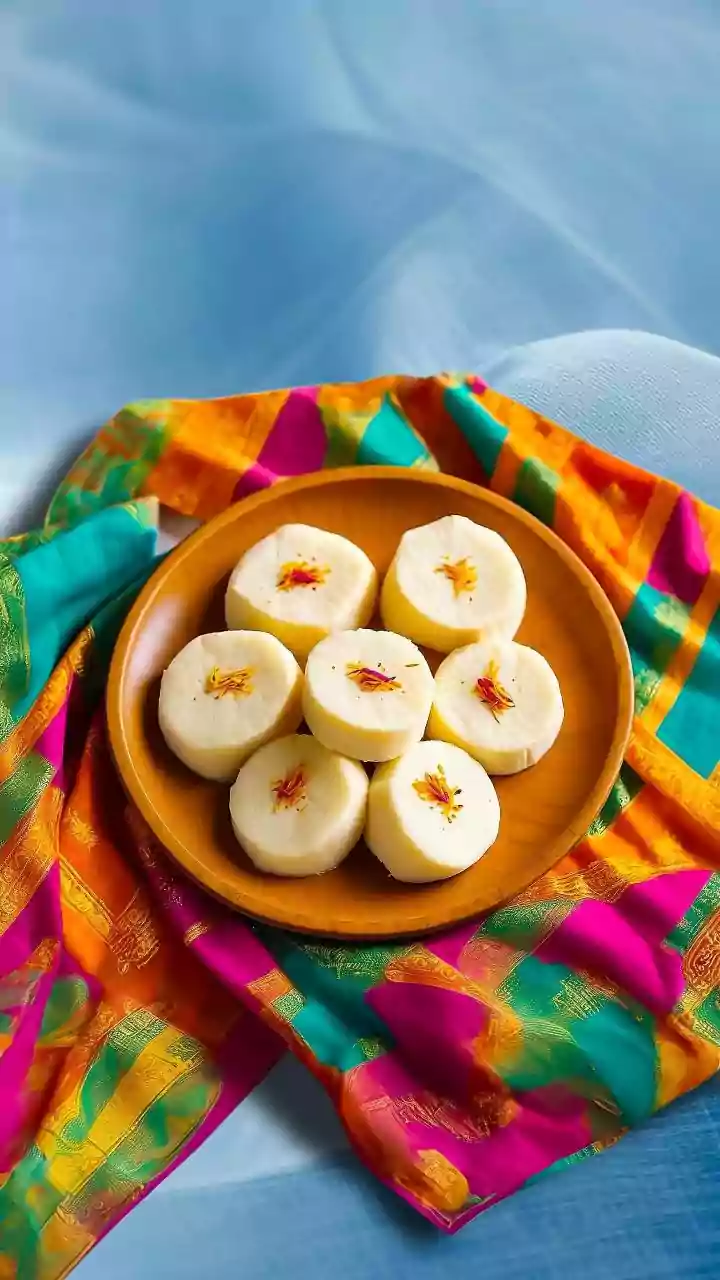
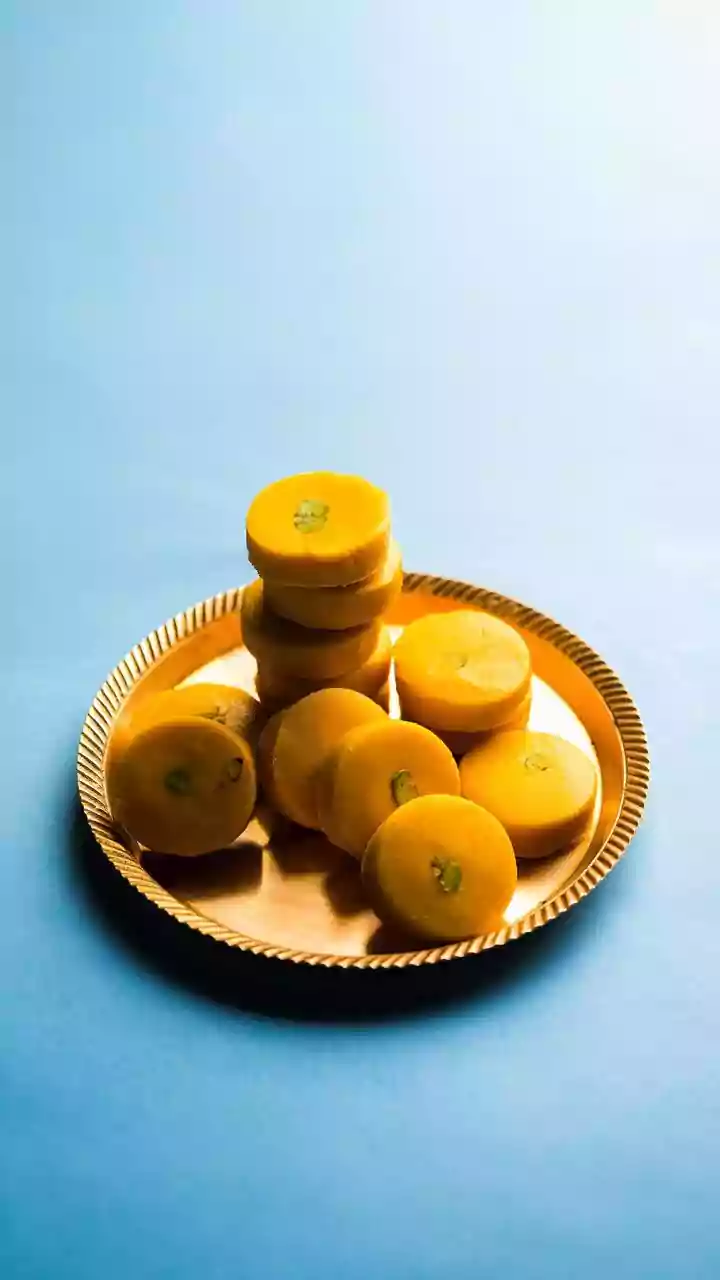
What sets the Mathura Peda apart from countless other Indian milk sweets is its unique preparation and resulting texture. The process is a labour of love, requiring patience and skill. It all begins with khoya, or mawa—milk that has been slowly simmered for hours until the liquid evaporates, leaving behind rich milk solids. While many pedas are pale and soft, the Mathura style involves roasting this khoya, often with ghee, until the milk sugars caramelize. This slow roasting process is crucial, giving the peda its signature tan or golden-brown colour, a slightly grainy yet melt-in-the-mouth texture, and a deep, caramel-like flavour that is unlike fresh cream. The roasted khoya is then mixed with sugar, traditionally a special kind called 'tagar' or 'boora', and flavoured with cardamom before being shaped by hand.
More Than a Souvenir
For the millions of pilgrims and tourists who visit Mathura, a box of pedas is an essential takeaway. The sweet's fame is so widespread that the term 'Mathura ka Peda' has become a brand in itself, a phrase embedded in folk songs and proverbs that signifies unparalleled quality. This popularity has turned the peda into a significant economic driver for the region, supporting thousands of artisans and their families. However, this fame has a downside: the market is flooded with imitations. The authentic peda's distinctive taste comes from high-quality milk and the meticulous slow-roasting method, something industrial production often fails to replicate.
The Quest for Recognition
In recognition of its cultural and economic importance, efforts have been underway to secure a Geographical Indication (GI) tag for the Mathura Peda. A GI tag is a form of legal protection that certifies a product's origin and authentic production methods, safeguarding it from adulteration and imitation. The Mithai Association Mathura filed an application for the tag, a process that has been in the works for several years. While other local products from Mathura, like the Sanjhi craft, have received this certification, the peda's application was still noted as being in progress as of mid-2026. This official recognition would not only protect the legacy of genuine peda makers but also assure consumers they are buying an authentic piece of Mathura's heritage.