

The New Golden Rule: Intra-Group Variety
For years, the advice has been to eat from all major food groups. While that remains true, the 2026 UN findings emphasize that variety inside each group is just as important for robust health. The core idea, supported by the WHO and FAO, is that no single
food provides all the nutrients we need. Different foods, even within the same family like vegetables or grains, have unique profiles of vitamins, minerals, and beneficial plant compounds. Sticking to the same few 'healthy' foods means you could be missing out on essential micronutrients, which is a significant issue in India. A diverse diet is linked to a healthier gut microbiome, a lower risk of chronic diseases, and even a longer life. The new guidance encourages us to think beyond staples and embrace a wider palette of options.
Beyond Aloo and Gobi: A Rainbow of Vegetables
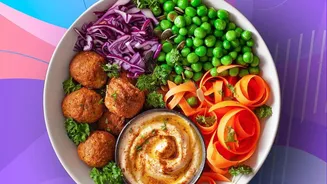
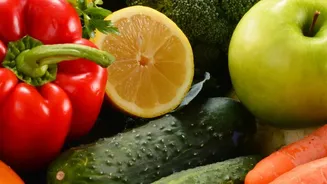
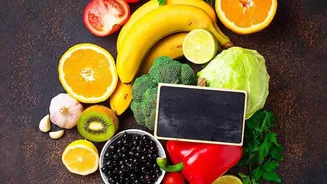
It's easy to fall into a routine of cooking the same few vegetables. The UN report urges a more colourful approach. Different colours in vegetables signify different phytonutrients. For example, the beta-carotene in orange foods like carrots supports vision, while the chlorophyll in green leafy vegetables is packed with antioxidants. Instead of just rotating between potato, cauliflower, and onion, try incorporating a wider range. Add red and yellow bell peppers for Vitamin C, purple brinjal for its antioxidants, and leafy greens like spinach (palak) and fenugreek (methi), especially during winter when they are at their peak. Even simple swaps, like adding cucumber and tomatoes to your meals, can boost your intake of different nutrients and fibre. The goal isn't to eliminate favourites but to expand your repertoire.
Rethink Your Grains and Dals
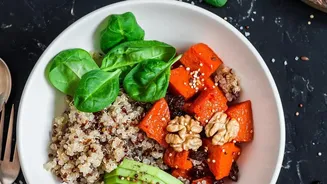
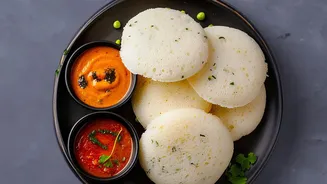
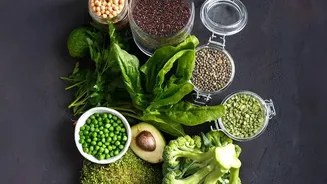
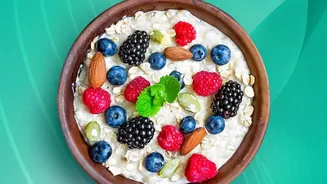
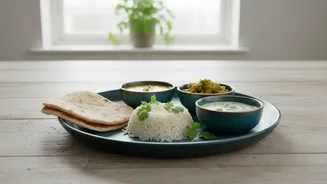
Most Indian meals are built around a foundation of rice or wheat, and a few common dals like toor or moong. While these are excellent staples, diversifying them can significantly enhance your diet's nutritional profile. The guidelines encourage incorporating whole grains like unprocessed maize, millets (like jowar, bajra, and ragi), oats, and brown rice. These are richer in fibre and nutrients than their refined counterparts. Try swapping white rice for brown rice a few times a week, or making rotis from millet flour. Similarly, explore the vast world of Indian pulses. Add chickpeas (chana), kidney beans (rajma), and black-eyed peas (lobia) to your weekly menu. Each offers a different mix of protein, fibre, and minerals, contributing to a more balanced and complete diet.
Embrace India's Fruit Seasons
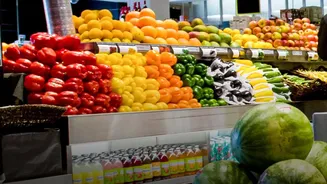
Thanks to India's diverse climate, a bounty of different fruits is available throughout the year. Eating seasonally ensures you get the freshest, tastiest, and most nutrient-dense produce. While staples like bananas and papayas are available year-round, make a conscious effort to enjoy seasonal specialities. Relish juicy mangoes and watermelons in the summer to stay hydrated. Enjoy jamun and pomegranate during the monsoon, and citrus fruits like oranges and sweet lime (mosambi) in the winter to boost your immunity. Eating a variety of fruits helps ensure you get a broad spectrum of vitamins and antioxidants. Even frozen or canned fruits are good options, provided they don't have added sugars.
Diversifying Protein and Dairy
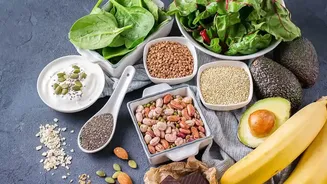
Variety is also key when it comes to protein. If you are a non-vegetarian, try to rotate between poultry, fish, eggs, and lean red meat. Fatty fish, for example, is a great source of omega-3 fatty acids, while red meat provides highly absorbable iron. For vegetarians, the options are plentiful. Beyond paneer and dals, incorporate nuts, seeds, tofu, and a variety of dairy products like yoghurt and curd. Yoghurt is fantastic for gut health, while nuts and seeds provide healthy fats and micronutrients. The principle remains the same: by mixing your sources, you create a more resilient and nutritionally complete diet that supports your long-term health.